






Royston Tan’s latest would make a strong double-bill with Kiarostami’s ’24 Frames’—a provocative and clever meditation on the ephemerality of mortal existence as captured through the meta-fictivity of his cinema.
Continue reading →


Royston Tan’s latest would make a strong double-bill with Kiarostami’s ’24 Frames’—a provocative and clever meditation on the ephemerality of mortal existence as captured through the meta-fictivity of his cinema.

Kawase’s naturalistic and graceful filmmaking is there for all to see, but she doesn’t quite pull off successfully an oddly-structured work about the sometimes fateful circumstances surrounding mothers and babies.

A man descends into madness when he suspects his wife is cheating on him in Chabrol’s decent exercise in the distortion of psychological realities.

While the storytelling sometimes struggles to convince, the technical prowess of Lou Ye’s team in capturing the extraordinary performances and putting together one mesmerizing and sensual image after another is deserving of praise.

Clara Law deconstructs the meaning of home and family in this sometimes overly-dramatic take on the psychological and emotional tolls of being an immigrated Chinese in a foreign land.

An extraordinary work of hard-hitting social realism that recalls the Dardennes’ ‘Rosetta’ and Mungiu’s ‘4 Months, 3 Weeks and 2 Days’, set in the harsh wintry conditions of Moscow as a young Kyrgyz woman abandons her baby to find work to pay off insurmountable debts.

A meta-comedy that is conscious about its fun-ness, though not all of the gags hit the sweet spot in this final installment of Edgar Wright’s ‘Cornetto’ trilogy.

Nightmares don’t get any more intense and slicker than in Edgar Wright’s latest genre-mashing effort—a fun, psychological thriller about a young woman who discovers that she can time-travel through her dreams.
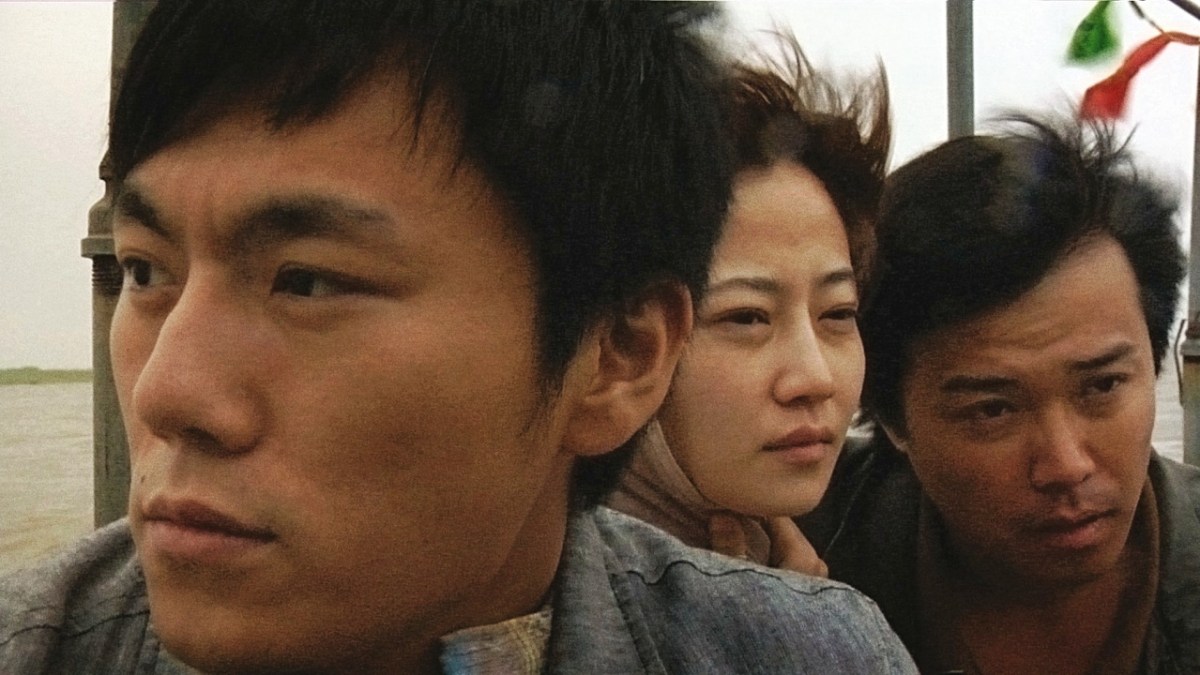
Clandestine affairs and the desire for sexual connection mark Lou Ye’s naturalistic, if at times, meandering take on the taboos of the conservative Chinese society.
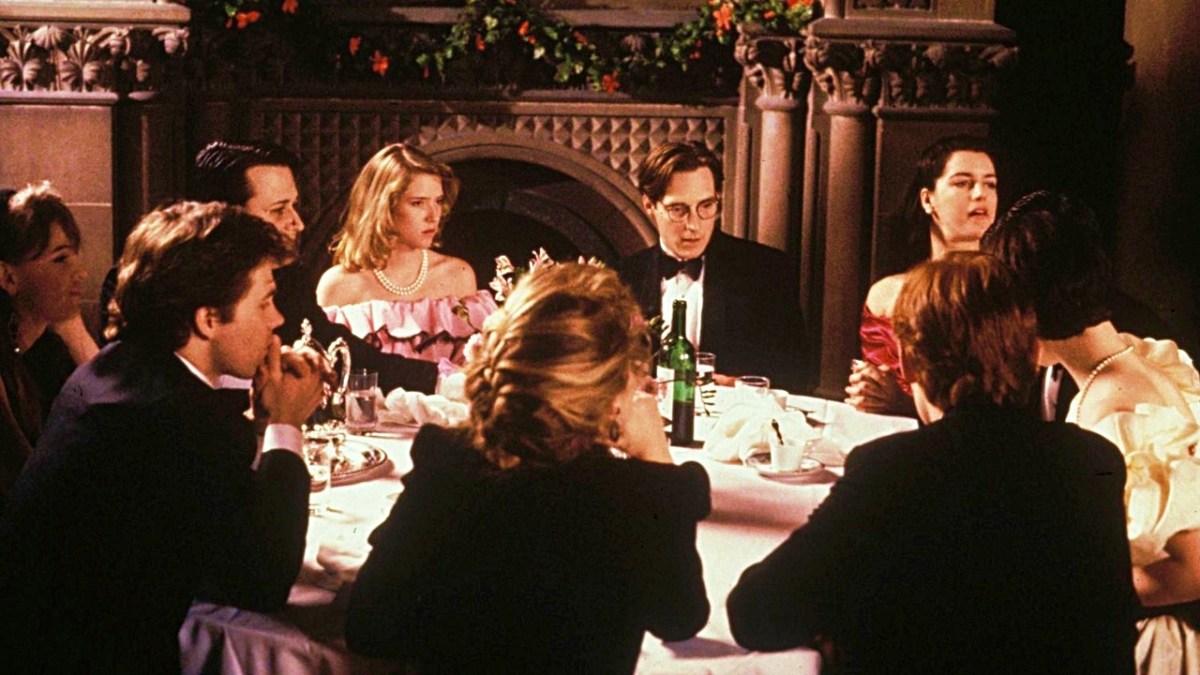
Stillman’s accomplished comedy (his debut feature) tackles a particular class milieu in America—what the young, well-to-do Manhattanites deem as ‘urban haute bourgeoisie’—with a wry and sardonic tone that is uniquely his.
 Eternality Tan