








Pixar matures considerably with this delightful offering, despite an unimposing villain and a climax that feels too rushed.
Continue reading →


Pixar matures considerably with this delightful offering, despite an unimposing villain and a climax that feels too rushed.
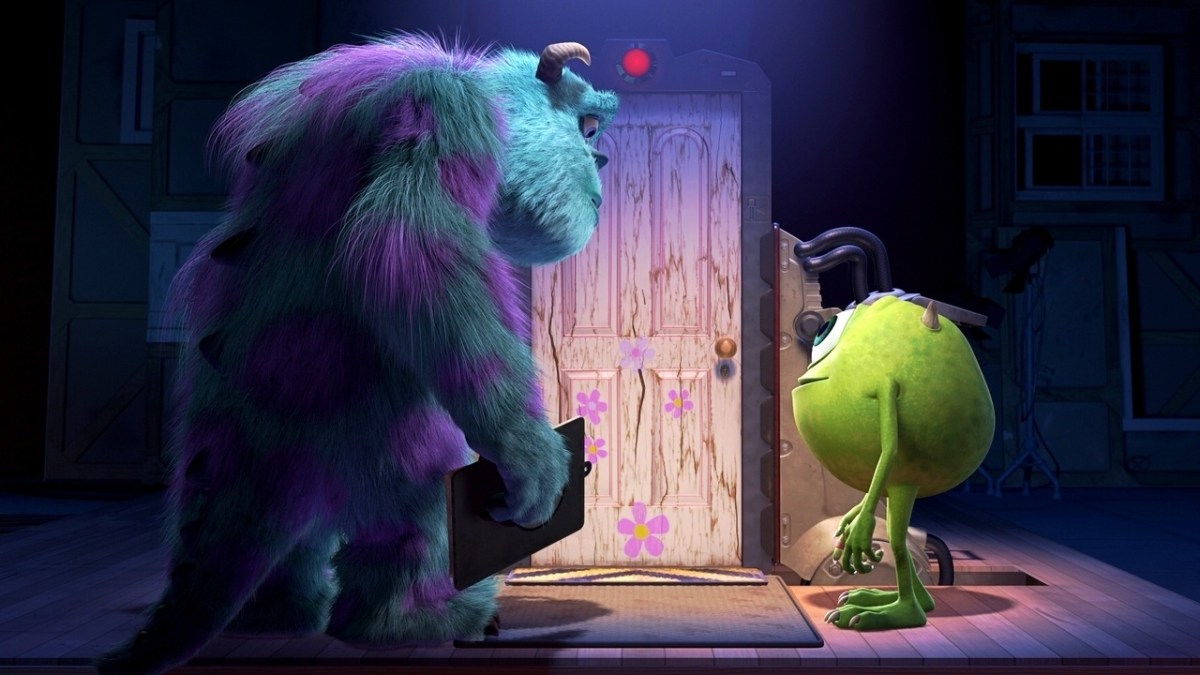
One of Pixar’s best efforts, and still one of their most conceptually imaginative pictures to date.

An old feisty street seller and his poor family fight for their right to make a living as local authorities demand their relocation in this engrossing, and at times, hilarious documentary filmed in pre-COVID Wuhan.

There are richly-realised characters and performances in this layered drama about depression, centering on a family who can’t seem to communicate with each other, but it doesn’t quite come together in a resonating way by its denouement.
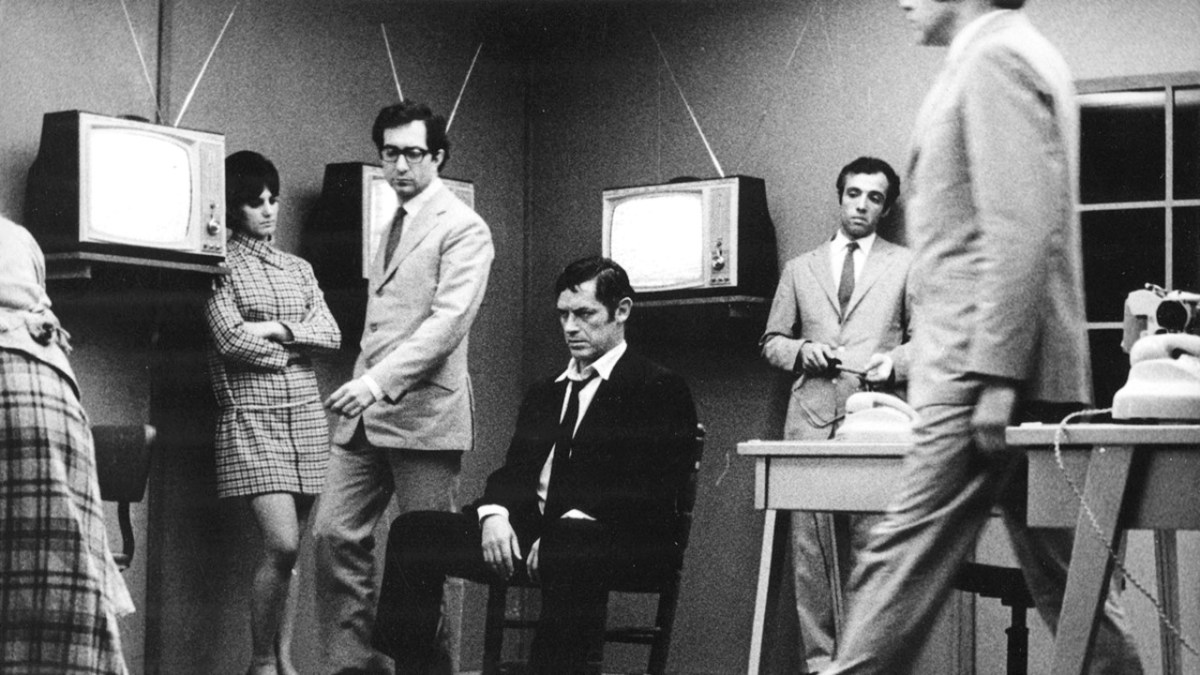
This rarely-seen Argentinian feature debut by Hugo Santiago is an unclassifiable eye-opener—a political ‘sci-fi’ piece with cool Melville crime-thriller vibes.

Godard’s anarchic work of gleeful nihilism is not just a challenging treatise on the corruption and destruction of bourgeois values, but one of his most essential films about the end of civility and civilisation.

The plot may involve repetition, but the dramatic power of its execution sees Zhang return close to the form of his early 1990s works.

A decades-spanning Brazilian melodrama about two sisters separated from each other—while it’s lushly-filmed and features strong performances, its repetitive nature and an underwhelming finale stop it from being a memorable film.

A surprisingly uneven film with a lack of character and historical focus on 1937 Nanking.

From theatre to screen, this Italian tale of five sisters is emotionally vacant in its treatment of grief over time.
 Eternality Tan