



One of the greatest war movies ever made, Spielberg’s visceral and immersive approach and the film’s strong technical prowess continue to amaze more than two decades on.
Continue reading →


One of the greatest war movies ever made, Spielberg’s visceral and immersive approach and the film’s strong technical prowess continue to amaze more than two decades on.

Oshima confidently mixes eroticism with the supernatural in this beautifully-shot murder-cum-ghost tale that is rich in old-world atmosphere.

Don’t think too much—this is Spielberg channeling his geeky gamer self, and darn, it is enjoyable.

This Berlinale Silver Bear-winning feature debut is as compelling as it gets, about a young Tunisian man forced to make very difficult decisions for the first time in his uneventful life.

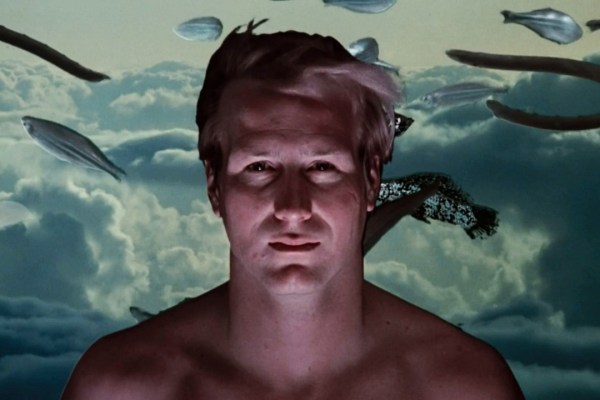
Spectral, hallucinatory images abound as Lynch boldly and abstractly experiments with digital video in what could be his most nightmarish and impenetrable odyssey into the dark recesses of the mind since 1977’s Eraserhead.

Spielberg’s journalistic procedural is a masterclass in supple filmmaking that is equally at ease portraying nuance as well as galvanising action.

Shot like a stage play on a minimalist set, Rohmer’s experiment with narration and storytelling about a man who dreams of becoming one of King Arthur’s knights is interesting but may be a tad too long.
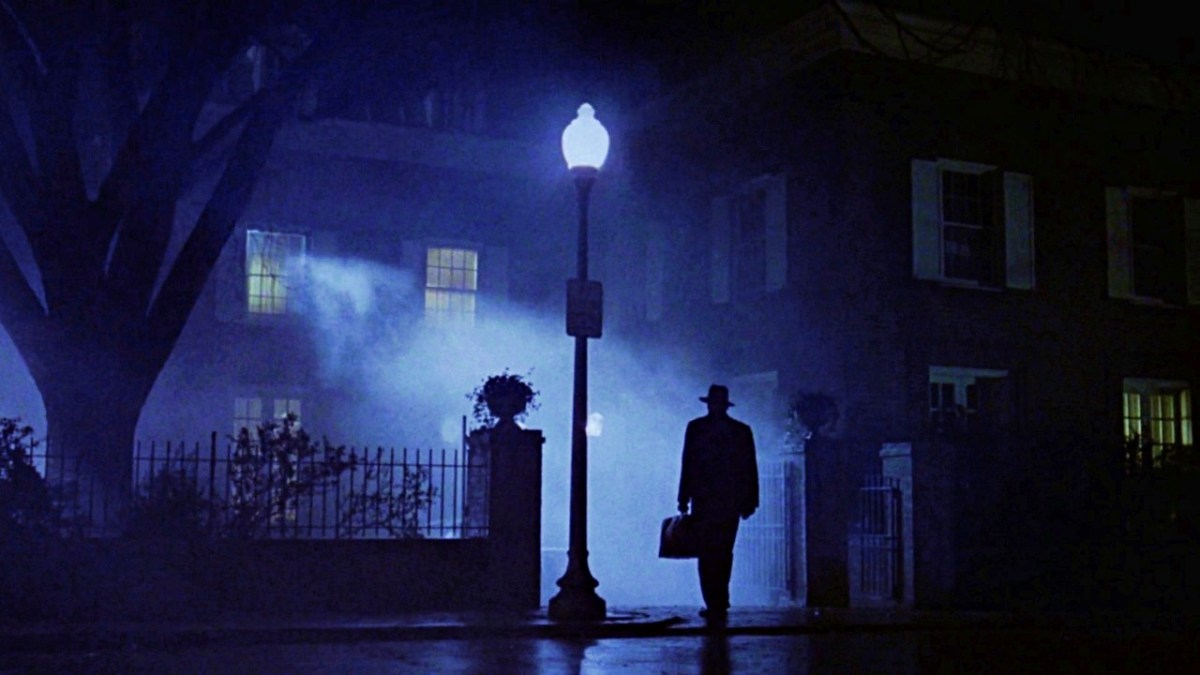
This enduring horror classic remains frightening not just for its iconic scares but also its fidelity to life—that the seepage of the supernatural into physiological reality is not merely a fantasy but a raw confrontation with the limits of religious faith.

Spielberg the fabulist meets Roald Dahl’s prose in this light-hearted, old-school tale that is somewhat an inconsequential entry in the director’s illustrious filmography.
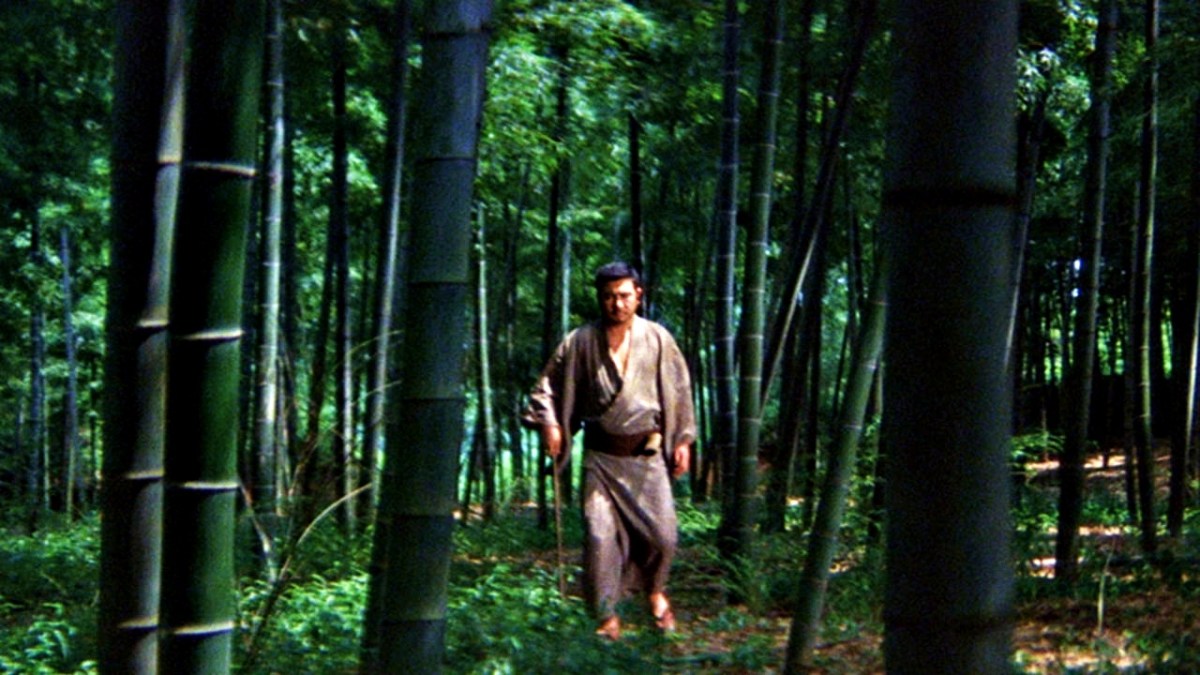
This mostly decent 18th installment balances drama with sharp swordfighting action in what is a decidedly darker film in tone.

