







One of the most iconic queer-themed documentaries of all time sees several trans women, drag queens and voguers reveal their passion and desire to be recognised like any other normal human being as they search for a queer utopia in New York’s Harlem.
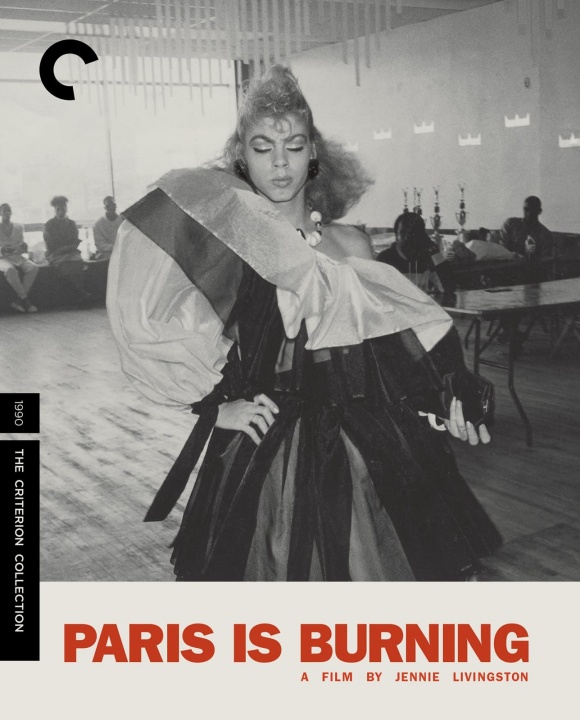
Review #2,888
Dir. Jennie Livingston
1990 | USA | Documentary | 76min | 1.33:1 | English
R21 (passed clean) for mature content
Cast: –
Plot: A chronicle of New York’s drag scene in the 1980s, focusing on balls, voguing and the ambitions and dreams of those who gave the era its warmth and vitality.
Awards: Won Teddy Award (Berlinale); Won Grand Jury Prize – Documentary (Sundance)
Source: Jane Balfour Films
Accessibility Index
Subject Matter: Moderate – New York Drag Scene; Voguing; Queer Utopia
Narrative Style: Straightforward
Pace: Normal
Audience Type: Slightly Mainstream
Viewed: MUBI
Spoilers: No
The only feature film that Jennie Livingston ever directed, Paris Is Burning is as iconic as it gets in the intersection between documentary and queer filmmaking.
From containing what could be the first instance in which the now-common term ‘throwing shade’ is uttered, explained—and canonised—to giving uninitiated cinephiles like myself the chance to learn more about the ‘ball’ and ‘voguing’ culture that characterised the drag scene in the 1980s, Paris Is Burning sets us alight right in New York’s Harlem with its raw, authentic, grassroots approach.
Through a series of talking heads, we become acquainted with several trans women, drag queens and voguers as they reveal their passion, ambition, and most importantly, the desire to want to be recognised like any other normal human being with dreams and goals.
They speak with tremendous enthusiasm though we can also detect sadness and fatigue in their eyes and voices as they assert how critical the balls are for their confidence and self-esteem.
“Do you want me to say who I am and all of that?”
Livingston shows us the sacred, performative space that these folks spend much of their free time in—it is a space of transformation, so they transform or be transformed. Either way, they find inspiration and camaraderie in each other.
Call it dated or a time capsule, Paris Is Burning may not have truly resonated with me as a straight person, but what I like most is how Livingston treats her film as a way for the marginalised community to not just show but amplify their presence.
There is a concept called queer utopia, where LGBTQ+ members can live freely and authentically, away from oppression. It’s a utopian vision, as the name suggests, but for a brief moment in time in the late ‘80s—and as crystallised in this wonderful documentary—we see some semblance of this vision coming to life.
So much has changed since then, but so much more can still be done—Paris may be on fire but it is a flame that keeps burning in solidarity.
Grade: B+
Trailer:
Music:

