





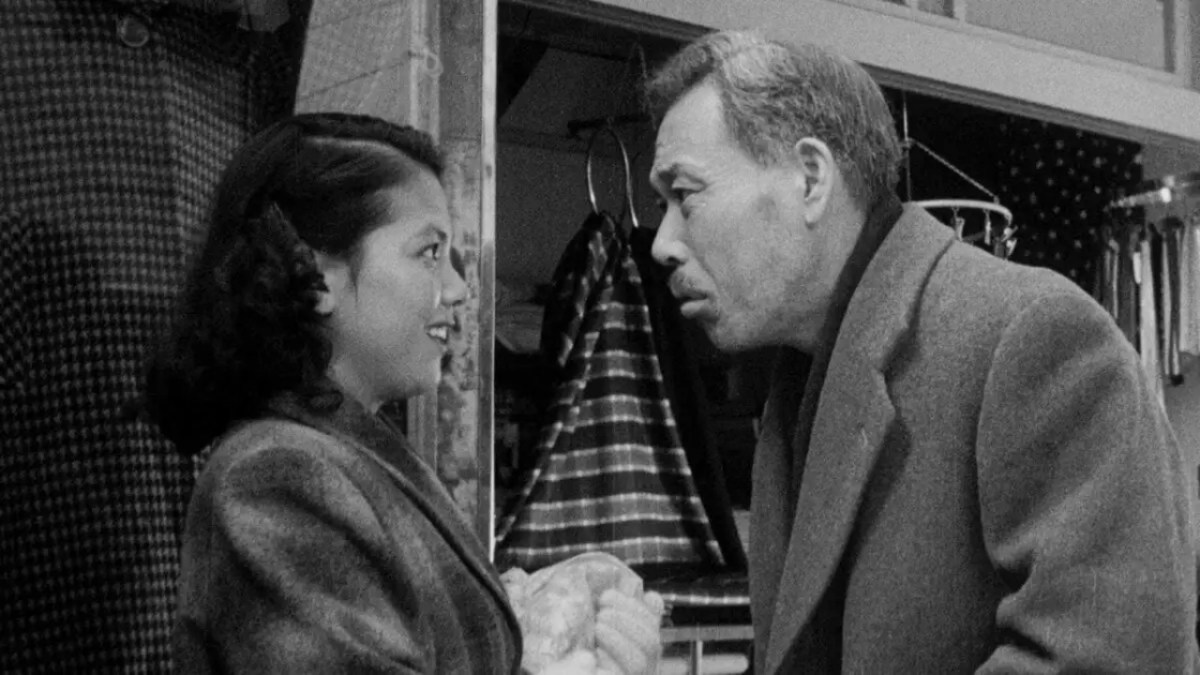
It does sometimes feel too stretched out with Kurosawa milking sentimentality out of its melancholy postwar drama, but the compelling characters take us somewhere meaningful as we ponder about what it means to be poor but in love.
Continue reading →
It does sometimes feel too stretched out with Kurosawa milking sentimentality out of its melancholy postwar drama, but the compelling characters take us somewhere meaningful as we ponder about what it means to be poor but in love.
Among the masterpieces of Kurosawa, this one sits confidently at the very, very top, and is quite rightly one of the greatest films ever made of all-time.
Kurosawa’s final collab with Mifune yields a near masterpiece about humanity that is beautiful, poetic and enlightening.
Kurosawa’s underrated gem of a masterwork is both an emotionally tense domestic drama, and a hot and sweaty police procedural.
A lighter if lesser effort by Kurosawa, but it is no less entertaining and darkly comic thanย its companion pieceย ‘Yojimbo’ย (1961).
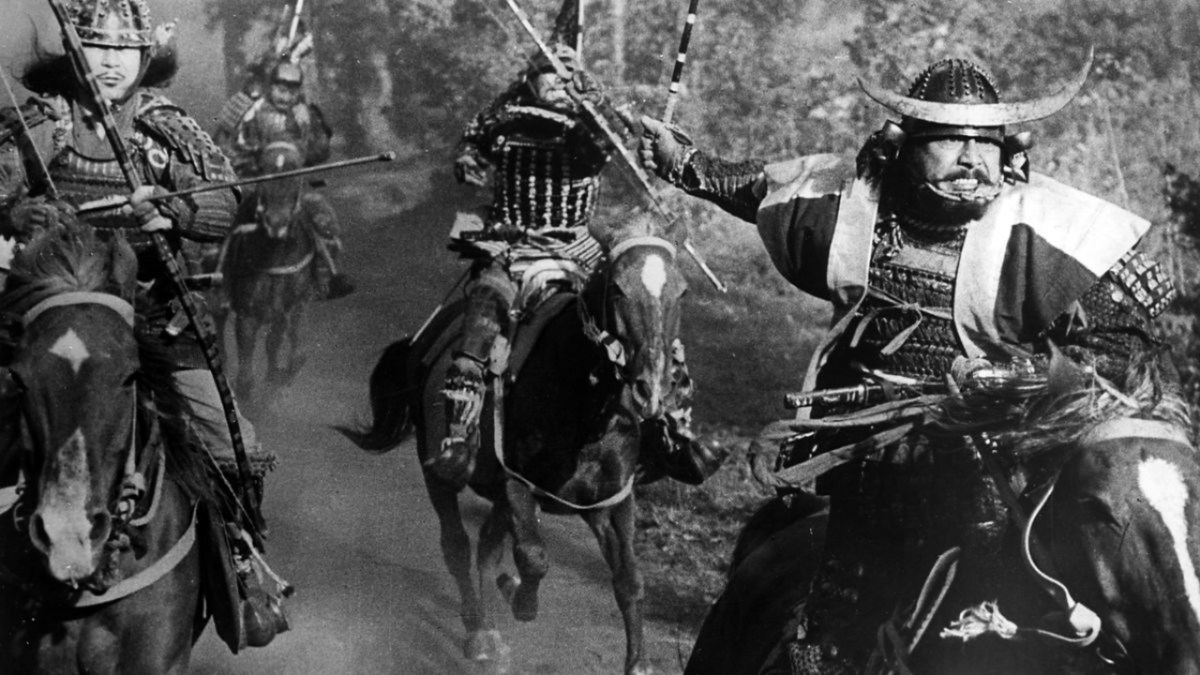
Kurosawaโs Noh-influenced take on โMacbethโ is elemental, engrossing and one of the greatest screen adaptations of Shakespeare.
One of Kurosawaโs lesser urban dramas that deals with the trauma and anxiety of nuclear annihilation through the eyes of a paranoid old patriarch.
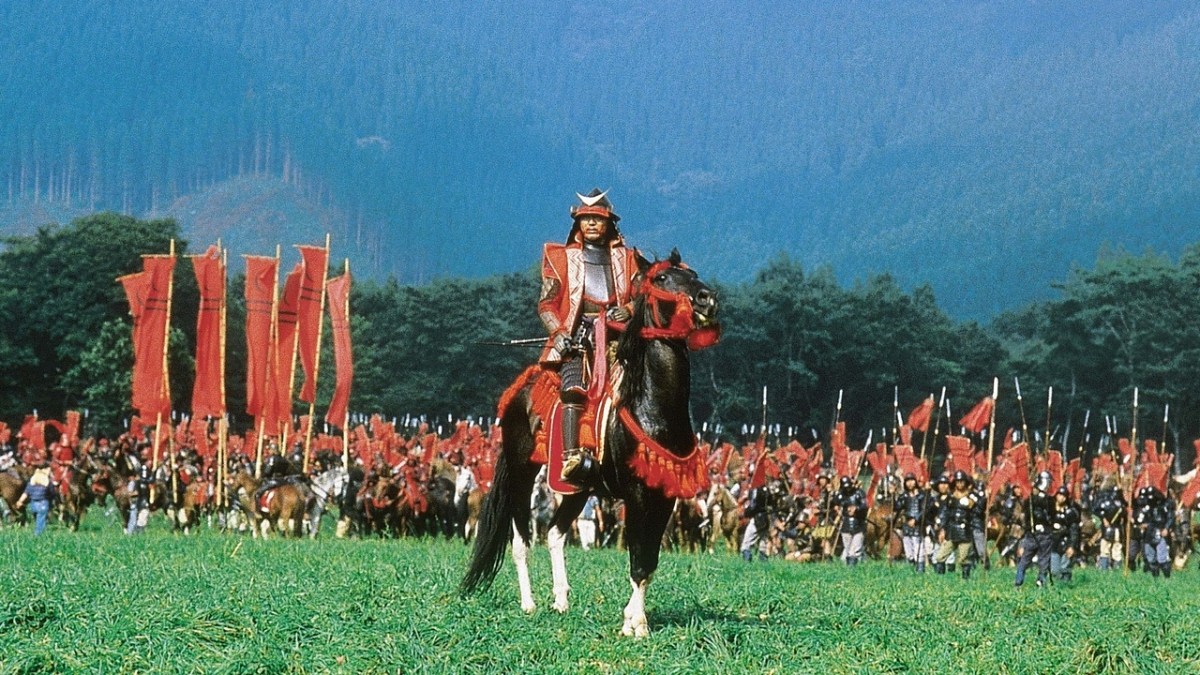
Kurosawa’s magnum opus is a glorious triumph and the standard-bearer for bravura epic filmmaking, still yet to be surpassed.
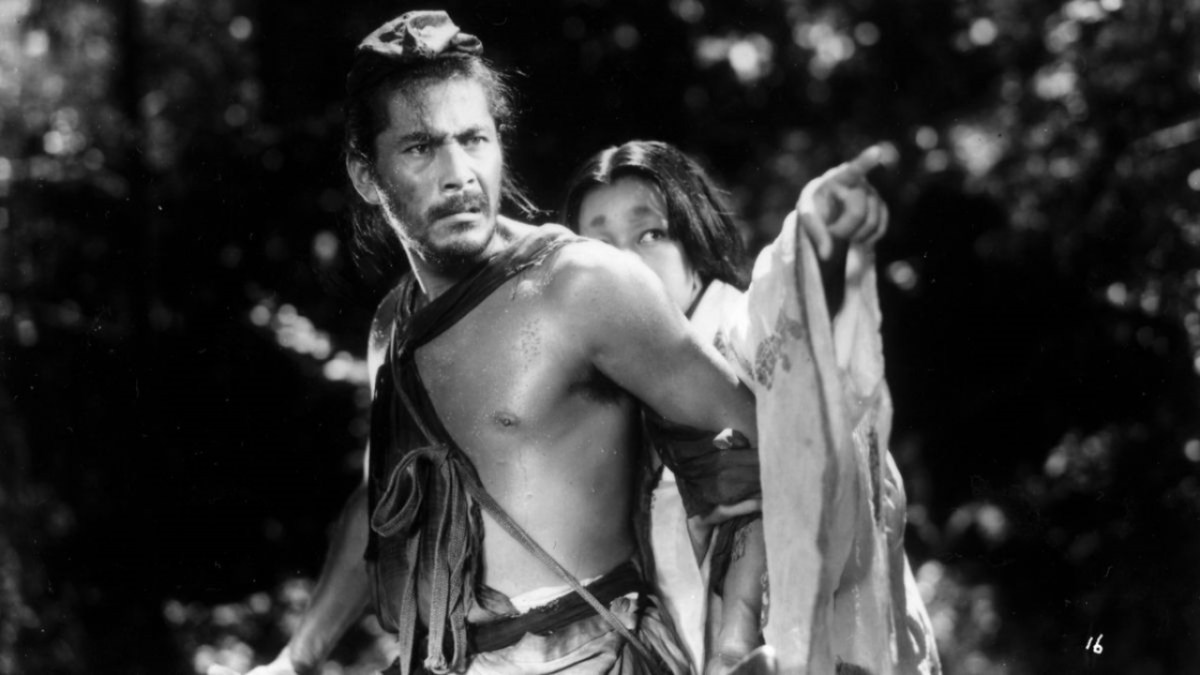
The film that launched Japanese cinema into serious international reckoning, and quite simply one of Kurosawaโs very best.
A solid early work by Kurosawa in what is a clever cat-and-mouse chase that leads to an emotional climax.