




A solid early work by Kurosawa in what is a clever cat-and-mouse chase that leads to an emotional climax.
Continue reading →

A solid early work by Kurosawa in what is a clever cat-and-mouse chase that leads to an emotional climax.
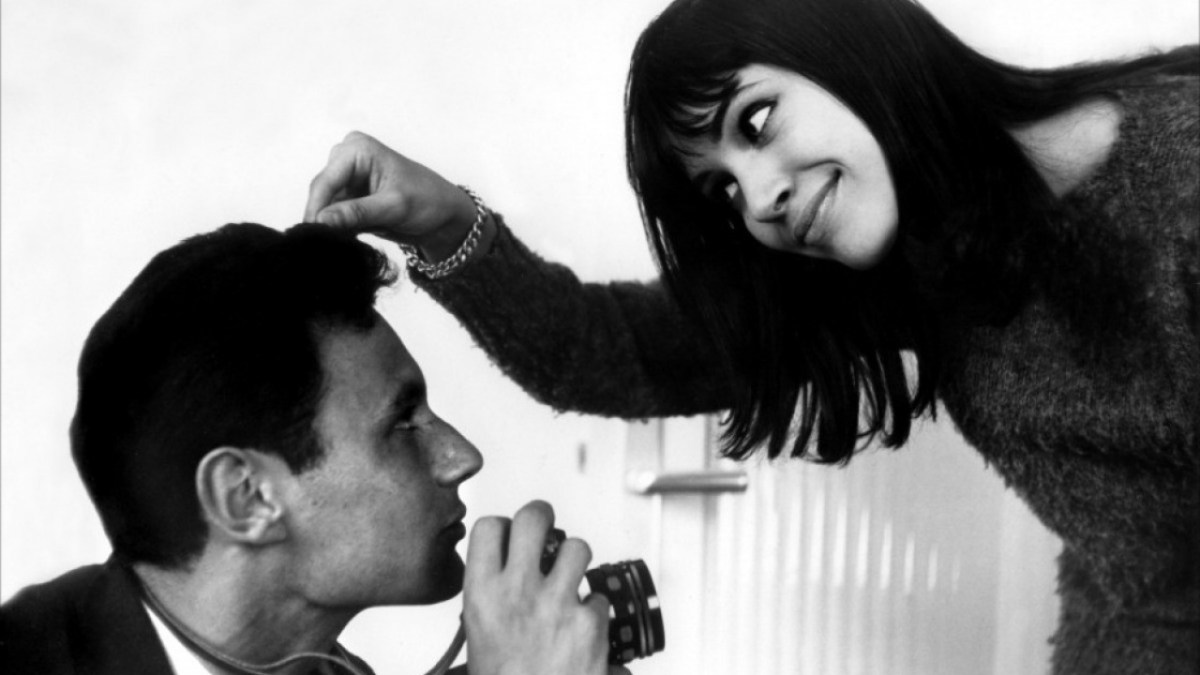
Banned for a short while in France, Godard’s second feature boldly and stylistically depicts the moral complexities of the Algerian war, throwing audiences at the time an early political curveball.
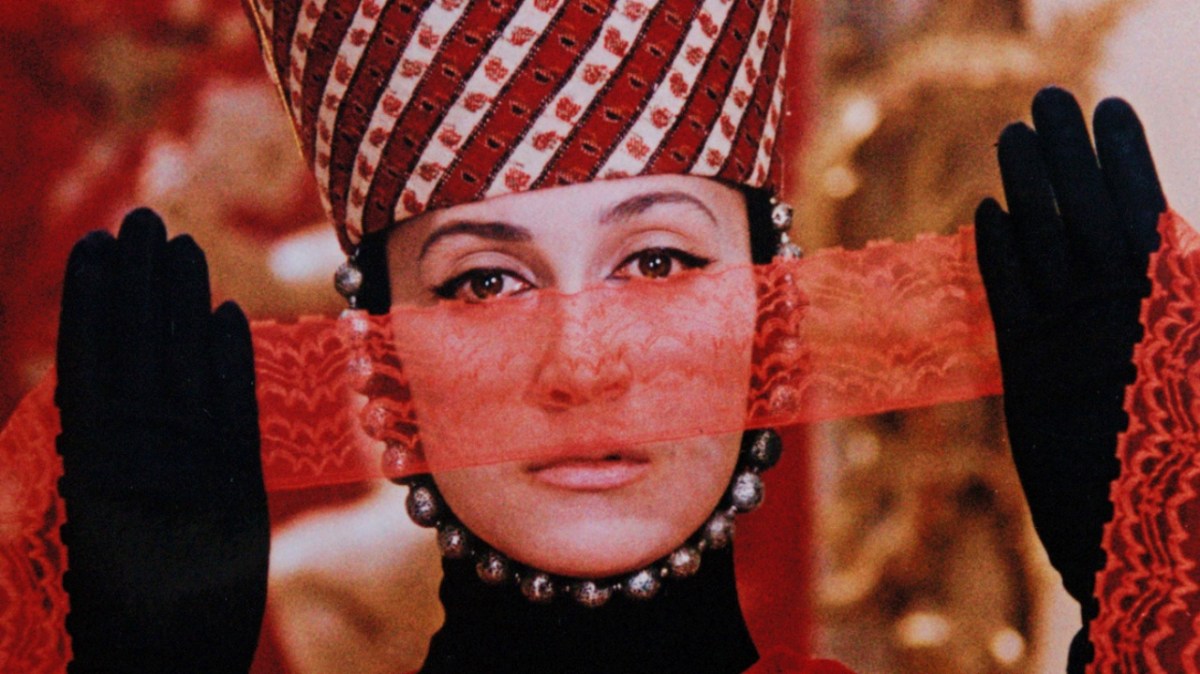
As fascinating as it is arcane, this visually and aurally arresting work from Armenia defeats categorization, but is indescribably hypnotic.
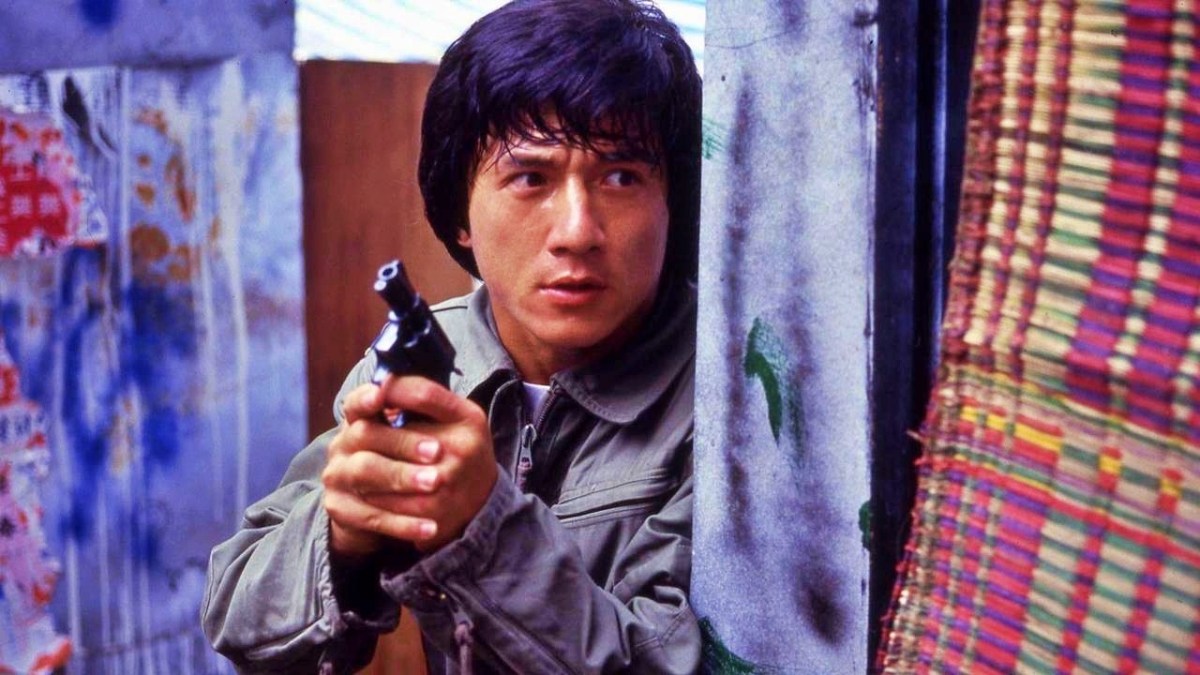
Jackie Chan puts on a rare snarly front as a framed police officer out to clear his name in this terrific spectacle of death-defying stunts and goofy comedy, still regarded as one of his finest achievements.

A fiery doctor and an ill gangster form a love-hate bond in Kurosawa’s striking first collab with Toshiro Mifune, a tale of changing times amid out-of-fashion masculine codes of honour.
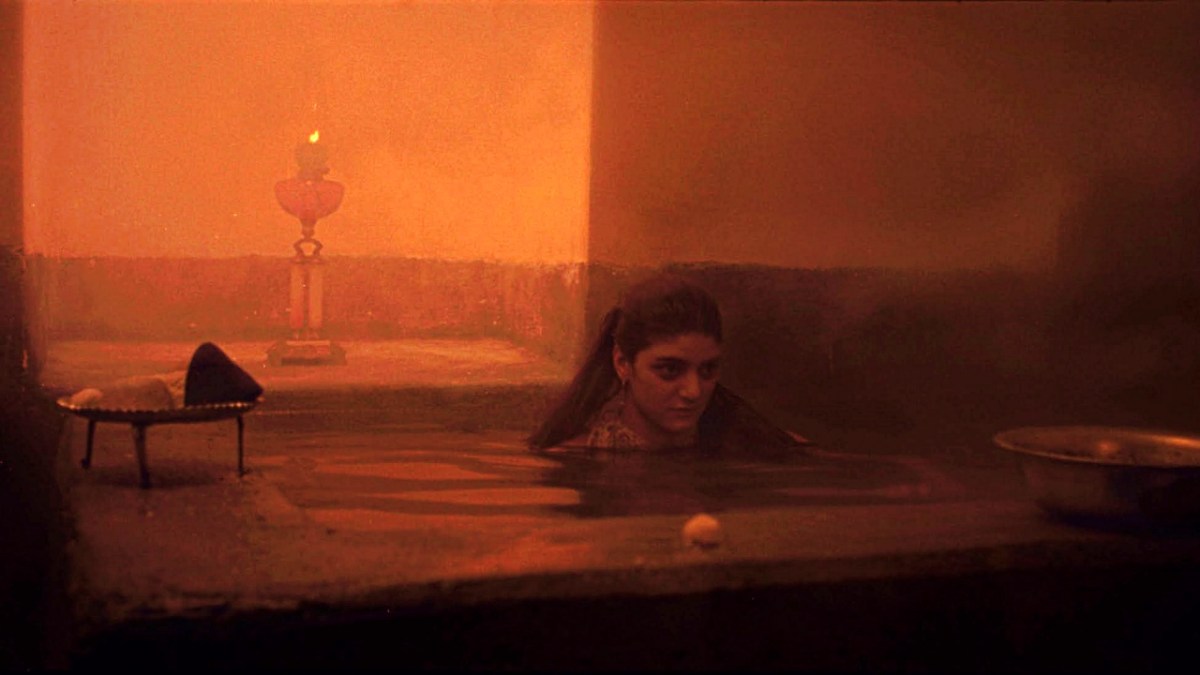
This banned and long-lost Iranian debut feature, boosted by a stunning restoration, is a genuine eye-opener—subversive, progressive, and a formidable take on how power and greed are symptomatic of patriarchy and nobility.

Zatoichi’s caught in between nasty gangsters and ungrateful villagers in this 14th entry that boasts great action but little in a way of a substantial story.

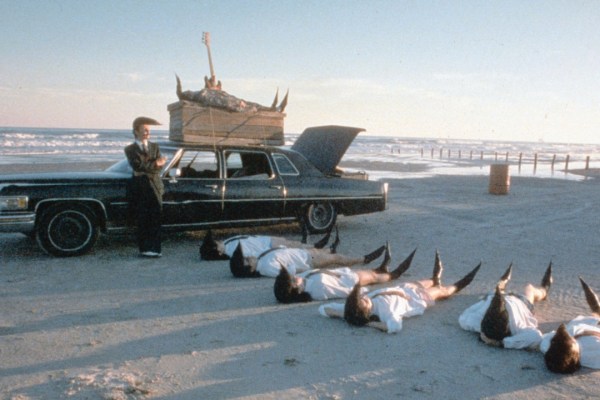
Godard’s anarchic work of gleeful nihilism is not just a challenging treatise on the corruption and destruction of bourgeois values, but one of his most essential films about the end of civility and civilisation.

Extraordinary docu-fictive filmmaking by Kiarostami as the second part of his ‘Koker’ trilogy brings us to the aftermath of the devastating 1990 Manjil-Rudbar earthquake via a skillfully deceptive meta-cinematic device.

Zatoichi’s use of violence to right wrongs is called into question in this well-made 13th installment.
 Eternality Tan