



A stunning return to form by Ridley Scott, who revived the swords-and-sandals movie in the 2000s.
Continue reading →


A stunning return to form by Ridley Scott, who revived the swords-and-sandals movie in the 2000s.
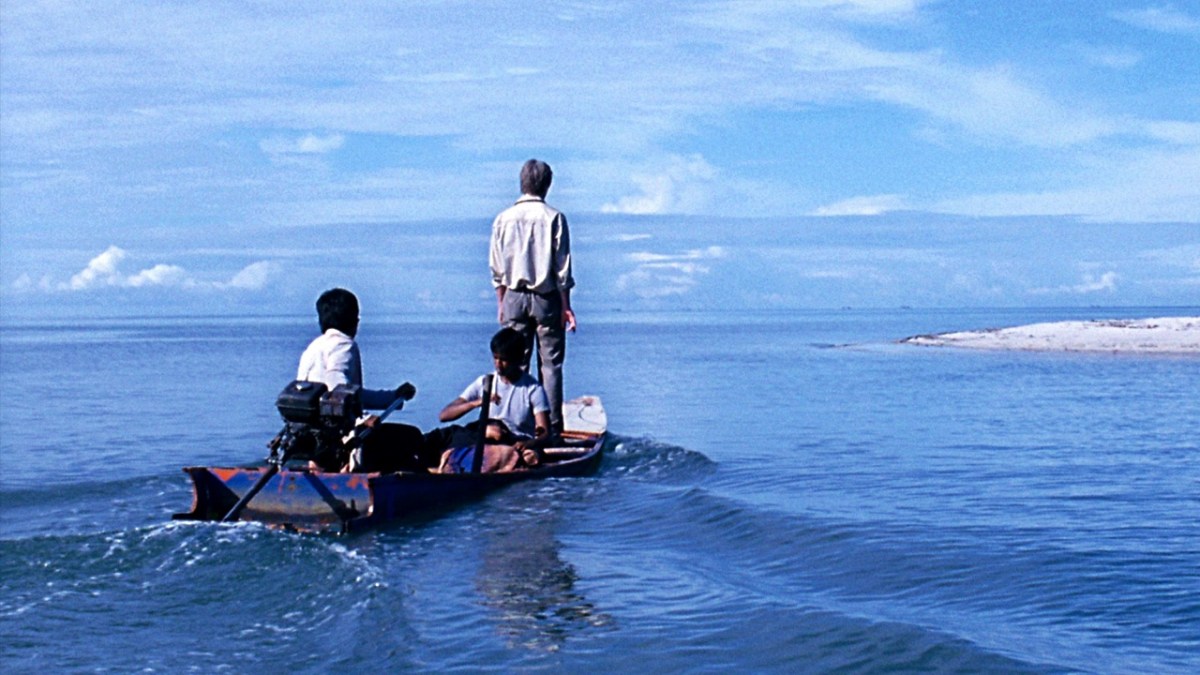
Akerman’s last fiction feature is an adaptation of Joseph Conrad’s Malaysia-set first novel in an assured slow cinema style that is evocative of the tropical landscape (shot in Cambodia) where a white man is facing an existential crisis dealing with his estranged mixed-race daughter.

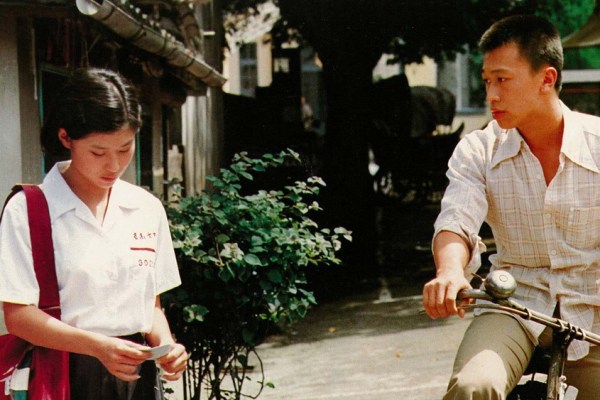
This companion piece to ‘881’ is the lesser of the two – craft-wise it is pretty good, but characterisations are much less convincing here.

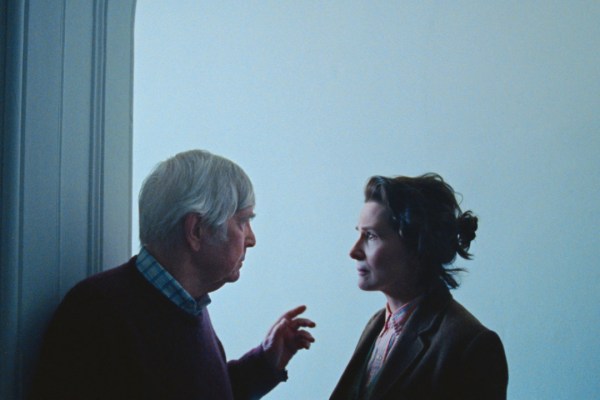
There is a sense of both melancholy and hope in this strong effort by Rohmer as he fashions a drama about the unwavering faith of a single mother who believes in her own idiosyncratic conception of love.

One of Ridley Scott’s most unabashed and unforgettable of entertainments—a road movie that’s never about the end of the road.

The philosophising of Malick meets the ephemeral beauty of nature in this imperfect shortened IMAX version that shows how the Universe first started, and subsequently life on Earth.
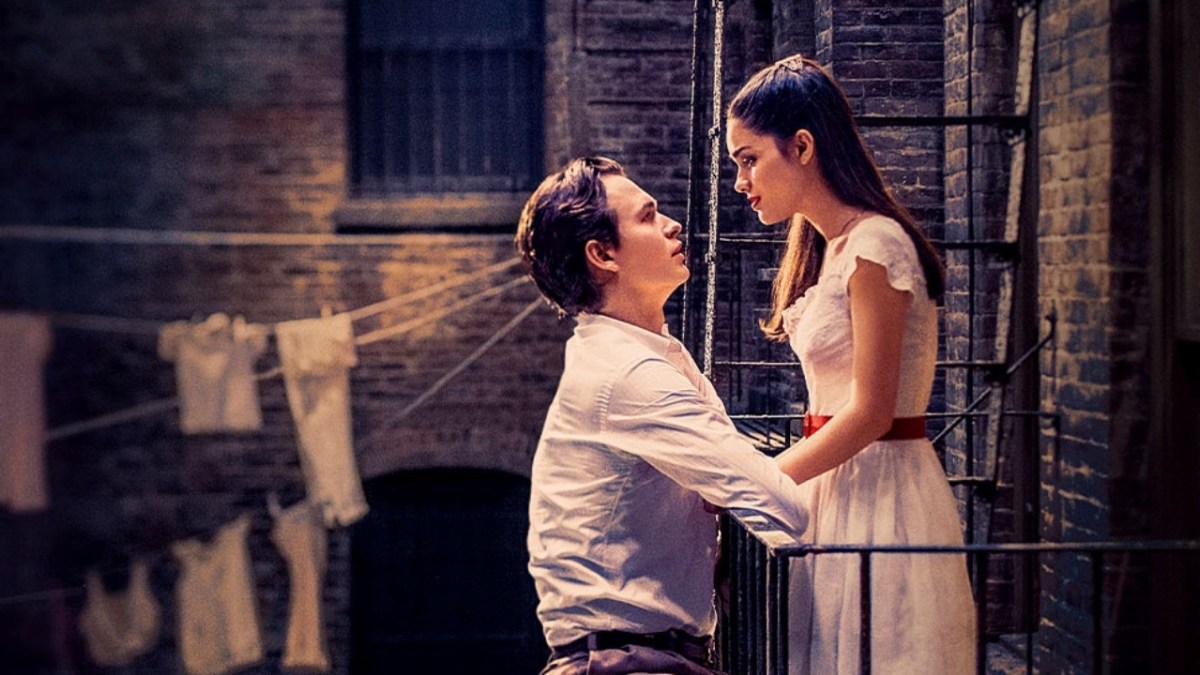
Spielberg, in his first-ever musical, hits it out of the park with this dynamic and compelling remake of the 1961 original, featuring a revelatory performance by Rachel Zegler.
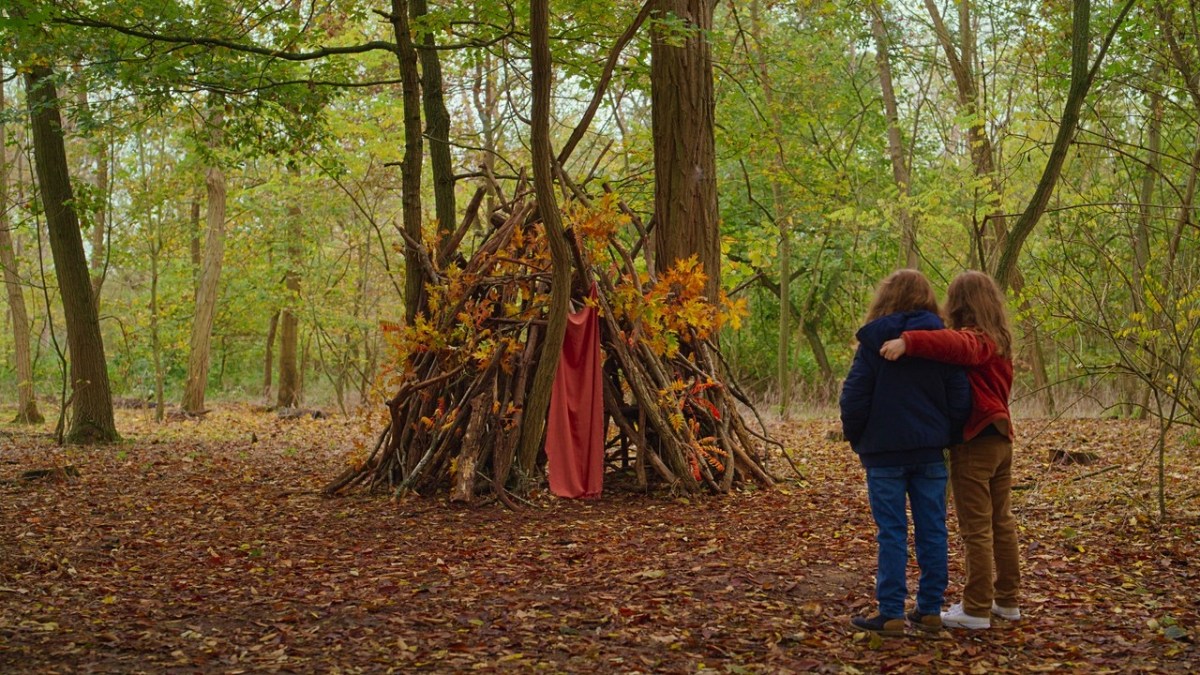
A charming little film by Sciamma, who gives us two child performances to savour in this subtle, magical realist take on the inseparable bonds between mothers and daughters.

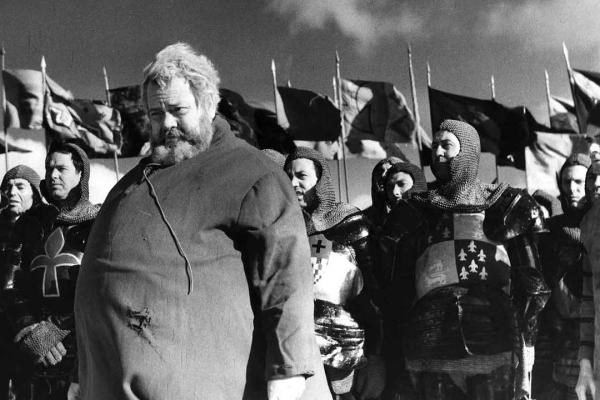
Although not exactly emotionally resonant, Joel Coen’s adaptation of one of Shakespeare’s seminal texts is as dark and brooding as they come, a unique balance of theatrical artifice and cinematic vision.
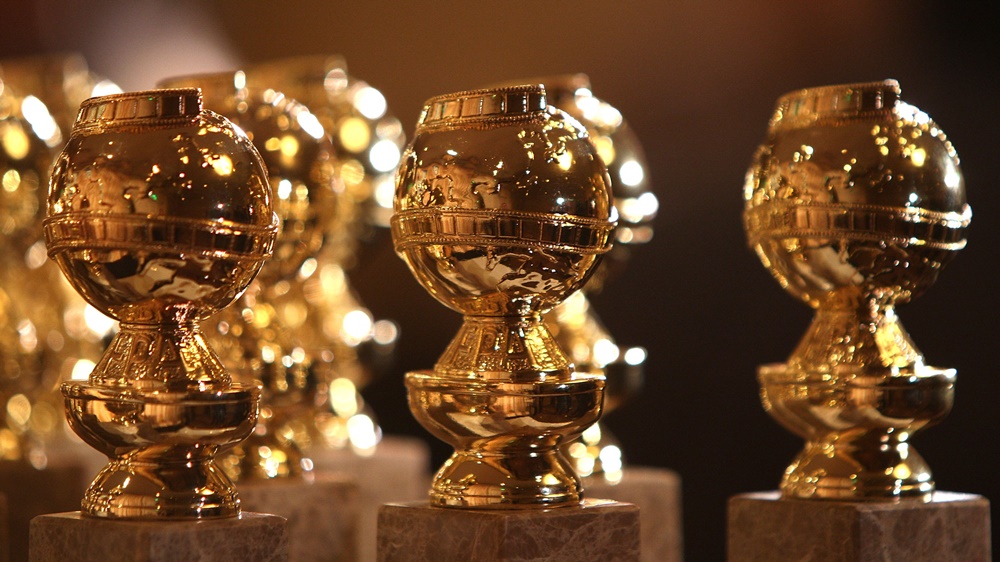
Awards season is right up the corner – here are my predictions for the Golden Globes 2022:
WW: Will Win
DH: Dark Horse
Prediction Results: 8/14 (12/14 if including dark horses)
Continue reading →
