




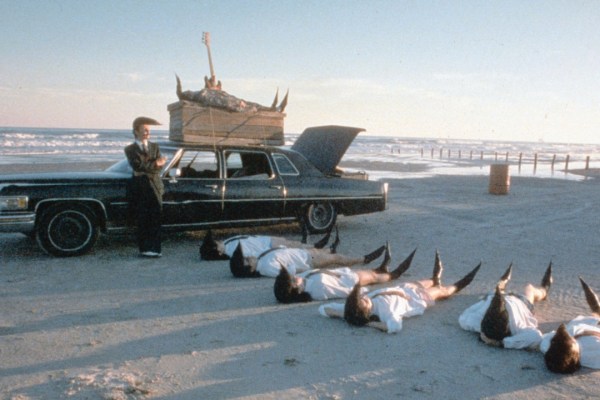
Jodorowsky’s notorious debut feature seems to show us a burgeoning surrealist-visualist already fully-formed, but one couldn’t care any less for his meandering storytelling or impenetrable characters.
Continue reading →

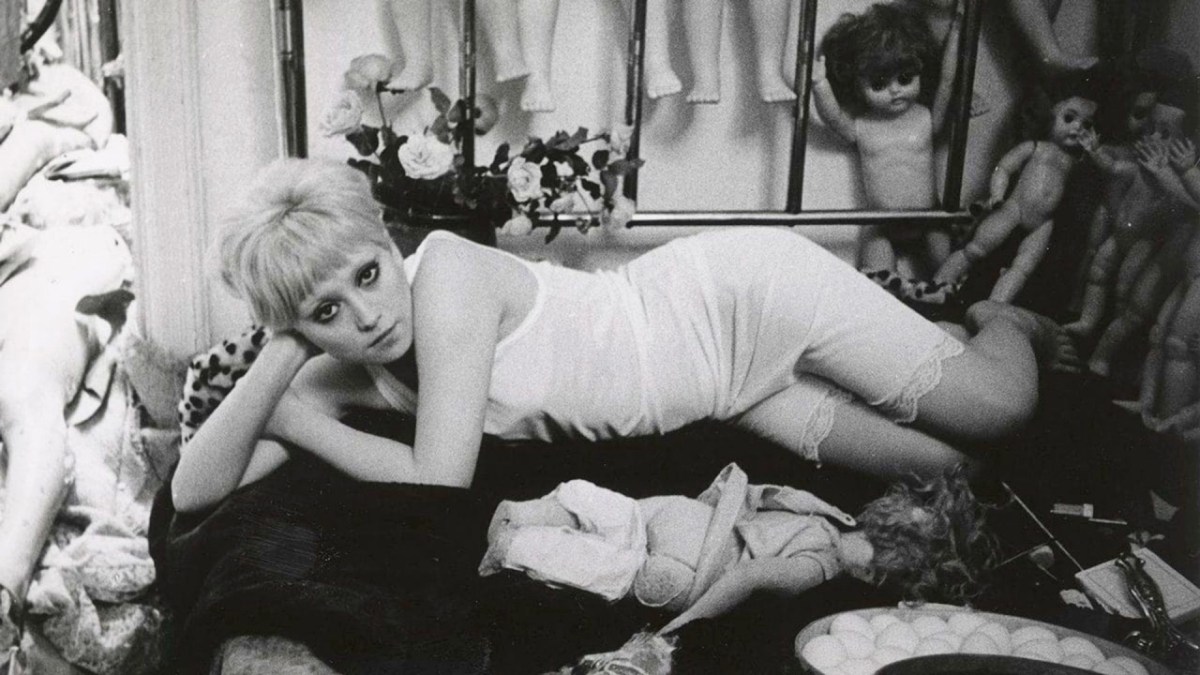
Jodorowsky’s notorious debut feature seems to show us a burgeoning surrealist-visualist already fully-formed, but one couldn’t care any less for his meandering storytelling or impenetrable characters.
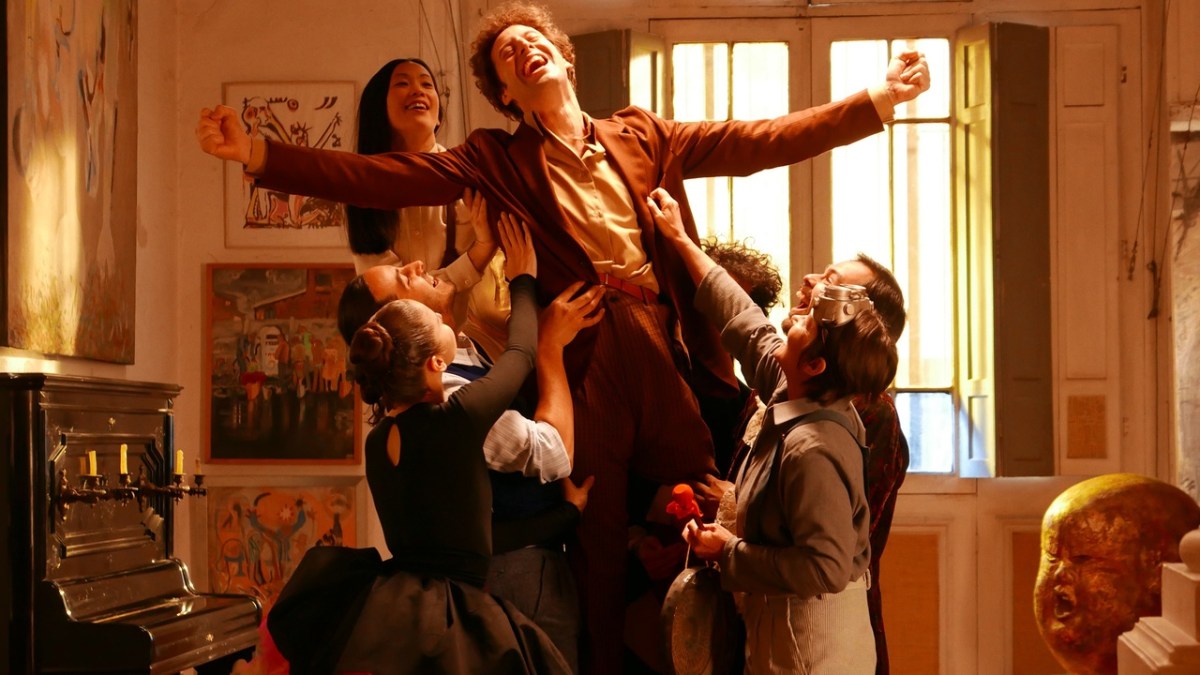
With bizarre artifice and sheer ingenuity, Jodorowsky’s second autobiographical film celebrates life and art.
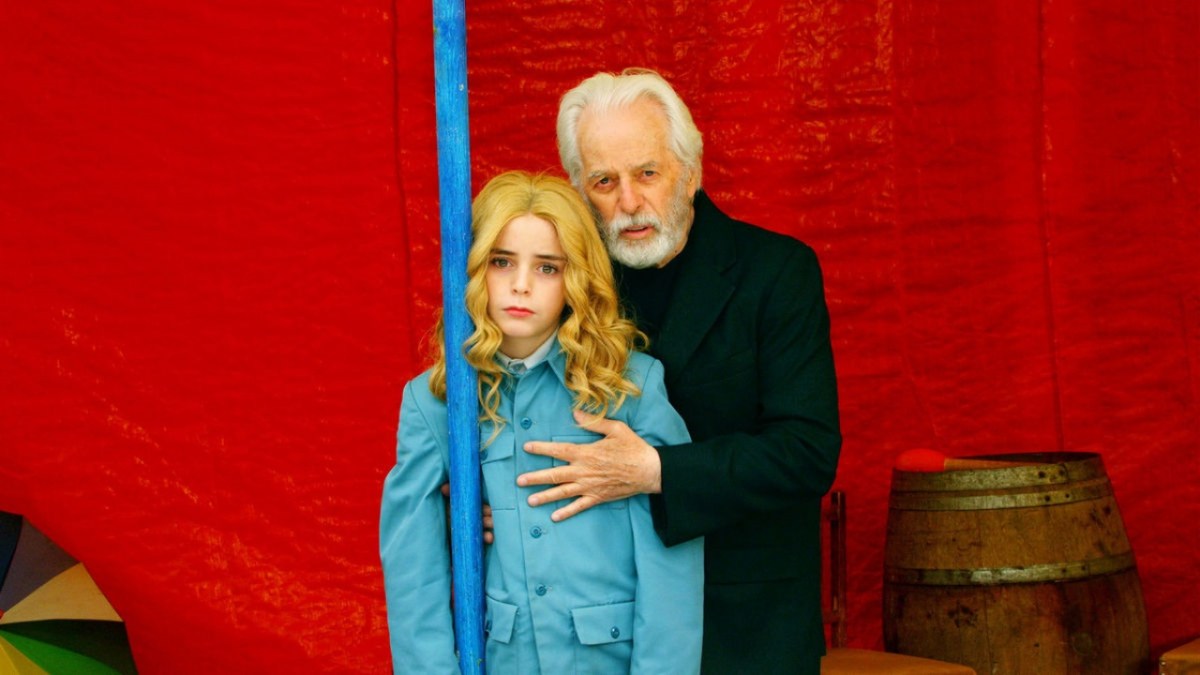
Jodorowsky’s return to filmmaking after 23 years is a dazzling, self-indulgent portrait of his childhood under the surrealistic veil of psychomagic.

The China that you won’t see, as Wang Bing observes with tenderness the daily lives of a young girl and her siblings in a poor rural village in Yunnan province.

You haven’t really seen how outrageous cinema could be until you have seen Jodorowsky’s psychedelic-surrealist head trip on acid.
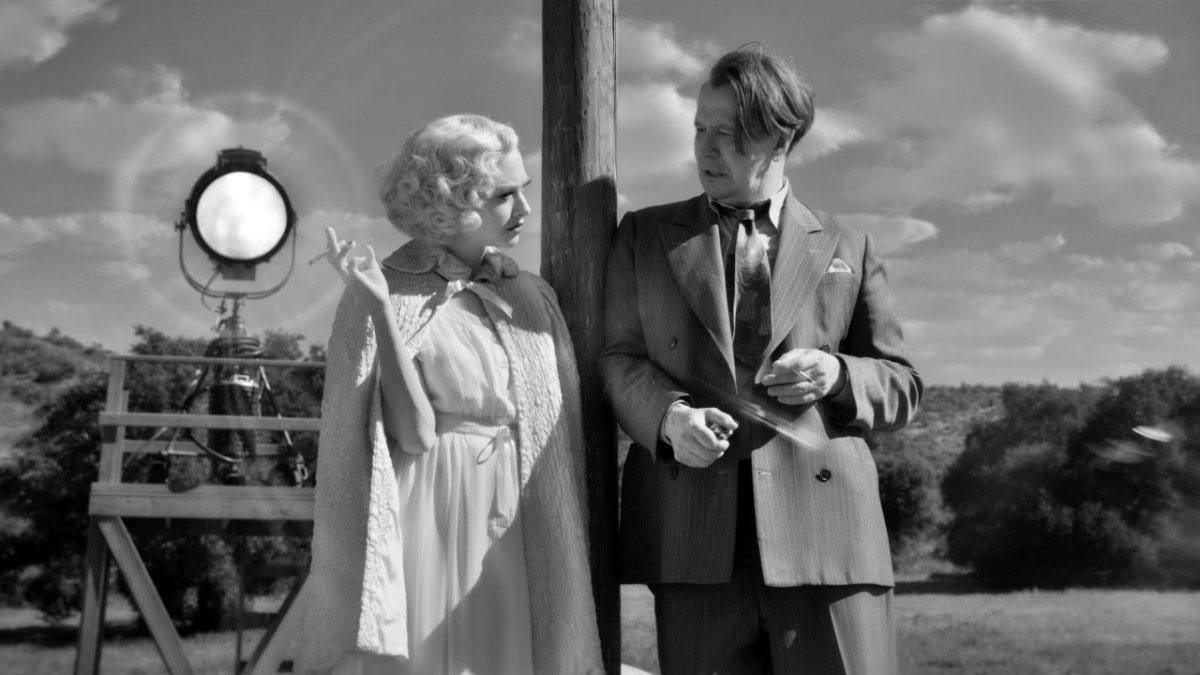
Despite Fincher’s highly-calibrated craft and an excellent performance by Gary Oldman, this is way too dense and dull an ode to Old Hollywood to even be considered remotely compelling.

Jodorowsky’s breakthrough film is one of the progenitors of the ‘midnight movie’ phenomenon, and has since become one of the most important cult films in history.
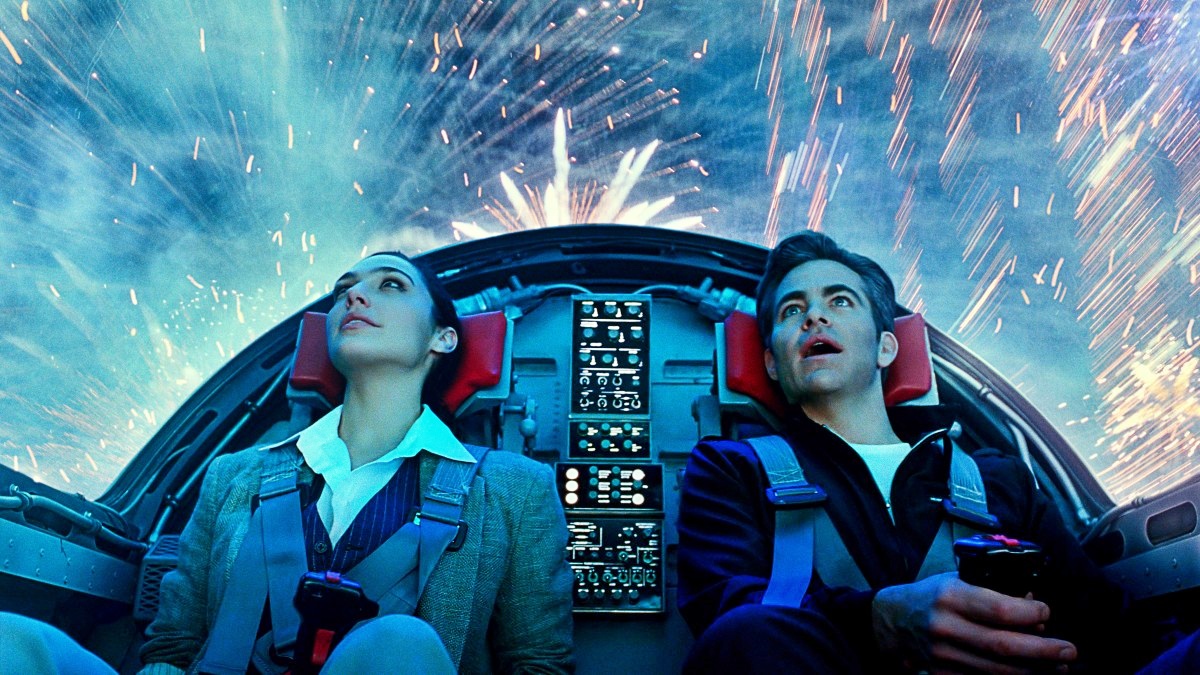
Not as inspiring or thrilling as the first movie, this largely serviceable sequel has some interesting ideas that take too long to unpack and could benefit from a tighter edit.

The film’s radical nature hides within its safe, formulaic underpinnings in what is DC’s finest superhero movie since Nolan’s ‘The Dark Knight’ trilogy.

Extraordinary docu-fictive filmmaking by Kiarostami as the second part of his ‘Koker’ trilogy brings us to the aftermath of the devastating 1990 Manjil-Rudbar earthquake via a skillfully deceptive meta-cinematic device.
 Eternality Tan