

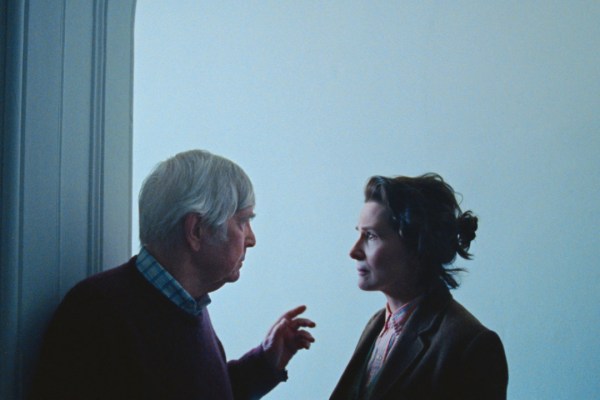
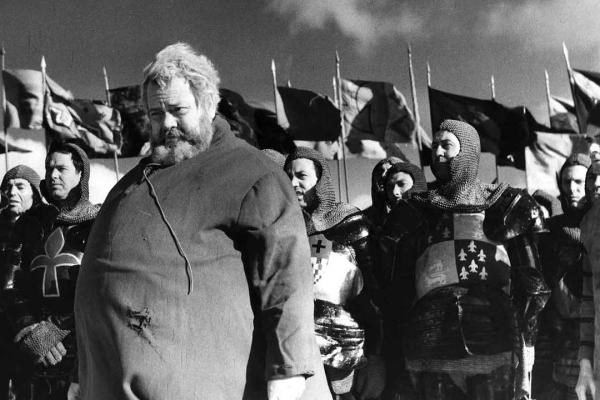

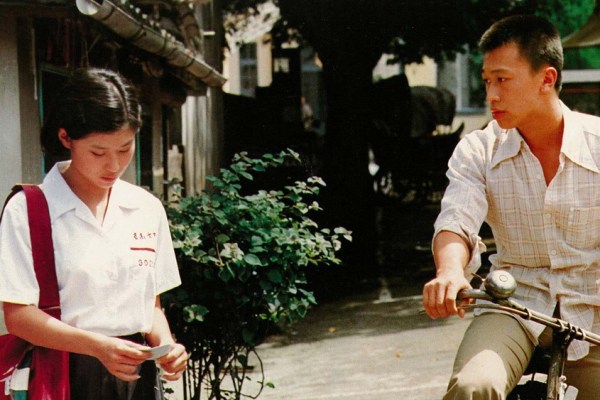

Awards season is right up the corner – here are my predictions for the Golden Globes 2021:
WW: Will Win
DH: Dark Horse
Prediction Results: 9/14 (10/14 if including dark horses)
Continue reading →
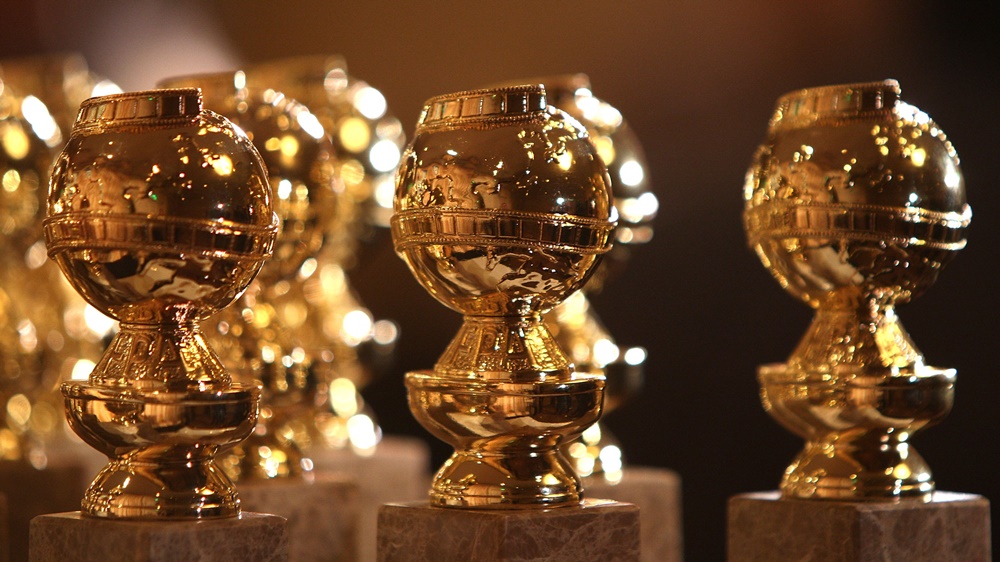
Awards season is right up the corner – here are my predictions for the Golden Globes 2021:
WW: Will Win
DH: Dark Horse
Prediction Results: 9/14 (10/14 if including dark horses)
Continue reading →
Sexual politics and sociopolitics dovetail in Bunuel’s mesmerising final film, featuring two actresses taking turns to play the female lead.
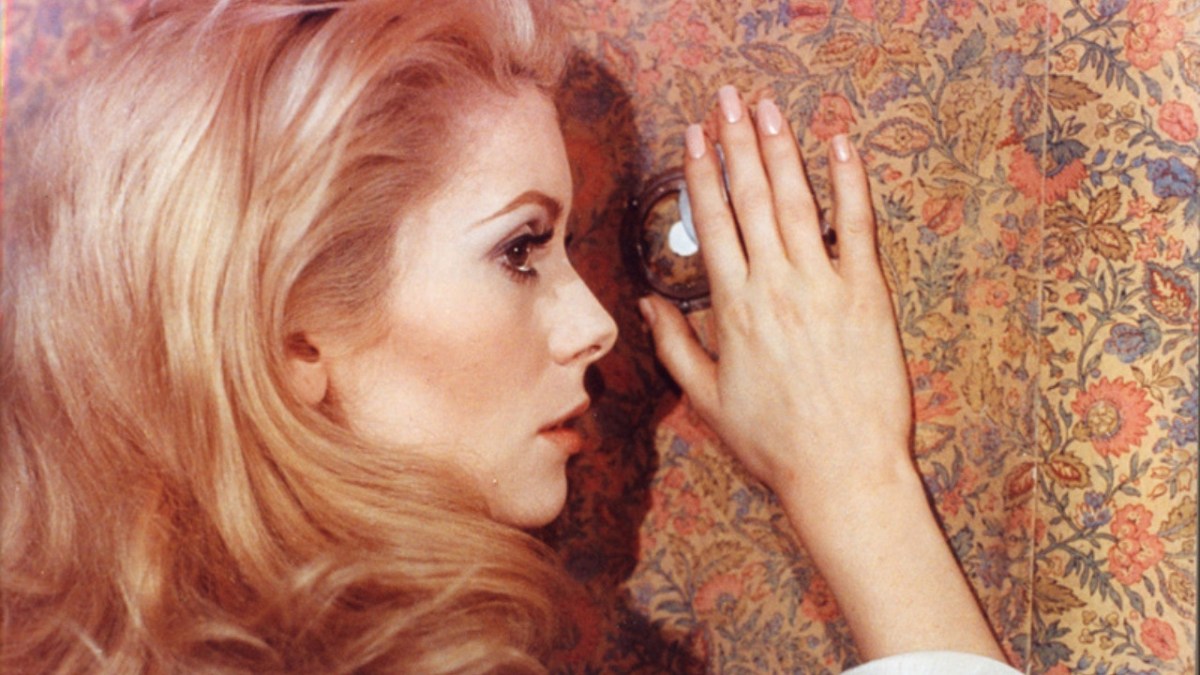
A bold and stunning effort by Bunuel that explores with psychological depth both sexual repression and expression from the perspective of a sexy but frigid young woman.

Tom Hanks and the wildly-talented Helena Zengel strike up an odd partnership and just about lift this standard-fare Western-esque drama set in the Civil War period into something akin to serviceable entertainment.
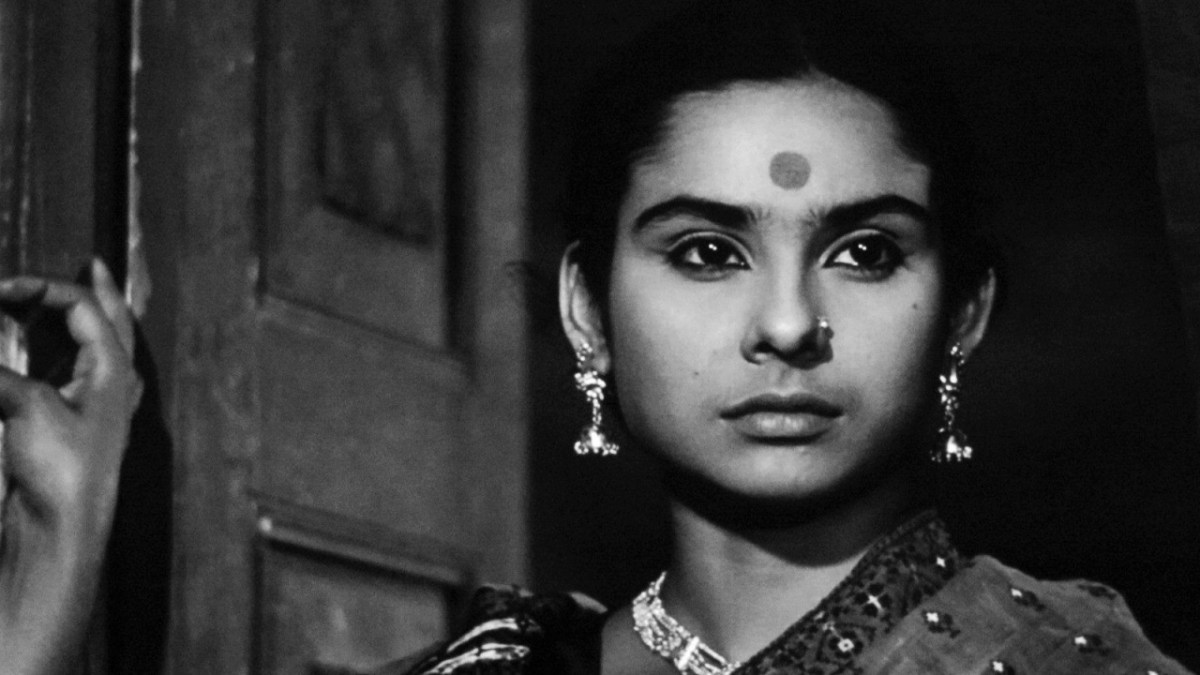
Part of Ghatak’s ‘Partition’ trilogy, this rarely-seen film is a strong melodrama about suffering, loss and psychological turmoil as a man, his younger sister and an adopted orphan navigate the harsh socio-economic realities in postwar India.
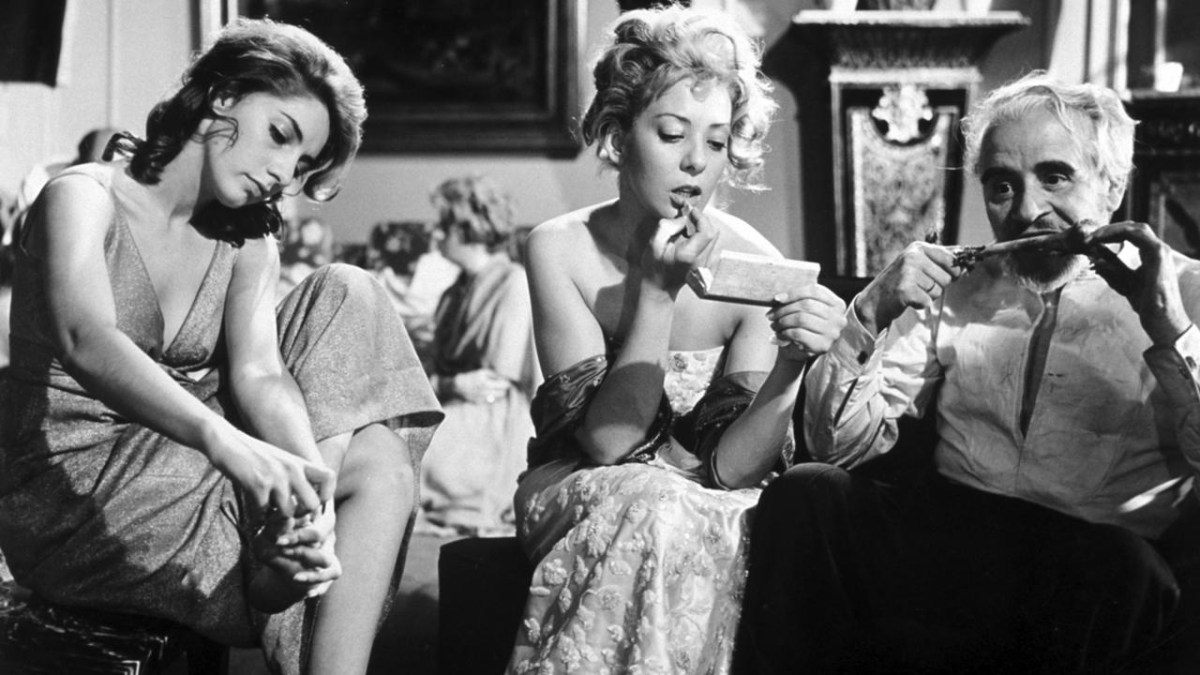
May be at times challenging to watch but Bunuel took down the upper-classes in the kind of sharp comic absurdity that he was known for.

A lighter if lesser effort by Kurosawa, but it is no less entertaining and darkly comic than its companion piece ‘Yojimbo’ (1961).
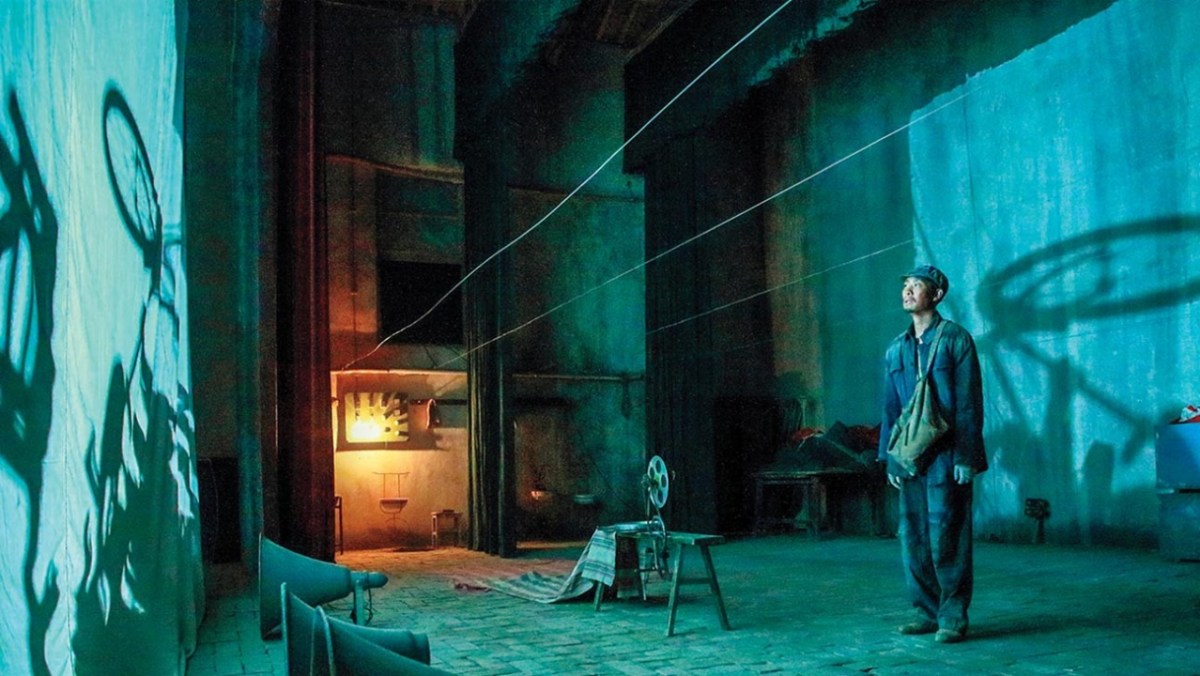
It doesn’t always work, but Zhang Yimou’s delayed new picture, about a man trying to find a reel of film that contains a shot of his long-lost daughter, features stunning performances from Zhang Yi and newcomer Liu Haocun.
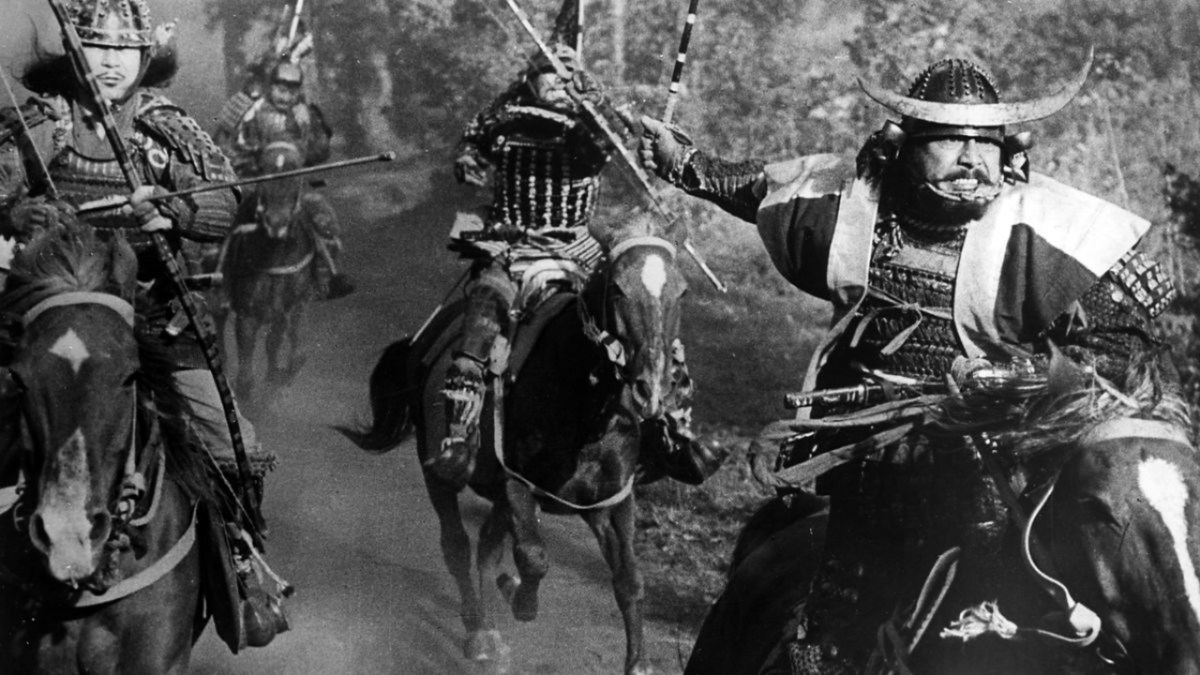
Kurosawa’s Noh-influenced take on ‘Macbeth’ is elemental, engrossing and one of the greatest screen adaptations of Shakespeare.

An assured feature debut from Mia Hansen-Løve who deals with the film’s father-daughter bond/estrangement with a clear-eyed sensitivity.

