








Probably Fincher’s zeitgeistiest film, this initially misunderstood but now modern classic traverses effortlessly between popular and cult realms as its unflinching takedown of capitalism and consumerism is marked by a thick, poisoned air of existential malaise.
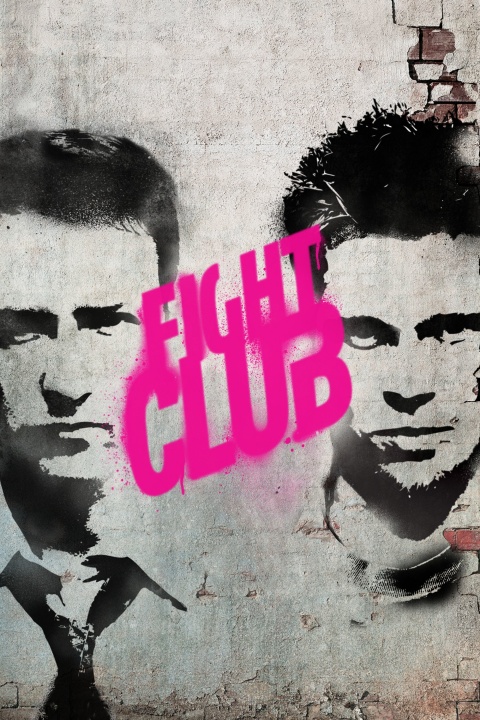
Review #2,793
Dir. David Fincher
1999 | USA | Drama, Crime | 139 min | 2.39:1 | English
M18 (passed clean) for disturbing and graphic depiction of violent anti-social behavior, sexuality and language
Cast: Edward Norton, Brad Pitt, Helena Bonham Carter
Plot: A ticking-time-bomb insomniac and a slippery soap salesman channel primal male aggression into a shocking new form of therapy. Their concept catches on, with underground “fight clubs” forming in every town, until an eccentric gets in the way and ignites an out-of-control spiral toward oblivion.
Awards: Nom. for Best Sound Effects Editing (Oscars)
Distributor: Fox
Accessibility Index
Subject Matter: Slightly Dark – Mental Issues; Capitalism & Consumerism; Anti-Establishment; Catharsis of Violence
Narrative Style: Slightly Complex
Pace: Normal
Audience Type: Slightly Mainstream/Cult
Viewed: Netflix
Spoilers: No
Almost every (male) cinephile has had some kind of Fight Club infatuation phase, waxing lyrical about what the film meant to them in their formative years.
I have to admit that I didn’t like it when I first saw the film during the mid-2000s on DVD. I felt it was cold, soulless and way too haphazardly reliant on its plot-twisting gimmick.
With more than two decades of popular discourse behind it, Fight Club has more than shed its image as a meaningless and dangerous romp—it is now considered a bonafide modern classic and probably David Fincher’s zeitgeistiest film outside of The Social Network (2010).
A box-office flop when it was first released in 1999, Fight Club is an unflinching takedown of capitalism and consumerism, one marked by a thick, poisoned air of existential malaise.
“This is your life, and it’s ending one minute at a time.”
This ‘poison’ comes in the form of the soap-selling entrepreneur, Tyler Durden (Brad Pitt), whom Edward Norton’s unnamed narrator-protagonist becomes acquainted with one day on a flight, an encounter that would upend the latter’s life, and possibly his whole existence.
Layered with subtext on the nihilism of modern society where marginalised men lead hollow lives where emotions are suppressed, Fight Club enters subversive territory by celebrating the catharsis of violence, whether through the secretive male-on-male fight clubs that Tyler has efficiently set up, or the much more nefarious thought of committing economic terrorism by way of bombing the buildings that house the instruments of capitalism.
Seeing it today and with the context of 9/11, I am still taken aback by how transgressive its themes are, considering it was meant to be a commercial studio effort by Fox.
While Fincher has made more formally rigourous films, none has come close to the devil-may-care attitude of this machismo-dissecting, mind-freeing (or is it mind-blowing?) work. This would make a great thematic double-bill with The Matrix, also released in the same year.
Grade: A-
Trailer:
Music:
 Eternality Tan
[…] Fight Club (1999) […]
LikeLike
[…] Fight Club (1999) […]
LikeLike
[…] Fight Club (1999) […]
LikeLike
An excellent review. I absolutely agree with you on this one. “Fight Club” is one of the greatest movies ever made. A cult classic, David Fincher’s iconic film forever changed the art of Cinema. Packed with phenomenal performances, sharp storytelling and iconic music, the film has stood the test of time as a classic. It features the most unique plot twist I’ve ever seen in any film. If there’s an issue, I do feel the movie features scenes of graphic nudity that feel unnecessary. But on the whole, I loved it. Here’s my thoughts on David Fincher’s masterpiece:
https://huilahimovie.reviews/2013/08/12/fight-club-1999-movie-review/
LikeLike