



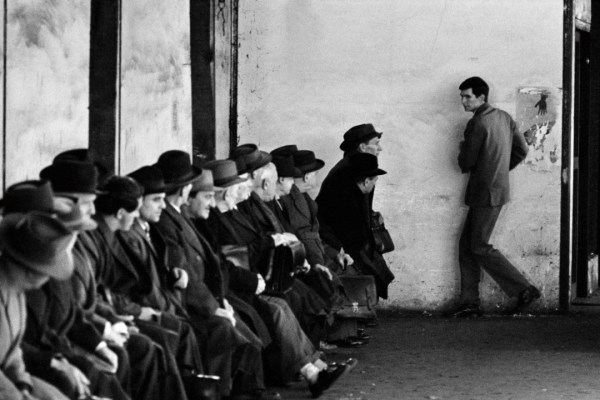

Kiarostami shoots the close-ups of more than a hundred actresses as they watch a theatrical presentation unfold in this conceptually bold but ultimately uninvolving treatise on the nature of spectatorship.
Continue reading →

Kiarostami shoots the close-ups of more than a hundred actresses as they watch a theatrical presentation unfold in this conceptually bold but ultimately uninvolving treatise on the nature of spectatorship.
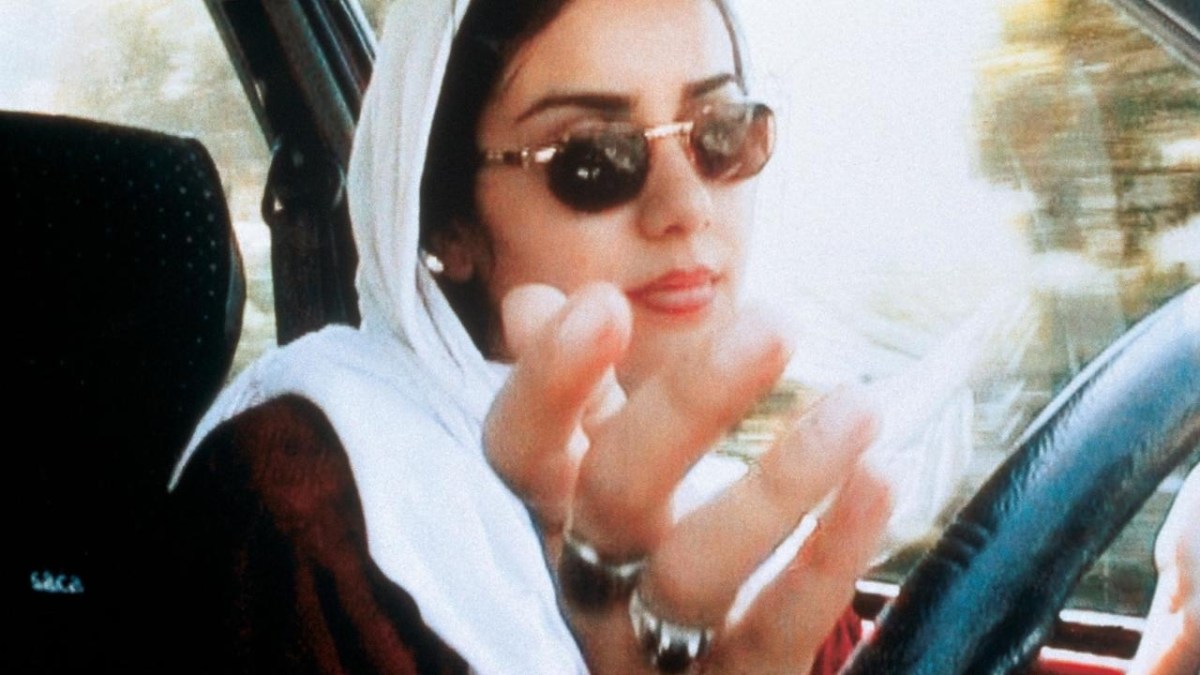
It runs a little out of steam by the end, but Kiarostami’s breakthrough experiment with the digital video camera is a revelation as the private, unfiltered conversations in a car become wrestling bouts against patriarchy, served with ten ‘dings’ of the bell.

Kiarostami’s observant eye for landscapes and people reaches its apotheosis here in this graceful, if sometimes elusive, meditation on life and mortality.

It may be at times contrived and slow-moving, but this Iranian drama about the impact of a wrongful state execution on a family accumulates enough power to work.
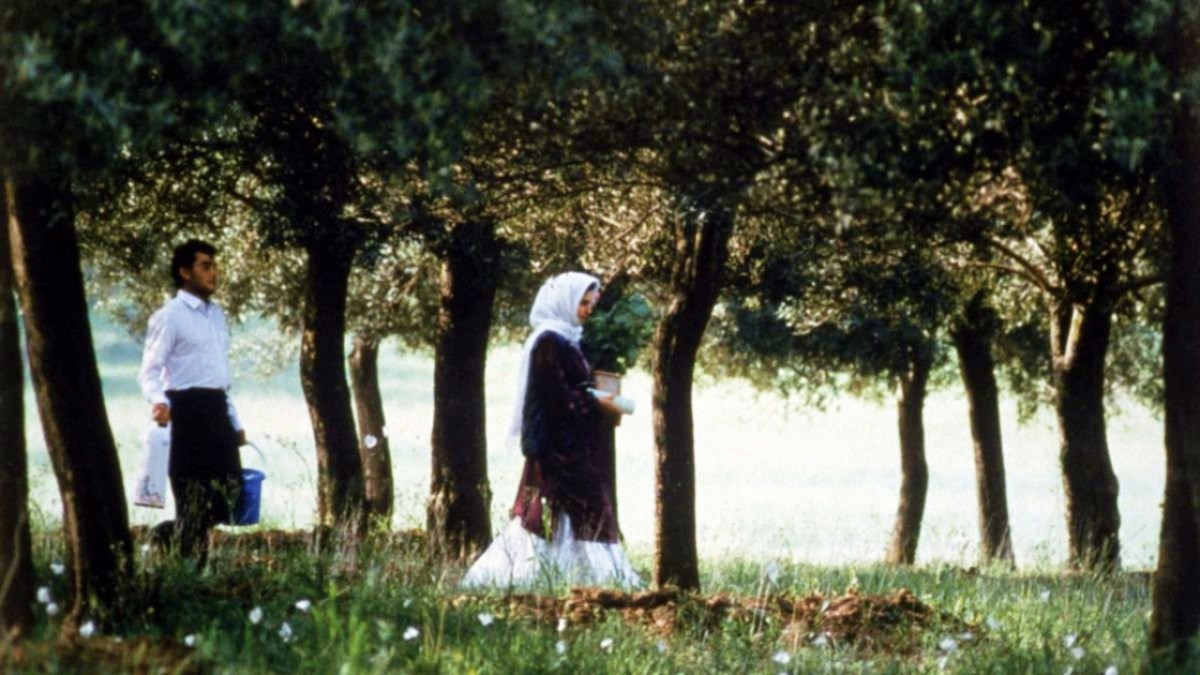
Kiarostami closes his wondrous ‘Koker’ trilogy with an even more multi-layered, meta-cinematic experiment in the guise of a love story.
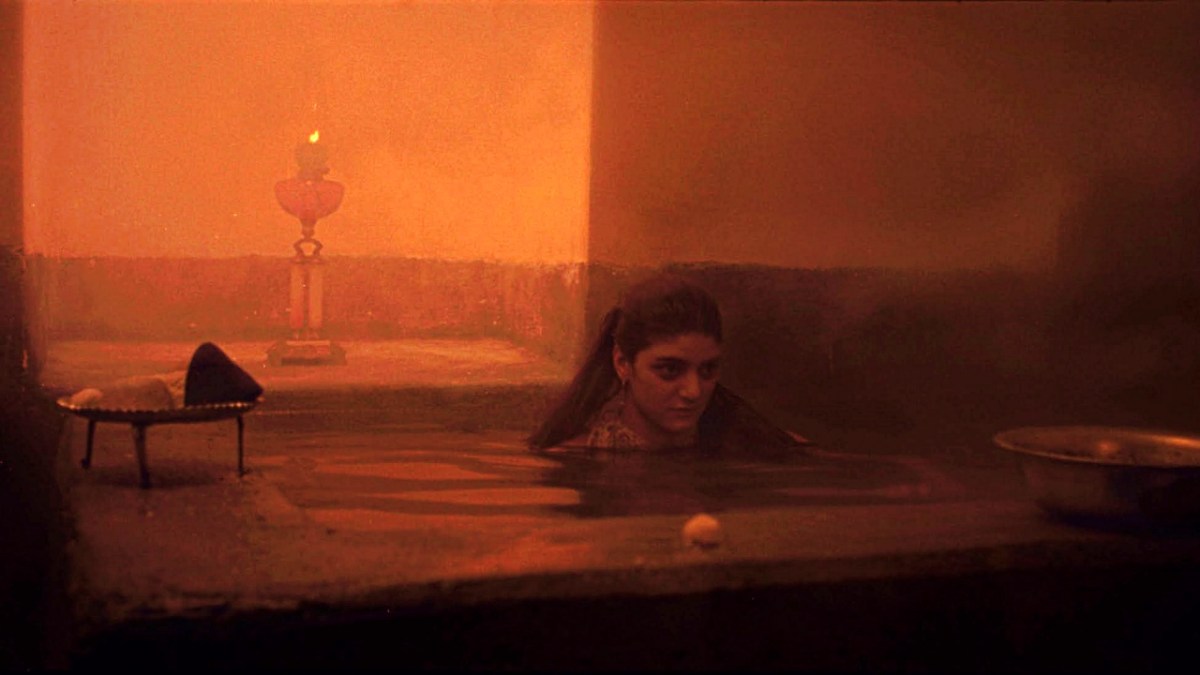
This banned and long-lost Iranian debut feature, boosted by a stunning restoration, is a genuine eye-opener—subversive, progressive, and a formidable take on how power and greed are symptomatic of patriarchy and nobility.

Extraordinary docu-fictive filmmaking by Kiarostami as the second part of his ‘Koker’ trilogy brings us to the aftermath of the devastating 1990 Manjil-Rudbar earthquake via a skillfully deceptive meta-cinematic device.

Certainly not short of mainstream appeal, Majidi’s new Iranian drama centers on the subject matter of children and forced labour as it builds a narrative around a secret heist in an unsuspecting school.

Majid Majidi’s Berlinale Best Actor winner is a largely assured drama centering on the rural-urban divide in Iran through the eyes of a poor family.

One of Makhmalbaf’s finest moments as a filmmaker, this meta-filmic exercise in reconciling with his own personal history is both poetic and introspective, and features one of cinema’s most revelatory ending shots.
 Eternality Tan