




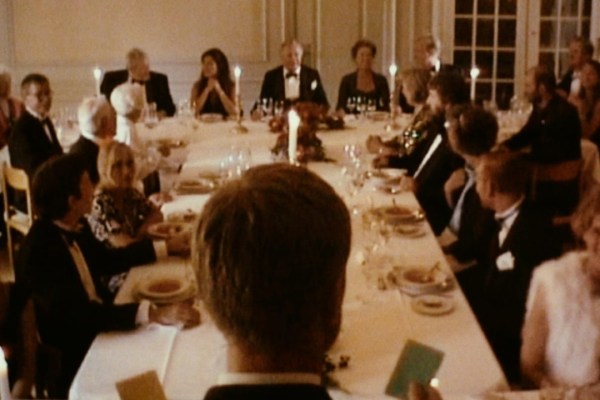

My favourite feature debut from the French New Wave—an extraordinary meditation on trauma, memory and love as Resnais merges the historical, geographical and the personal in an intelligent and sensuous way.
Continue reading →

My favourite feature debut from the French New Wave—an extraordinary meditation on trauma, memory and love as Resnais merges the historical, geographical and the personal in an intelligent and sensuous way.

Sexual politics and sociopolitics dovetail in Bunuel’s mesmerising final film, featuring two actresses taking turns to play the female lead.

A bold and stunning effort by Bunuel that explores with psychological depth both sexual repression and expression from the perspective of a sexy but frigid young woman.

An assured feature debut from Mia Hansen-Løve who deals with the film’s father-daughter bond/estrangement with a clear-eyed sensitivity.

Magical yet haunting, Cocteau’s reimagining of the Orpheus myth in France during the Beatnik 1950s is a cinephile’s treat.

Arguably Rohmer’s most iconic ‘moral tale’—the plot of an older man’s fetish for a teenage girl’s bare knee makes for great philosophical musings about the nature of lust and love.

The great Jacques Audiard’s first English-language film entertains with strong performances by Joaquin Phoenix and John C. Reilly, tackling the Western genre with rare wit and verve.
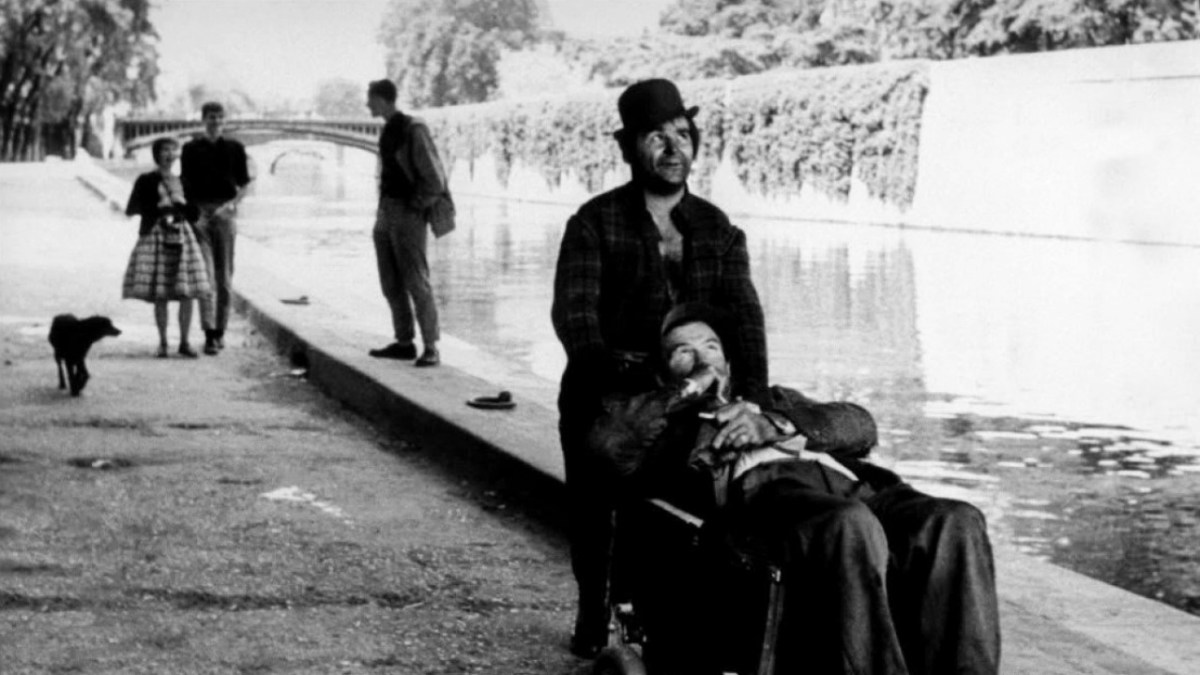
Rohmer’s first feature might not have been as lauded as his counterparts’ more groundbreaking works, but its exploration of luck (or lack thereof) through one man’s misery was arguably the closest a French New Wave film had been to acknowledging its neorealist influences.

Lust and personal resolve collide in Rohmer’s first feature in colour, lensed with warmth and sensuality by Days of Heaven’s Nestor Almendros.

This Cannes Palme d’Or winner is a masterful, humanistic attempt at capturing the issue of immigrants, through the perspective of a ‘family’ of Tamils at a transitory point in their lives.
 Eternality Tan