

This late-career work is one of Chahine’s better efforts—a largely engaging 12th-century epic about the dangers of religious extremism and the power that a humanist philosophy gives to its people.
Continue reading →


This late-career work is one of Chahine’s better efforts—a largely engaging 12th-century epic about the dangers of religious extremism and the power that a humanist philosophy gives to its people.

A riveting if underrated postmodernist tale by Jarmusch about the multiplicities and intersections of cultures new and old, starring an excellent Forest Whitaker as a hip-hop listening African-American hitman deeply influenced by the ancient mythos of the Japanese samurai.

Effortlessly mounted and conceptually strong, Lou Ye’s latest starring Gong Li is a dreamlike, meta-layered tale of espionage as the Allies attempt to one-up the Japanese in WWII Shanghai.

Feels modern in full-throttle blood-spurting style, yet also wholly in period with Shakespearean-speak – a violent, beautiful if occasionally emotionally distancing screen adaptation of the famous text.
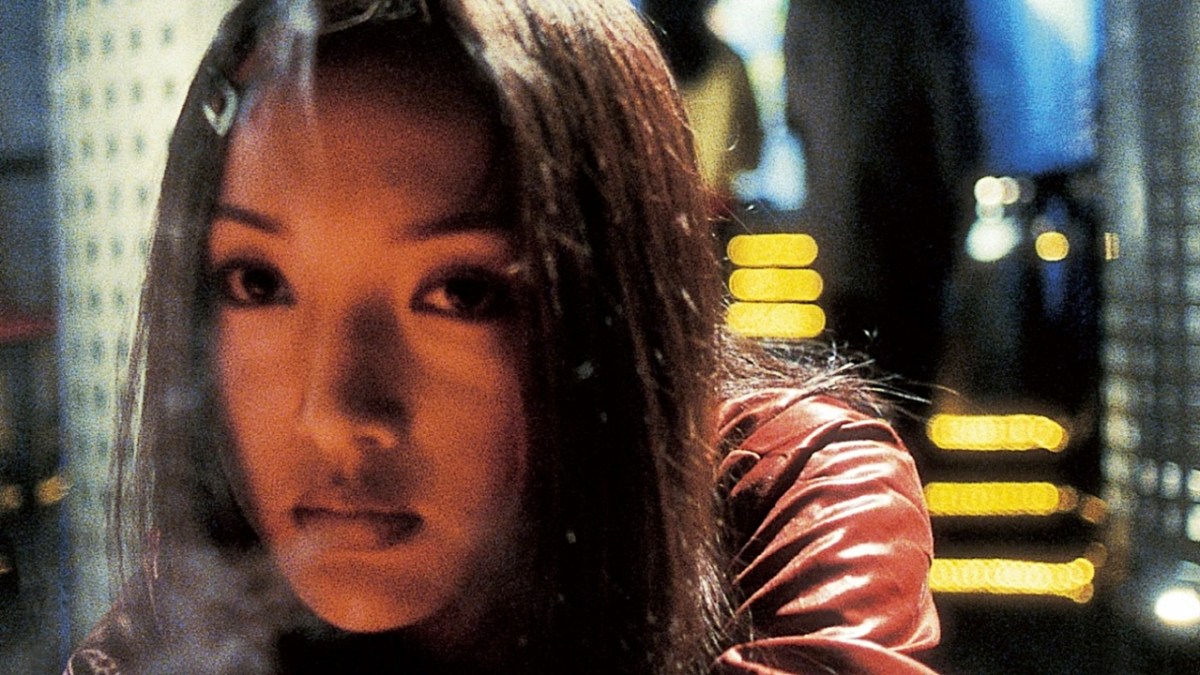
Lou Ye’s breakthrough is a risqué-lite affair, shot in a gritty, disjointed style that pays homage to Hitchcock’s Vertigo.

Inspired by Kiarostami’s ‘Taste of Cherry‘, this standout American indie about a young effervescent Senegalese taxi driver befriending a suicidal old man features two extraordinary, emotionally affecting performances from Souleymane Sy Savane and Red West.
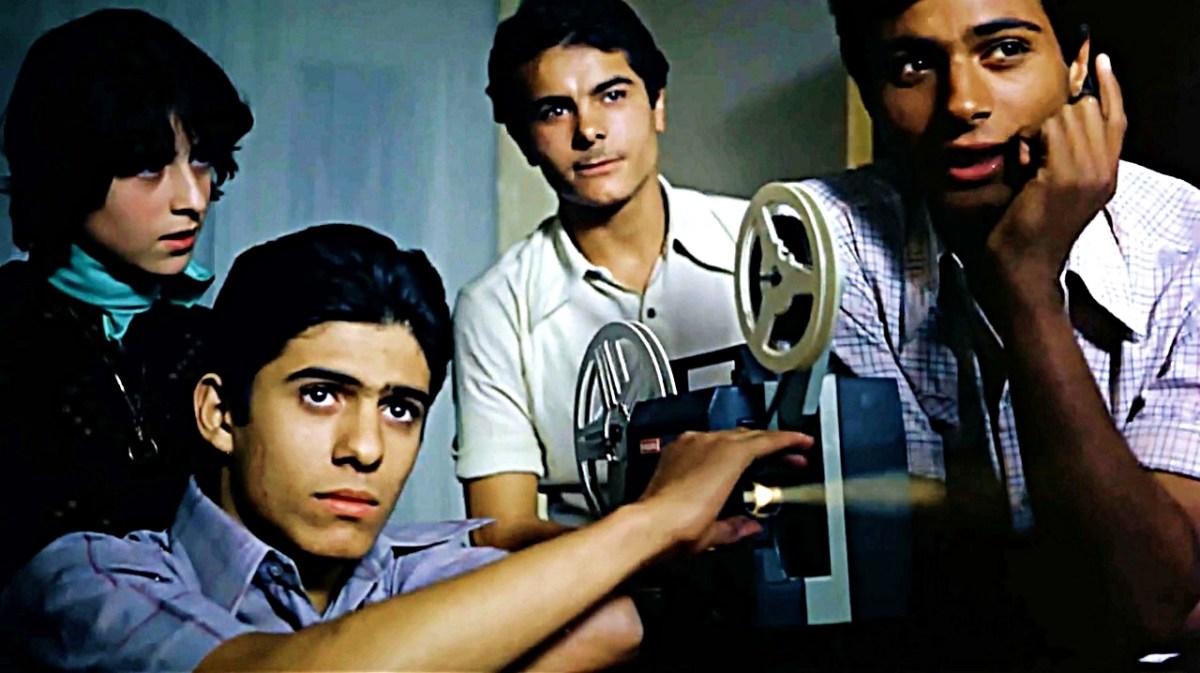
Chahine’s first autobiographical film enthrals and flounders at the same time, featuring a young Egyptian man in love with acting and the movies, as WWII rages on nearby.

Still banned theatrically in close-minded Singapore, this rousing, emotional work from Mani Ratnam about the conflicts stirred between the Hindus and Muslims is essential viewing for anyone who wants to understand why we must never bear religious and racial hatred.
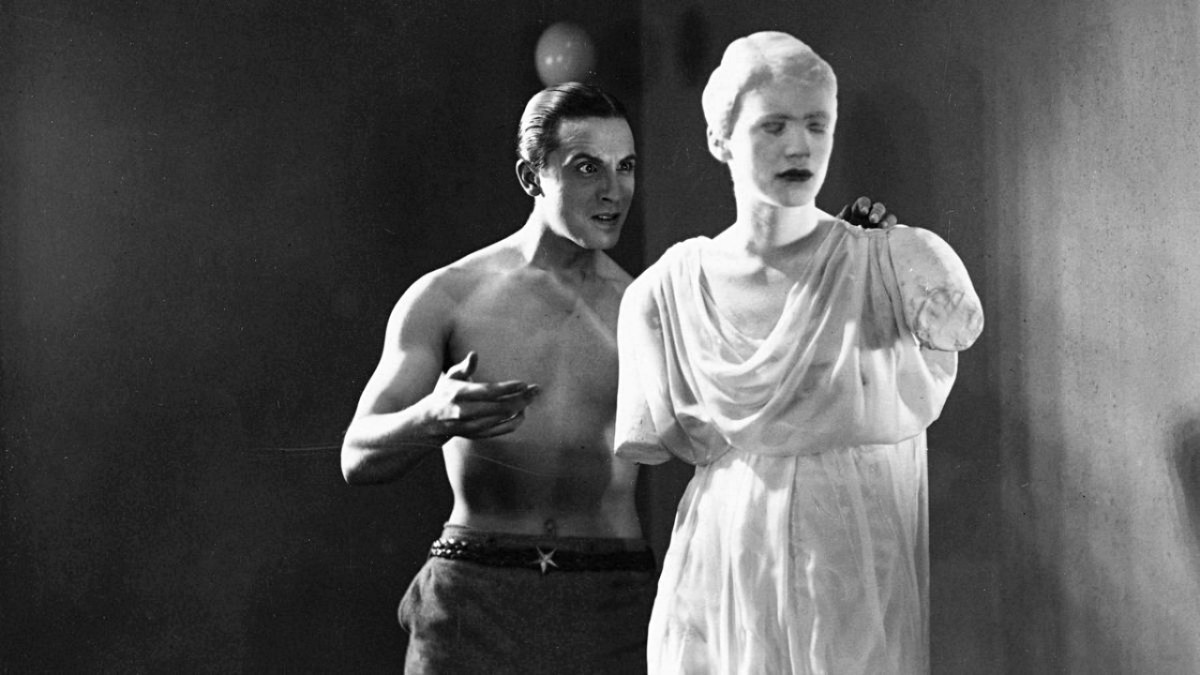
A key work of early surrealist cinema, Cocteau’s baffling if highly-imaginative avantgarde piece about the existential crisis of a poet is a treat for both the eyes and mind.
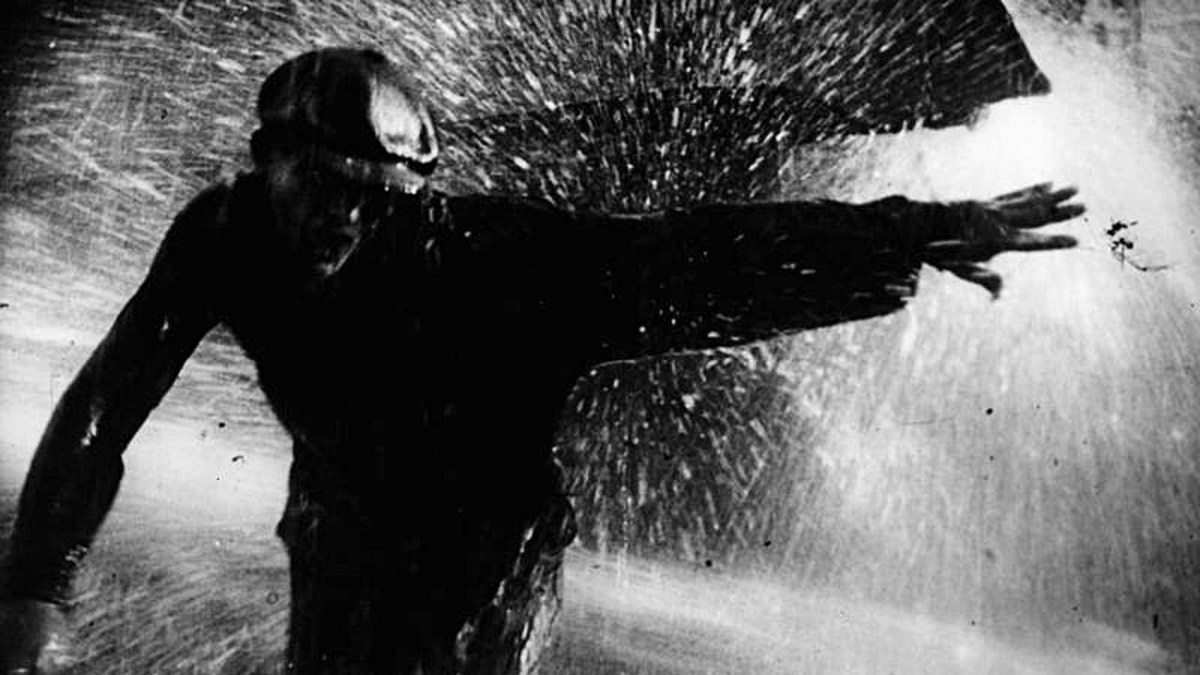
Still an astonishing debut by Eisenstein, this set the foundation for the Soviet director’s theorising and application of his montage ideas.
 Eternality Tan