







Wong’s expanded version of his short for the ‘Eros’ anthology is more erotic and fatalistic than usual, and also an aesthetic and thematic extension of the world he created with ‘In the Mood for Love’.
Continue reading →

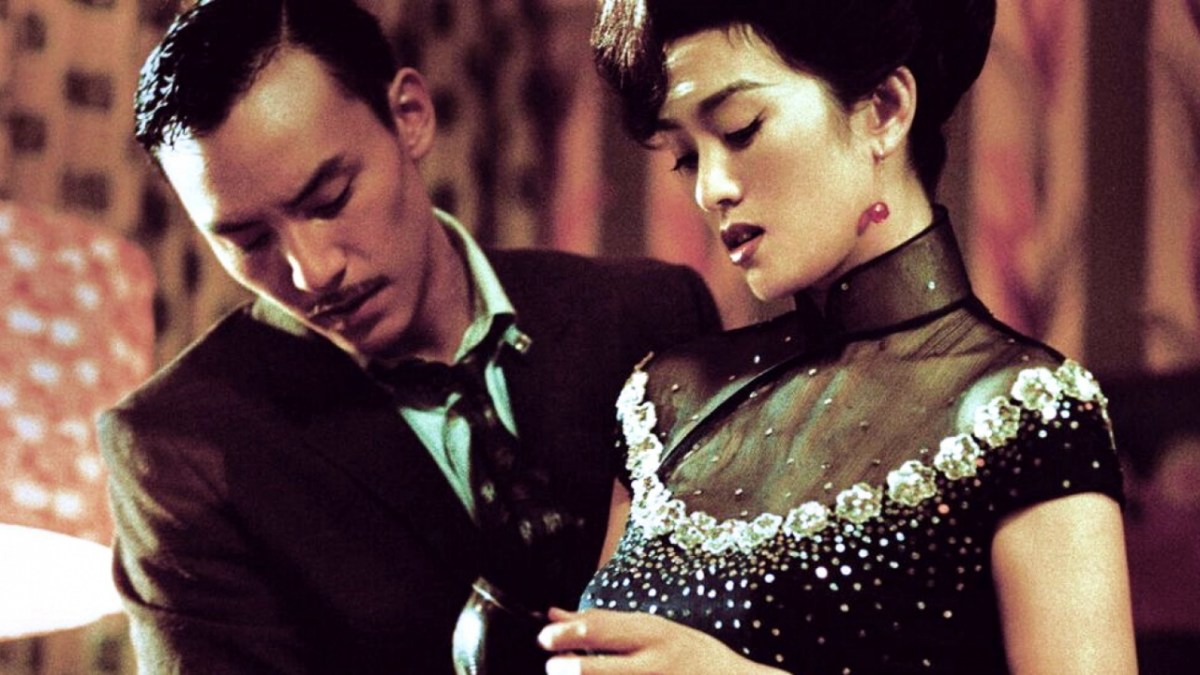
Wong’s expanded version of his short for the ‘Eros’ anthology is more erotic and fatalistic than usual, and also an aesthetic and thematic extension of the world he created with ‘In the Mood for Love’.

Generally entertaining political actioner about diamond smuggling in Sierra Leone, though it rarely escapes Hollywood’s fetishised view of a bloodshed-laden Africa.

A girl is forced to dress like a boy in Taliban-occupied Afghanistan to help her family make ends meet in this splendidly animated tale that perhaps relies too much on a parallel account of a mythical fantasy to work.

A David versus Goliath true story done right by Soderbergh, featuring two outstanding performances from Julia Roberts and Albert Finney.

Nuns of all kinds—caring, sadistic and lesbian—adorn Rivette’s controversial and sardonic sophomore feature about the ironies of religious faith, built around arguably Anna Karina’s most enigmatic performance.

Ridley Scott directs a rare crime-comedy in this sentimental flick starring an underrated Nicolas Cage as a germophobic con artist who must contend with the unexpected appearance of his long-lost daughter.

An explosives expert must fight a personal battle with alcoholism in this minor WWII effort from Powell and Pressburger, which features one of the most suspenseful bomb disarmament scenes in early black-and-white cinema.

As far as European crime mysteries about disappearances are concerned, this is one of the most unforgettable flicks of the ‘80s—a psychological thriller with an exacting disposition and a denouement that will haunt you for weeks.

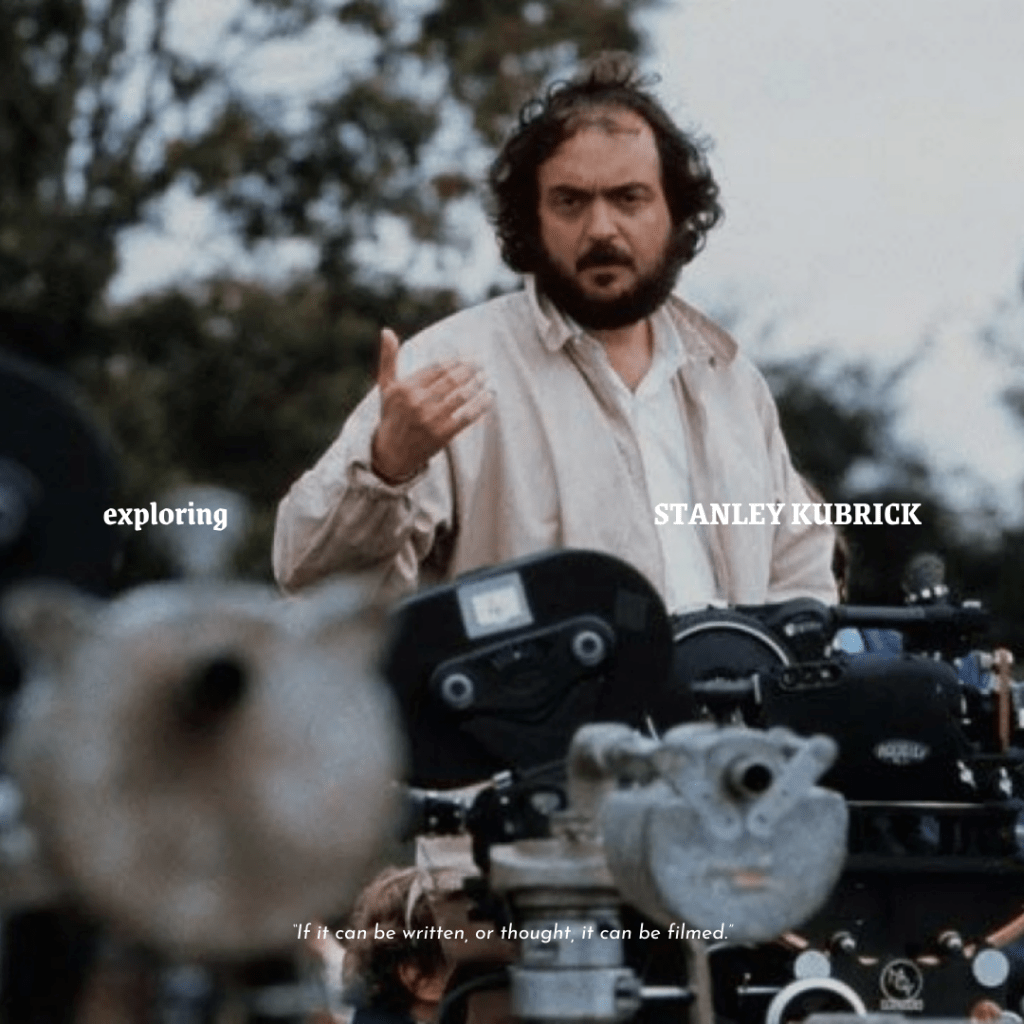
‘Exploring’ features the filmographies of filmmakers that I’ve completed and celebrates them on the week of their birthdays.
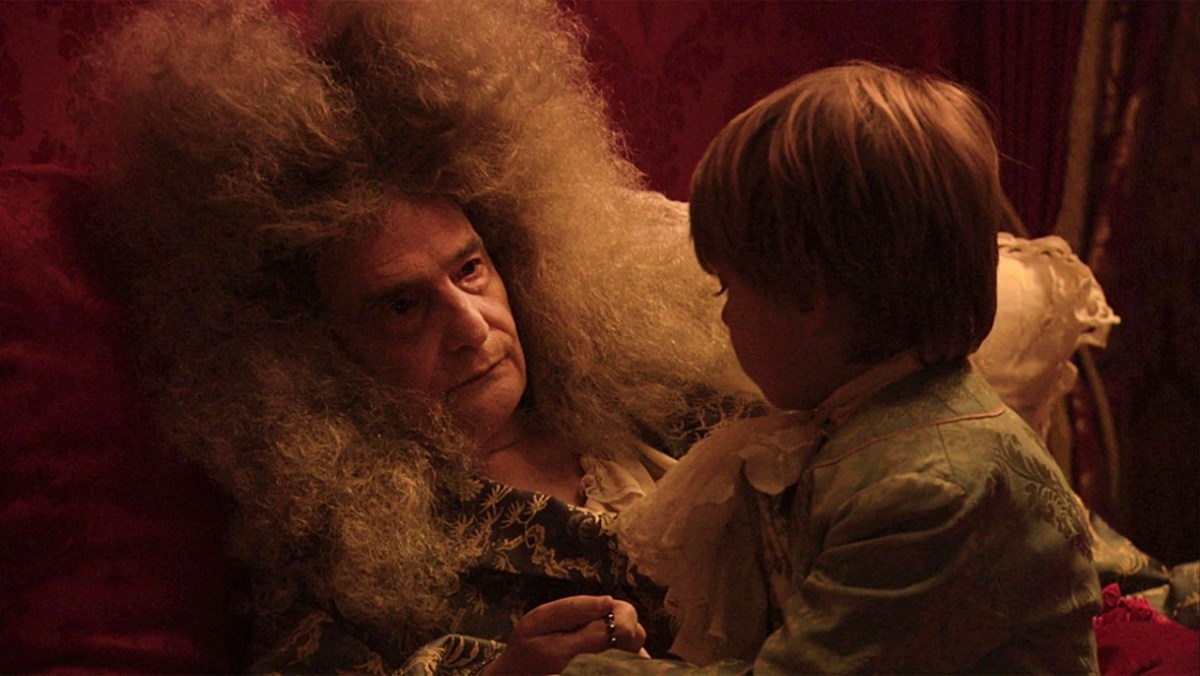
French New Wave icon Jean-Pierre Leaud lies bedridden for two hours in Albert Serra’s exquisite, slow-burning 18th-century take on the agonising final days of the famous Sun King, shot with such a high fidelity to history that one might mistake it for documentary authenticity.

