



Eschewing narrative economy for an epic five-act saga, this prequel to Fury Road is a different beast of a film, focusing first on drama and then action, effectively deepening the mythos of the Wasteland.
Continue reading →


Eschewing narrative economy for an epic five-act saga, this prequel to Fury Road is a different beast of a film, focusing first on drama and then action, effectively deepening the mythos of the Wasteland.

Dreary yet comforting and a brilliant example of how to tell a story with poetic economy, this is a near-perfect work by Kaurismaki about a miner who loses his job but inadvertently encounters a parking attendant whom he falls in love with in the drollest possible way.

As per tradition, I will give out imaginary awards to the films that I love most or hold in high regard from the preceding year.
Continue reading →
Sublime, meditative yet elusive, Hamaguchi’s ecological drama isn’t that simple a concoction about capitalist expansion and its impact on the marginalised, exploring its theme on a more primal, anterior level.

Article: Judi Dench on trigger warnings: if you’re that sensitive, avoid the theatre
The same applies to cinema. But it’s a chicken-and-egg situation. I hate content-related trigger warnings as they affect how I want to take a film in, so naturally I’m in the anti-camp.
Continue reading →
One of the greatest films of all time, Spielberg’s masterstroke was projecting narrative uncertainties against an acute sense of historical certainty that was the Holocaust, resulting in a work that is harrowingly tense but also imbued with moments of cathartic empathy.

The heartiest of congratulations to my ‘long time no see’ buddy, Chiang Wei Liang, whose film, Mongrel (2024), won the Cannes Camera d’Or – Special Mention Award.
Continue reading →
Aparna Sen’s first feature is a well-tuned Indian melodrama about the relationships that define and change us as a tender-hearted teacher lends her apartment to an ex-student and her boyfriend.

Told in reverse chronology, this is a masterpiece that deals with South Korea’s ‘80s military dictatorship and its ensuing socioeconomic changes, and does it with such profound emotional and psychological clarity.
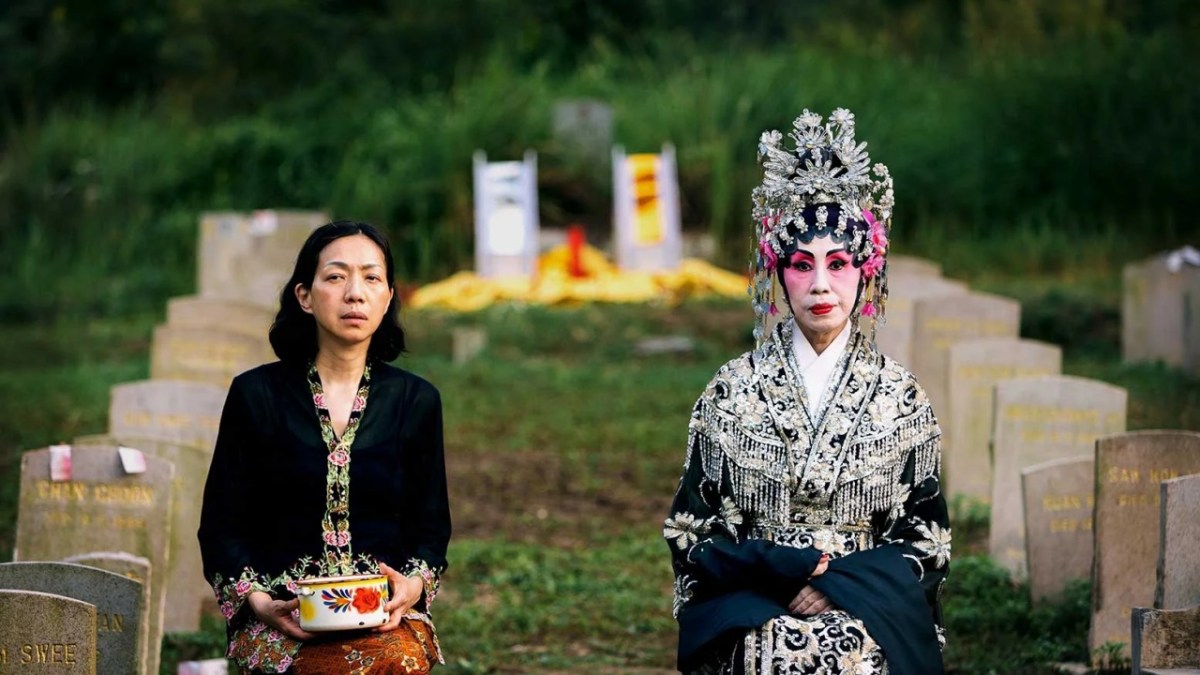
Malaysia’s taboo but painful ‘513’ incident is tackled through Chong’s sophomore feature, an exceptional work that shrewdly uses a diptych narrative structure to delve deeper into unresolved trauma.

