






The enfant terrible of contemporary Japanese cinema gives the ‘Roman Porno’ series by Nikkatsu a cheeky middle finger with this ultra-bizarre, pretentiously-feministic meta-film.
Continue reading →

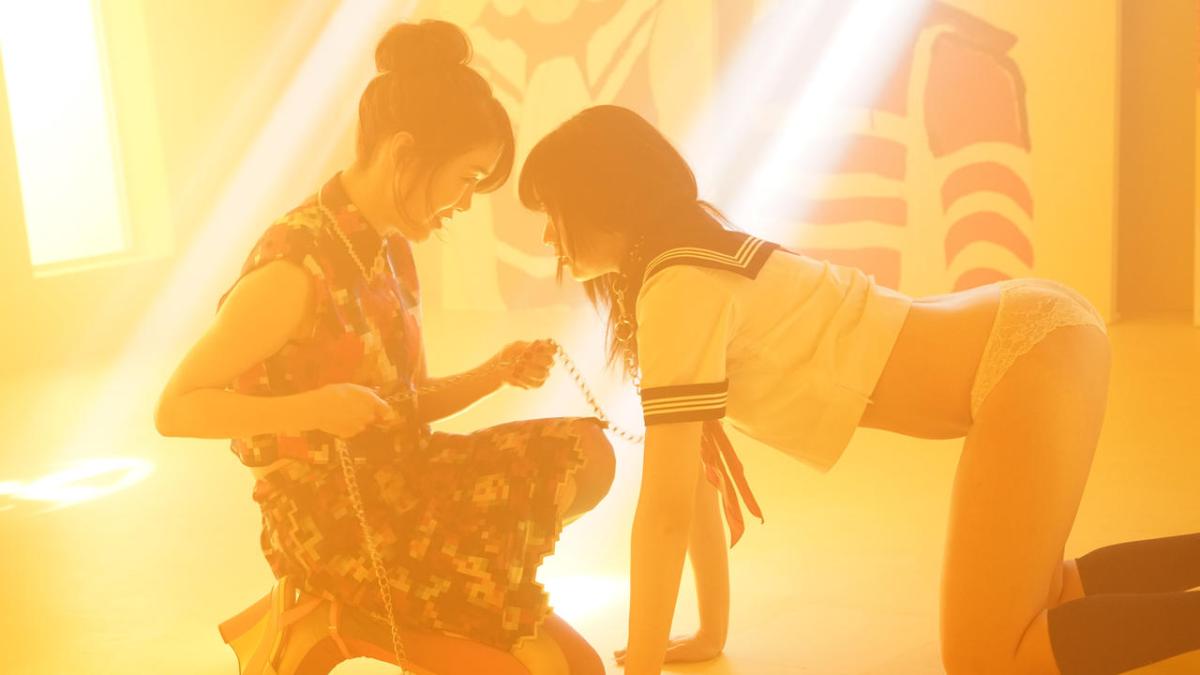
The enfant terrible of contemporary Japanese cinema gives the ‘Roman Porno’ series by Nikkatsu a cheeky middle finger with this ultra-bizarre, pretentiously-feministic meta-film.

Loads of explicit sex and misogyny wrapped in this study on sexual degradation and the politics of the (female) body, but wished it was more gripping.

A quiet and subtle drama about old age and adapting to new dynamics of a decades-long marriage, backed by a superb performance by Julie Christie.

A docu-fiction that may not be as fully-formed as Tsai’s previous films, but still feels somewhat rewarding if you surrender to its modulated slow cinema style.

Some pacing issues aside, Tarantino’s only screen adaptation mostly works because of our faith in his characters and where he takes them to.

Costa-Gavras sets his sights on Latin America in this superbly-constructed political-thriller that raises questions about the United States’ complicit involvement in counterinsurgency, torture and violence.
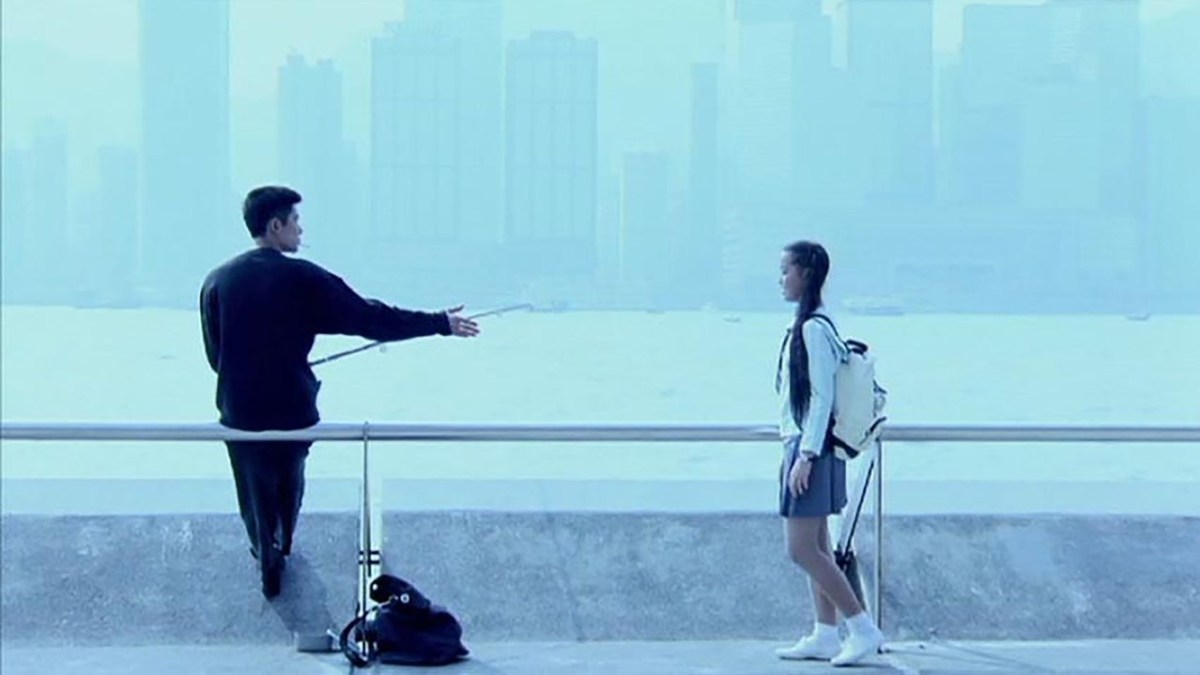
A Japanese man and a Hong Kong schoolgirl try to find meaning in their lonely existence as they are faced with uncertainties of the future in this thoughtful and introspective drama.

In this quite assured feature debut, Arvin Chen explores not so much true love at first sight, but rather the site of first true love.
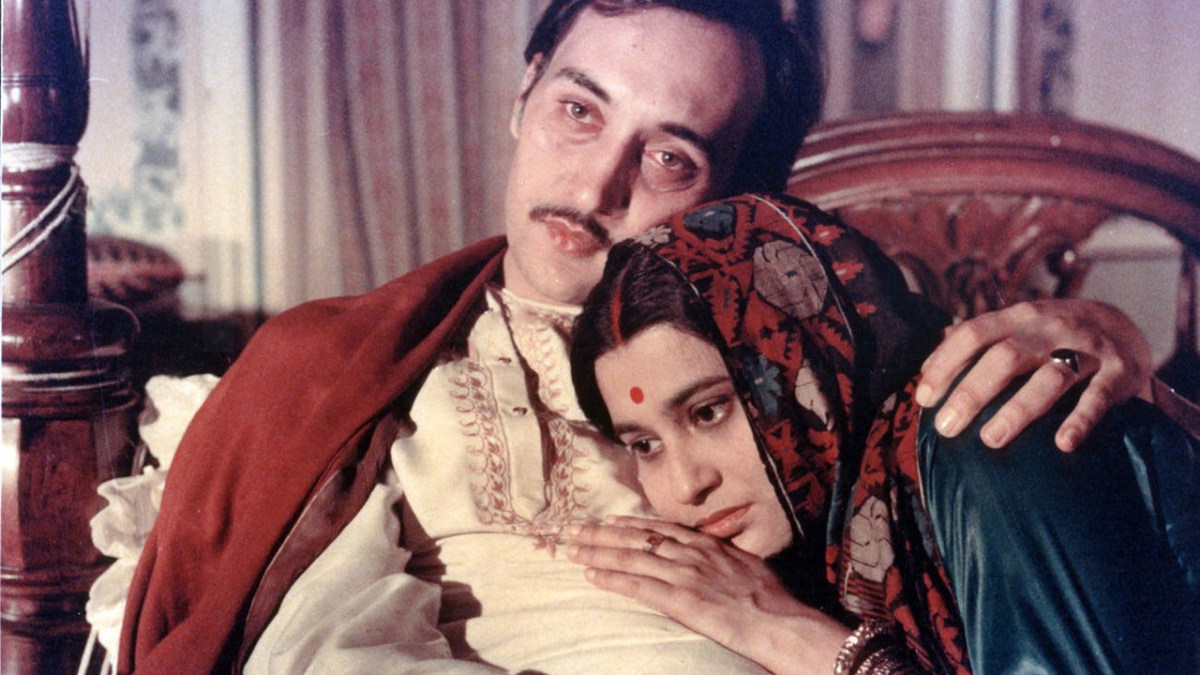
Ray’s third adaptation of Rabindranath Tagore’s work late on in his career is a quietly-composed and deliberately-paced tale about the intertwining of domestic and national affairs.

One of Malle’s finest works, this restrained drama builds up slowly, only to leave you emotionally shattered by the end of it.
 Eternality Tan