




It doesn’t quite bring you to any substantive destination, but Haneke’s attempt at the dystopian apocalyptic drama tries to find compassion when there is absolutely none.
Continue reading →

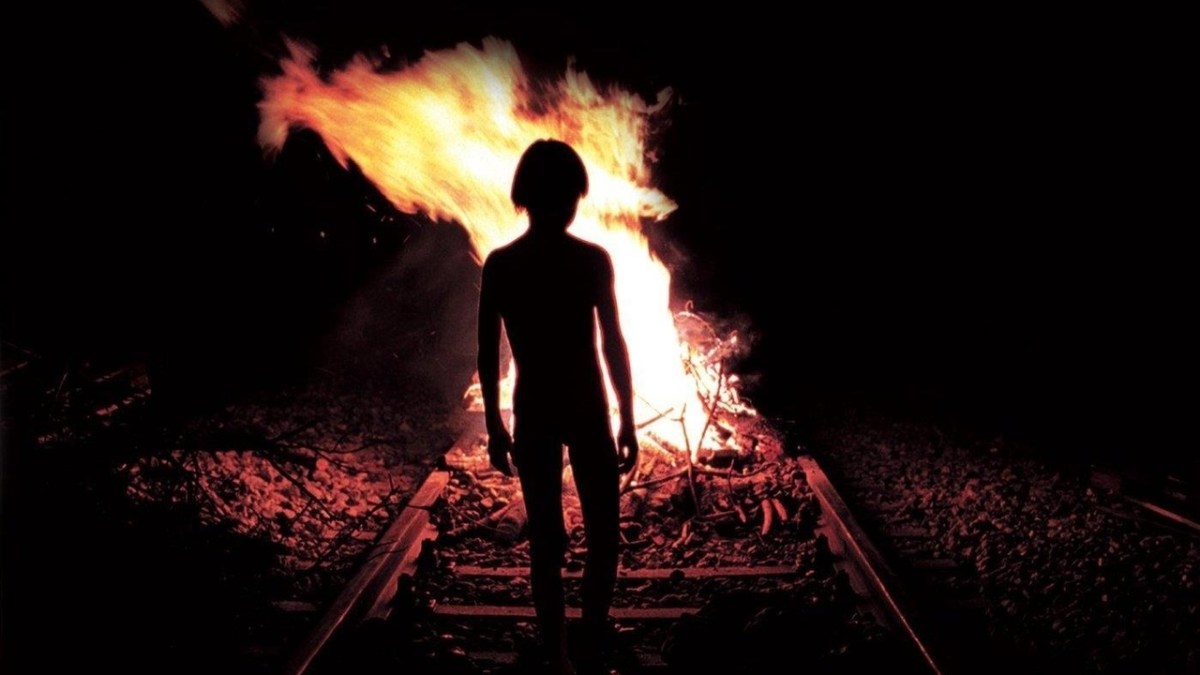
It doesn’t quite bring you to any substantive destination, but Haneke’s attempt at the dystopian apocalyptic drama tries to find compassion when there is absolutely none.

An (in)famous Buddhist temple is in crisis as religion meets politics at the heart of Thai society in this revealing documentary.

One of Wong’s most straightforward films is arguably his most mature, about the intimate kinship between two men.
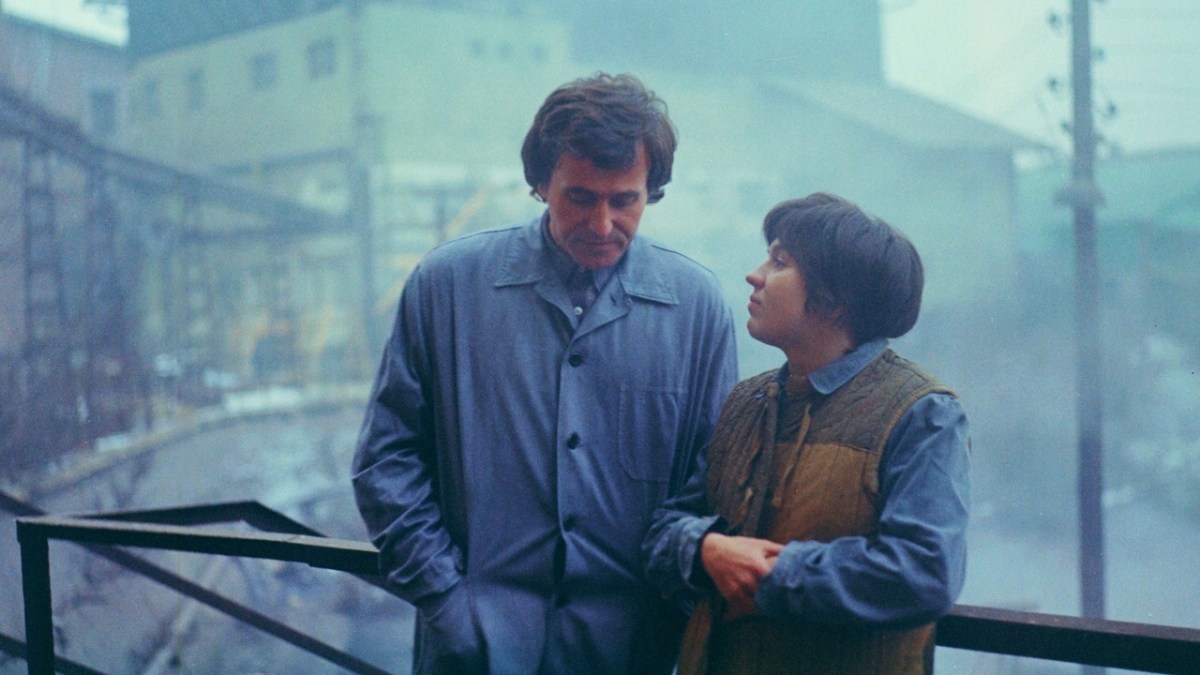
A strongly feministic work, albeit a rather cold one, about a young Hungarian woman who must navigate an industrial job, toxic masculinity and social norms of marriage and child-rearing, directed with quiet authenticity by Marta Meszaros.
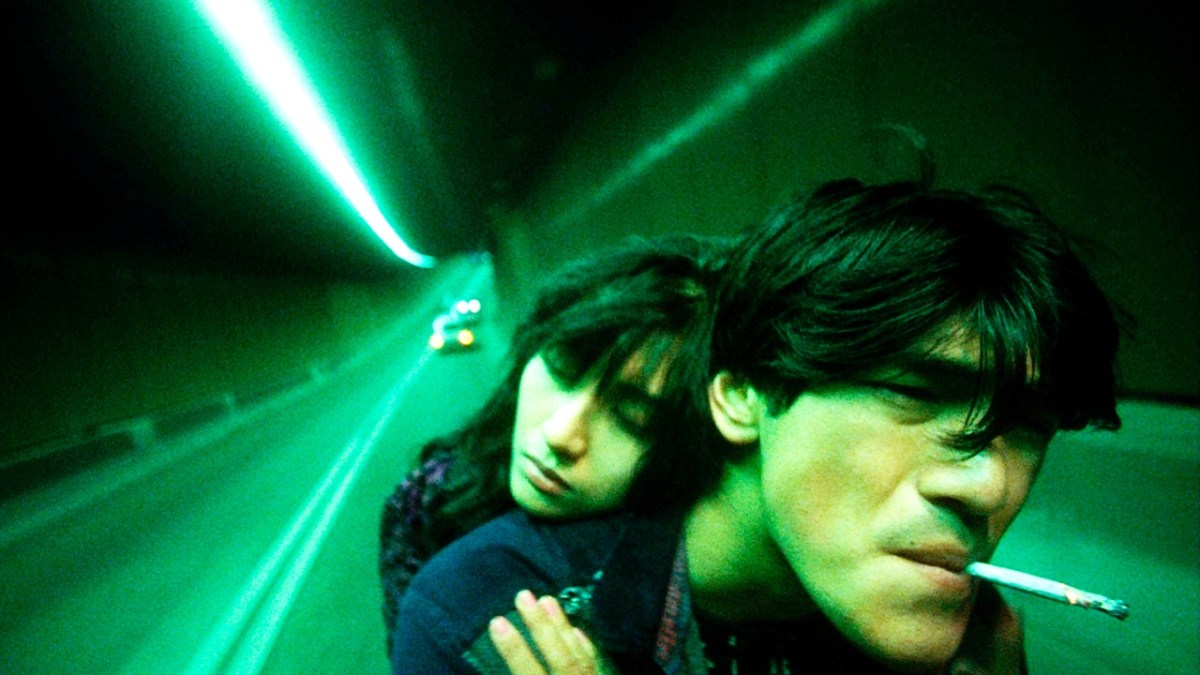
It may be difficult to connect emotionally, but this darker companion piece to ‘Chungking Express’ (1994) has all the hallmarks of Hong Kong’s premier visual stylist.
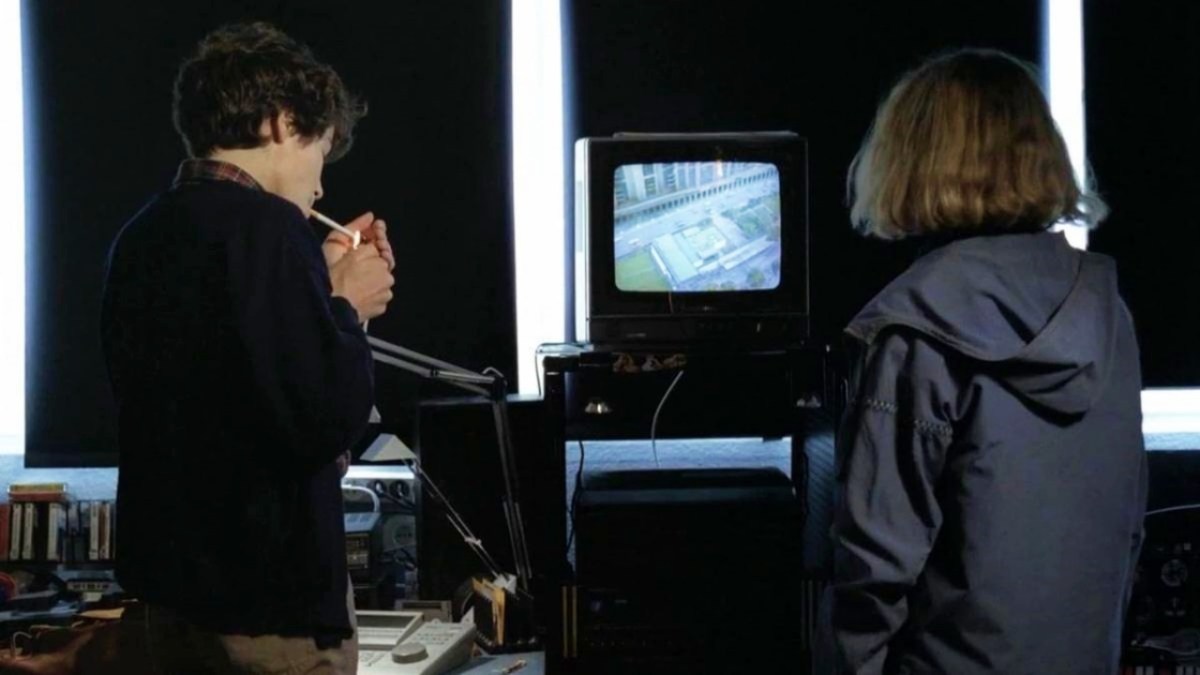
Prefiguring the likes of ‘Funny Games’ and ‘Cache’, Haneke’s second feature is a challenging and disturbing work on media violence and its psychological ramifications.

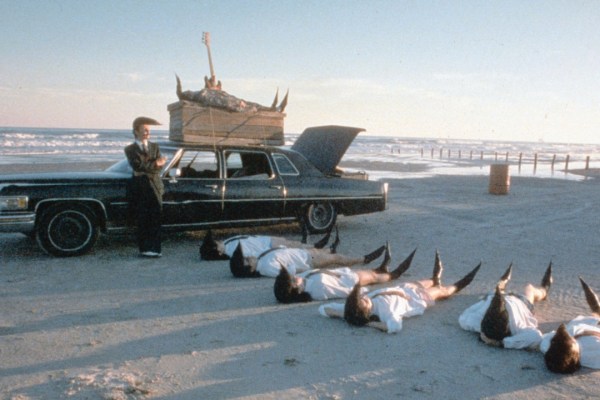
A solid, uncompromising theatrical debut by Haneke, one that would see the auteur continue to shock and challenge audiences in different ways for the next two decades.

Zhang’s latest, an espionage thriller set in 1930s Manchuria, mostly works as a violent, intricately-plotted genre exercise about spies and traitors.

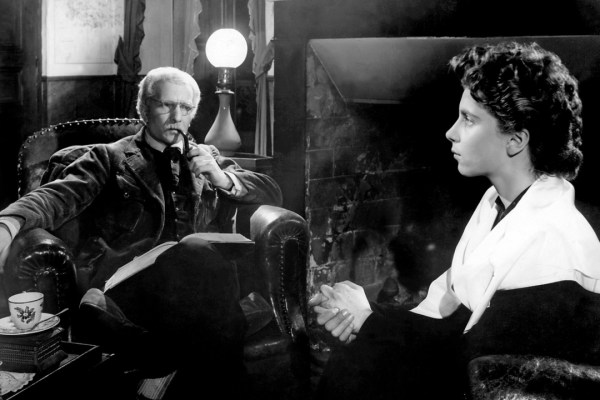
One of David Lean’s finest early works, this is a heartrending exploration of the joy and torment of an impossible love, as experienced giddily in a chance encounter by two strangers who are already married.
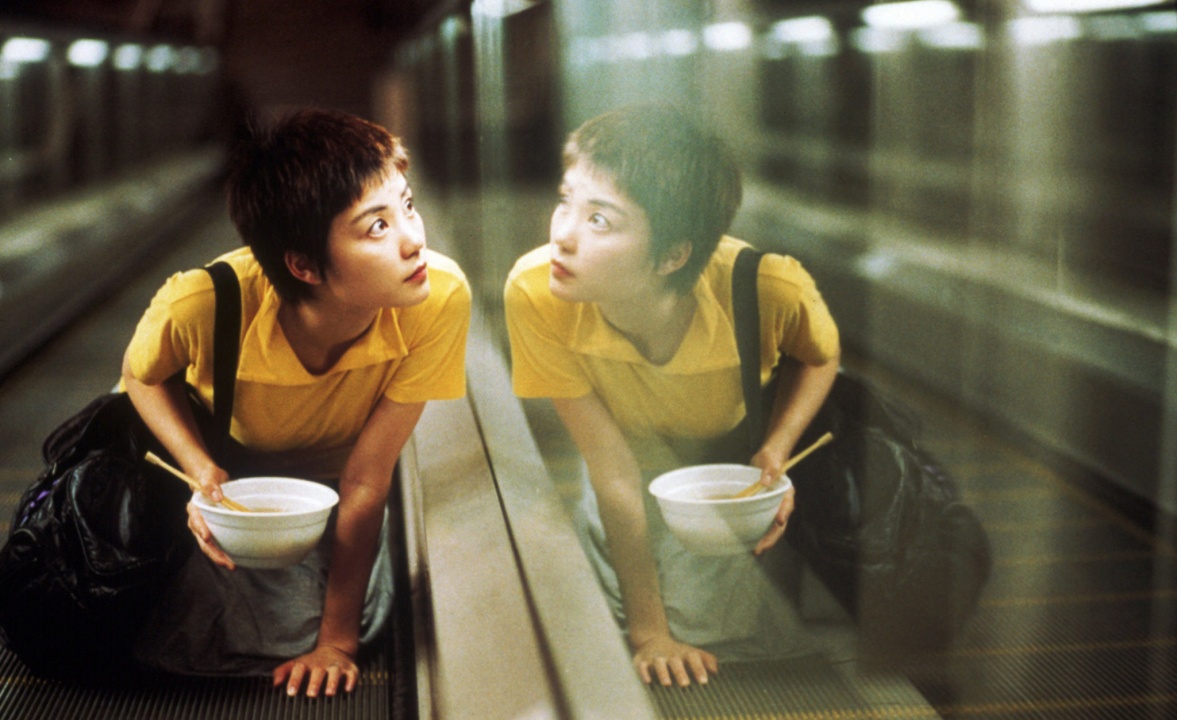
Wong’s influential international breakthrough is fascinating, sensual and carefree, and an essential Hong Kong classic from the ’90s.
 Eternality Tan