




This is one of the franchise’s most daring entries—bloodier, gorier and more morally ambiguous.
Continue reading →


This is one of the franchise’s most daring entries—bloodier, gorier and more morally ambiguous.

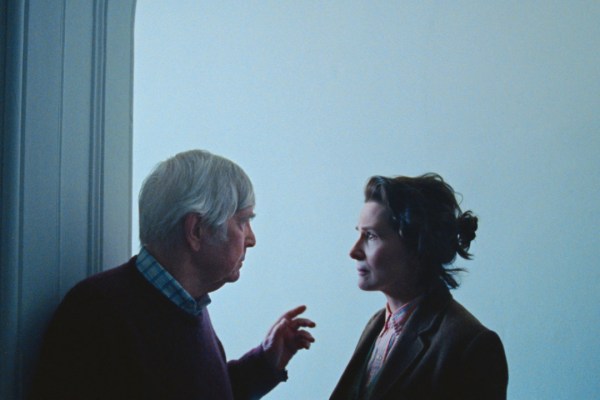
It draws heavy inspiration from the 1962 indie horror ‘Carnival of Souls‘, but the storytelling and execution are unmistakably Petzold’s as he tackles failed dreams and false hopes in this slow-burning psychological biz thriller.
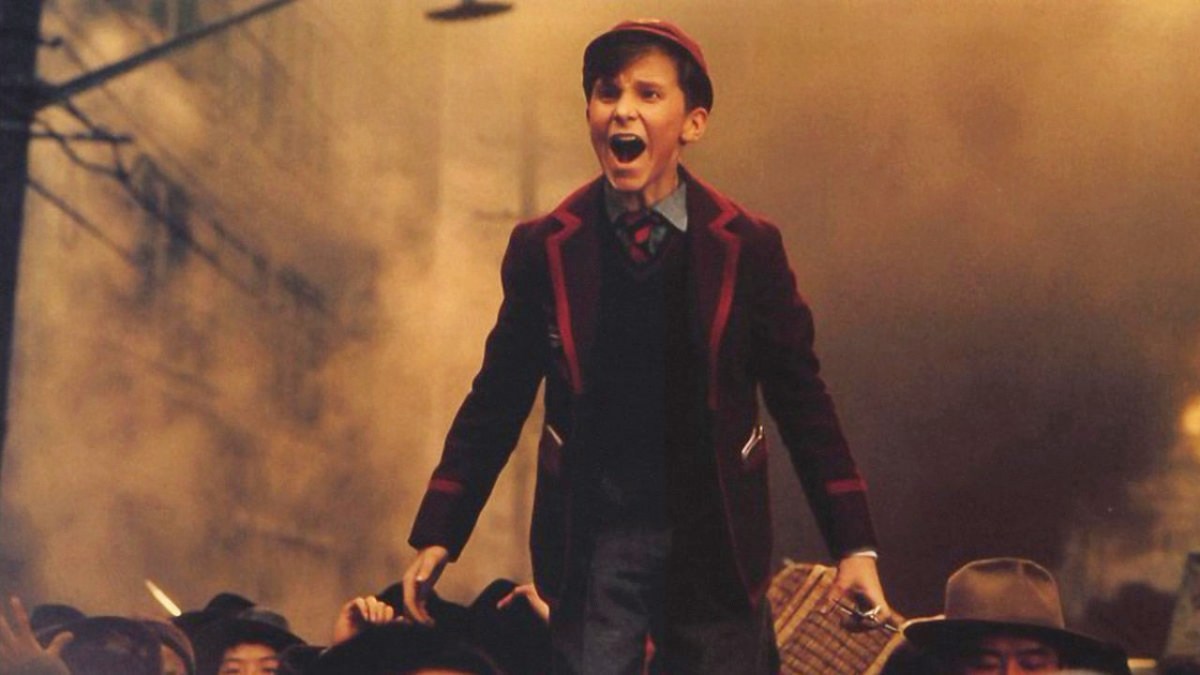
Has its moments of awe-inspiring grandeur, but the film is unable to sustain in its final act despite Spielberg’s assured direction.

Football as cinema, if only barely, as the director and his father talk about the latter’s refereeing of the game, and by extension, Romania’s late ‘80s political history in this uneventful and uncompelling documentary.

Denis’ semi-autobiographical feature debut sees her reflect on the distant colonialist memory of being a white girl living in Cameroon, in a filmmaking style that is unmistakably hers—sensual, tactile and poetic.

Not as powerful or involving as Meszaros’ previous semi-autobiographical ‘Diaries’, but as an opportunity to grasp how the 1956 Hungarian Revolution impacted and divided its people, it does an adequate job.

This inspirational Oscar-winning documentary shows us that nature is our best teacher—that we are fully capable of adapting and changing for the better if only we had the wisdom to do so.

Spielberg’s overdrawn drama is a safe if underwhelming adaptation of Alice Walker’s landmark novel.

It’s not exactly a special film and gets bogged down by a narrative that is far more predictable than you think, but there’s a certain charm to how this alcohol-meets-schoolteachers drama plays out, backed by an indelible turn from Mads Mikkelsen.
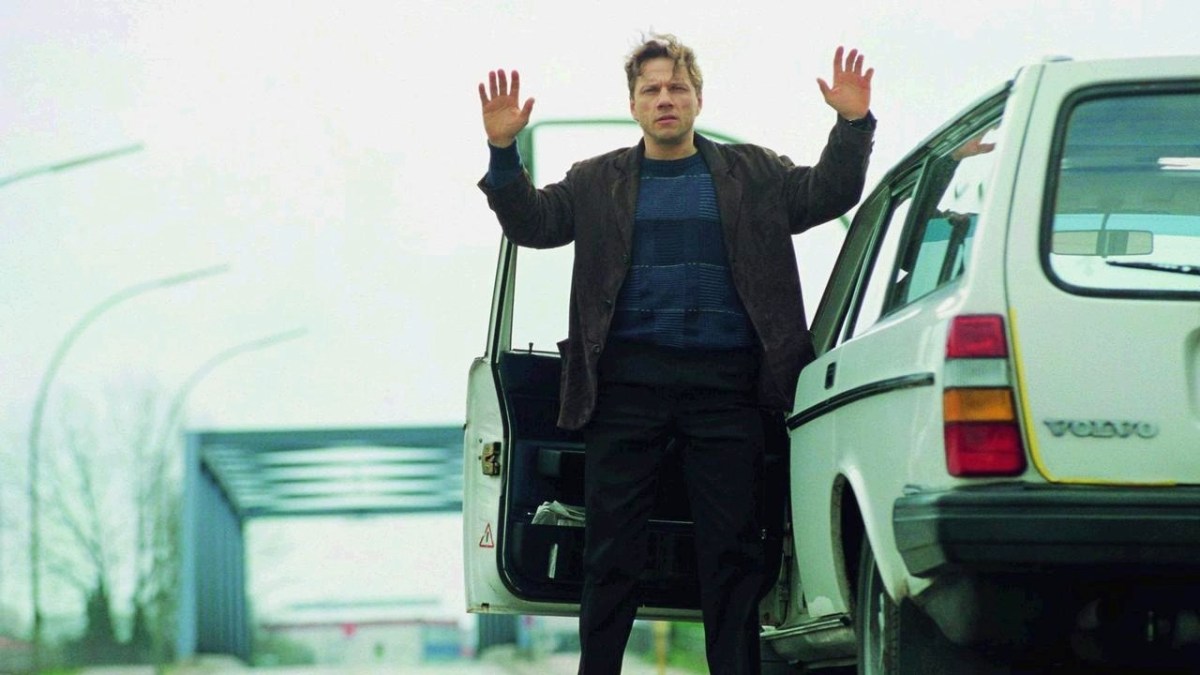
A teenage girl and her parents who are far-left terrorists on the run are the focus of this promising and largely riveting feature debut that combines coming-of-age tropes with crime and politics, while at the same time turning some of these conventions upside-down.

