


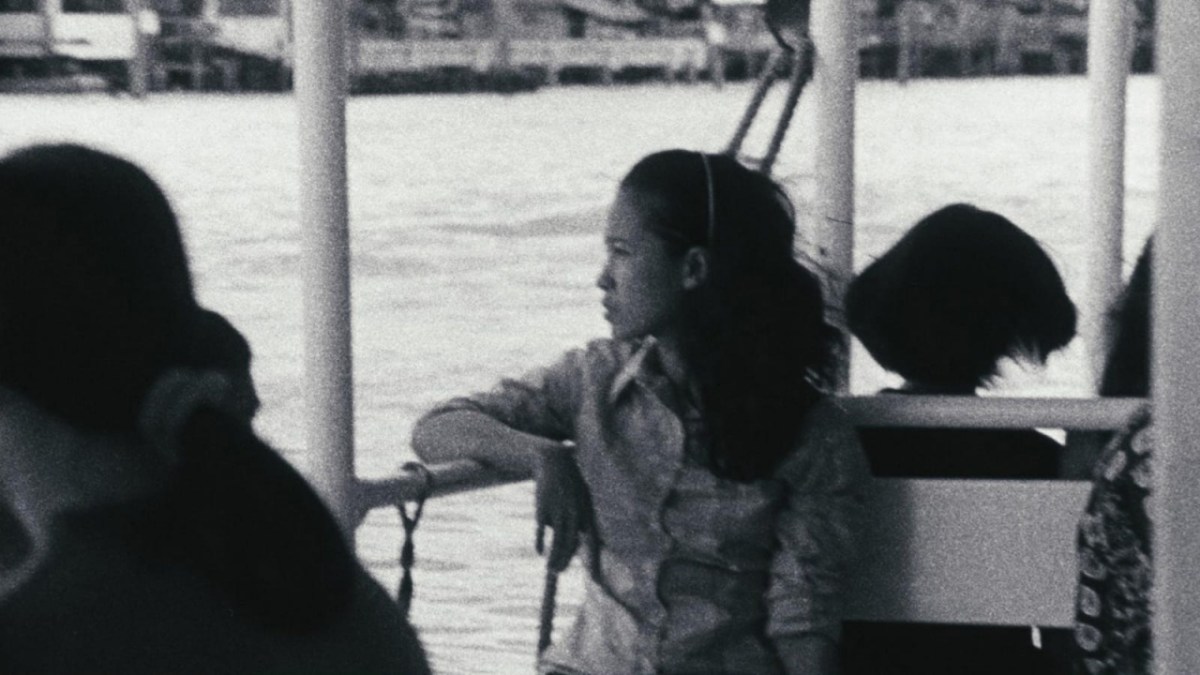
Weerasethakul’s debut feature is like a living folk tale, a radical blend of documentary and fiction, shaped through the surrealist ‘exquisite corpse’ method as ordinary Thais collectively spin an evolving story.
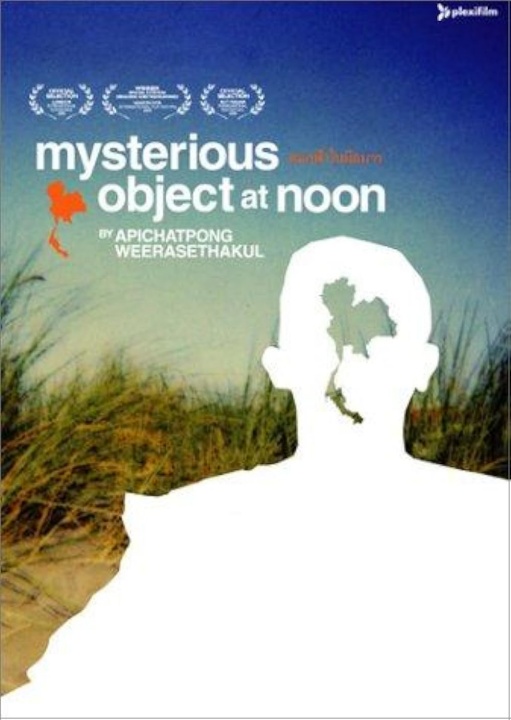
Review #3,033
Dir. Apichatpong Weerasethakul
2000 | Thailand | Drama, Documentary, Experimental | 89min | 1.37:1 | Thai & Sign Language
PG (passed clean)
Cast: Duangjai Hiransri, Somsri Pinyopol, Kannikar Narong
Plot: A camera crew travels through Thailand, asking villagers to invent the next chapter of an ever-growing story.
Awards: Official Selection (Rotterdam)
Source: Kick the Machine
Accessibility Index
Subject Matter: Moderate – Exquisite Corpse Method; Storytelling & Mythmaking; Reality & Imagination
Narrative Style: Slightly Complex
Pace: Slightly Slow
Audience Type: Arthouse
Viewed: Criterion Blu-ray
Spoilers: No
Apichatpong Weerasethakul came into my radar when I was a student programmer back in the early 2010s. My team and I selected Syndromes and a Century (2006) for the Perspectives Film Festival in 2011, and were considering Mysterious Object at Noon the year before.
Though I had seen clips of it and read so much about the director’s approach to constructing the narrative, I never actually watched the entirety of his debut feature. Well, it took me more than a decade to finally dive into it.
To see a young artist freely experimenting with form, structure, and the audiovisual experience is one of the great joys of cinematic appreciation.
With Noon, Weerasethakul did more than just that—he opened up the potentialities of storytelling to the very people he was documenting, as he reportedly travelled from North to South Thailand to gather material.
“What else can I tell you, real or fake?”
Using the exquisite corpse method, first developed by the surrealists in the early 20th century, where each new person contributes to and continues an evolving story, the director mixed observational documentary style with fiction, the latter narrated, partly performed (on a makeshift stage in a rural village in one dazzling sequence) and even communicated via sign language by two deaf students.
The result was something even experienced cineastes had never seen before, like a living folk tale. Coupled with its unique Thai context (of topography, cultural rituals, and well, the incredible imagination of the Thais’ collective ‘mythmaking’), the film heralded a new way of encountering the medium.
What I found most interesting about Noon was that it showed that even the most absurd idea could feel right if everyone believed in what they were making up as they went.
Weerasethakul would tap into this mysterious spring even more with his subsequent pictures like Tropical Malady (2004) and Uncle Boonmee Who Can Recall His Past Lives (2010), imposing a sense of radical departure from conventional wisdom, which ultimately feels right at home the more one puts faith in storytelling’s enigmatic nature.
Grade: A-
Trailer:
 Eternality Tan