


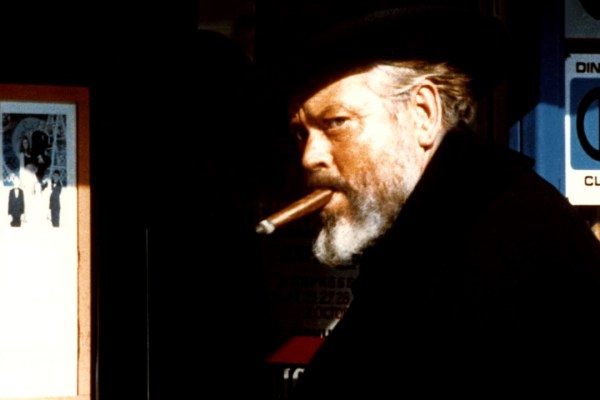






One of the holy grails of world cinema, there is an elusive, mythic halo cast over Erice’s ‘incomplete’ film, a memory piece about a daughter’s melancholy reflection of her secretive father during her post-Spanish Civil War days of childhood.
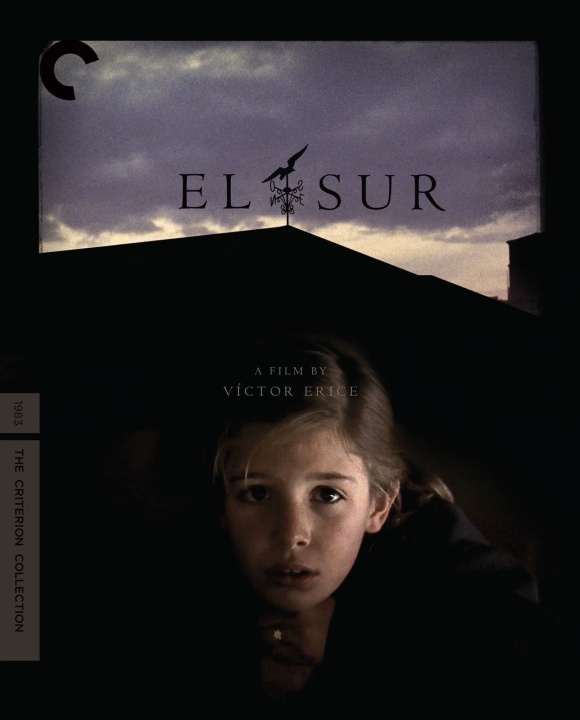
Review #2,857
Dir. Victor Erice
1983 | Spain | Drama | 94 min | 1.66:1 | Spanish
Not rated – likely to be PG13 for some thematic material
Cast: Omero Antonutti, Sonsoles Aranguren, Iciar Bollain, Lola Cardona, Rafaela Aparicio
Plot: Estrella adores her enigmatic father, Agustín. As she grows, she uncovers secrets that reshape her perception of him, altering their relationship.
Awards: Nom. for Palme d’Or (Cannes)
Source: Video Mercury Films
Accessibility Index
Subject Matter: Moderate – Father-Daughter Relationship; Post-Civil War Spain; Childhood Memories
Narrative Style: Straightforward
Pace: Slightly Slow
Audience Type: Slightly Arthouse
Viewed: Criterion Blu-ray
Spoilers: No
I’m convinced that if El sur’s producer Elias Querejeta hadn’t stopped production midway due to his insistence that the film was already ‘complete’ and hence no more funds would be pumped in, director Victor Erice could have made arguably the greatest Spanish film of all time.
In its current form, it is already one of the greatest films not just coming from Spain but a holy grail of the larger arthouse world cinema.
But setting aside this eternal painful lament about what could have been, Erice’s second feature after the similarly-lauded The Spirit of the Beehive (1973) is certainly essential viewing.
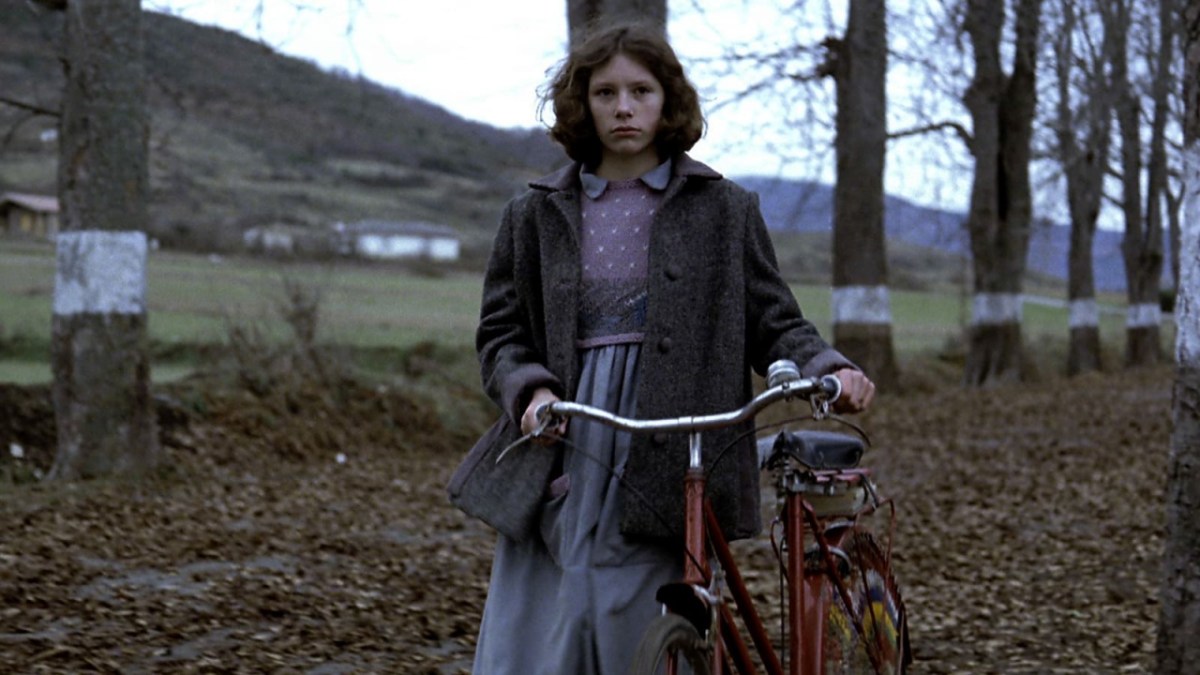
Estrella is a young girl living in the post-Spanish Civil War countryside of Northern Spain with her mother (a teacher blacklisted by the Franco regime) and a secretive father (a doctor with mysterious powers).
Narrated by an adult Estrella who reminisces her childhood days, El sur is primarily a memory piece about a daughter’s melancholy reflection of her father, whom she deeply misses.
It is also surprisingly nimble and accessible, its film language warm and inviting as Erice (with legendary cinematographer Jose Luis Alcaine, best known for his work with Almodovar) gives us one picturesque shot after another.
“From my hiding place, I challenged them with my silence.”
Its attention to light and shadow, as well as natural landscapes, is in the same spirit as Kubrick’s Barry Lyndon (1975) and Malick’s Days of Heaven (1978).
And so is Erice’s attention to sound—its opening sequence already carefully attunes us to it as Estrella wakes up to the faint sounds of a dog barking and her mother shouting in the distance.
In another sequence, my favourite, we hear Enrique Granados’ famous Spanish Dance No. 5 (Andaluza) on piano over a montage of postcards from the South.
‘El sur’ means ‘The South’, which Erice would have continued to shoot, but for better or worse, we don’t get to see that part of the film, which in turn, creates an elusive, mythic halo over the film.
A tale about time, personal recollection, regret, longing and guilt, El sur somehow emanates a presence of consolation, which is fitting as the novella that it was based on by Adelaida Garcia Morales (who was then Erice’s partner), begins with the following line: “Tomorrow, as soon as dawn breaks, I will go visit your grave, Papa.”
Grade: A
Trailer:
Music:
 Eternality Tan
Absolutely agree with your assessment, thank you!
LikeLiked by 1 person
Such an exceptional film indeed!
LikeLiked by 1 person