




Herzog’s take on the Count Dracula story may not offer any narrative surprises, but as a moody work of restrained horror marked by an oddly calm sense of foreboding, it exudes an earthier and organic feel.
Continue reading →
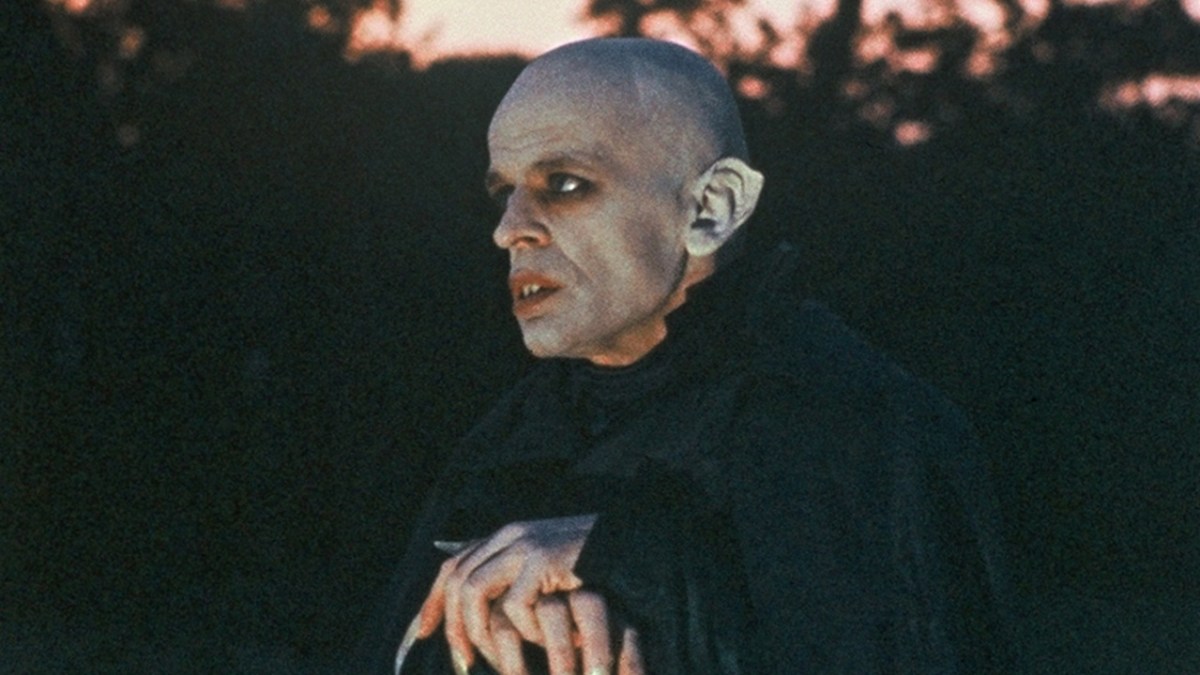
Herzog’s take on the Count Dracula story may not offer any narrative surprises, but as a moody work of restrained horror marked by an oddly calm sense of foreboding, it exudes an earthier and organic feel.

More educative than cinematic, Herzog’s documentary about technology, particularly the affordances and perils of the Internet, lacks the cutting-edge incisiveness of more well-developed treatises on the subject.

Despite not having a strong central focus and being rather all over the place—quite literally so as it covers volcanoes around the world—Herzog’s documentary remains eye-opening and culturally illuminating as it explores the myths and cults surrounding these fiery beasts of nature.

Herzog takes us into the inaccessible Chauvet Cave in Southern France containing the oldest drawings (more than 30,000 years old!) known to humanity in this fascinating lo-fi documentary about art transcending space and time.

While it may be rather underwhelming, Herzog’s gentle docu-fiction explores our need to connect with another human being despite the increasing commodification of human experiences in modern societies.

Herzog’s take on capital punishment from a humanistic standpoint – haunting, hopeful, and strange.
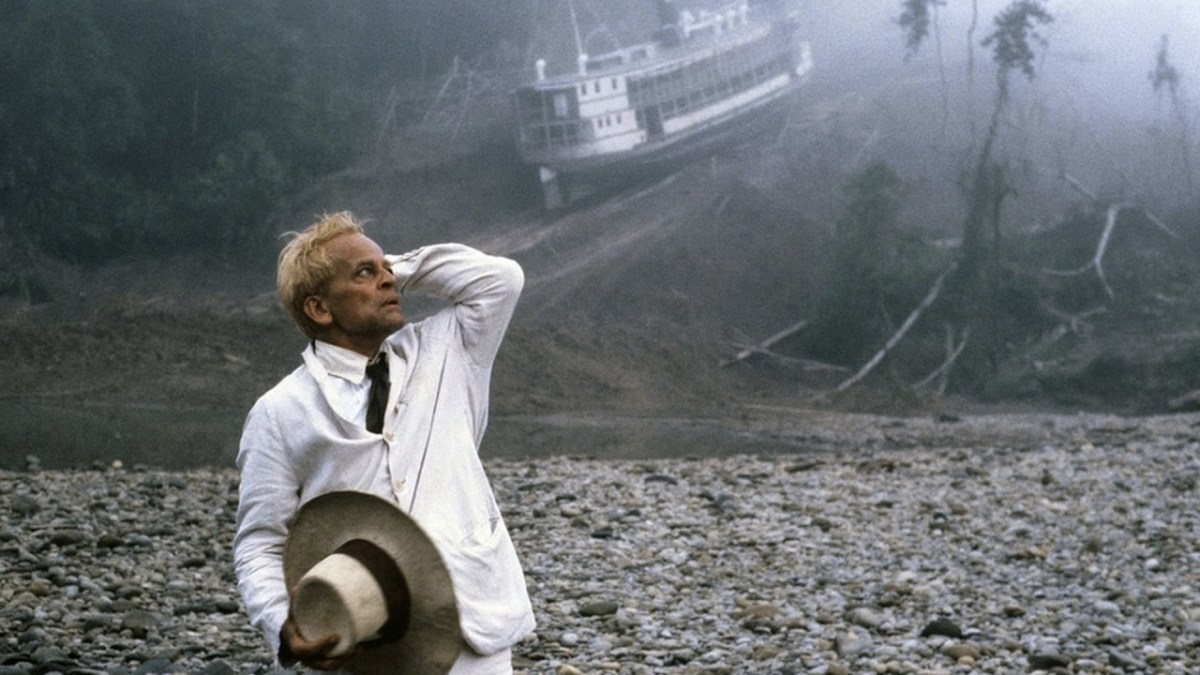
One of the greatest feats by any filmmaker in the history of cinema, Herzog’s film pits personal ambition against the forces of nature as a man desires to build an opera house in the middle of the Amazon jungle.

Herzog brilliantly transports us to a bygone world and to the edge of madness as power and greed clash furiously with nature and survival in this great masterwork of 1970s German cinema.
 Eternality Tan