


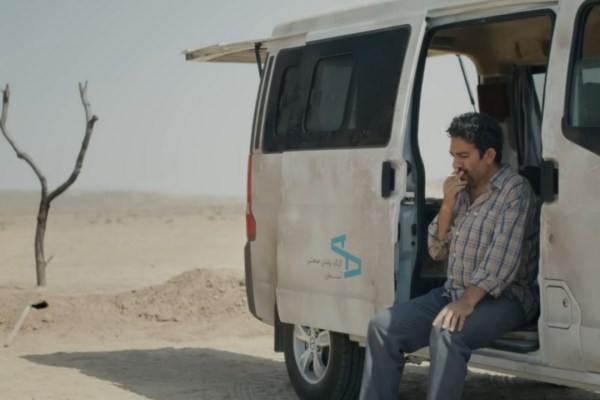




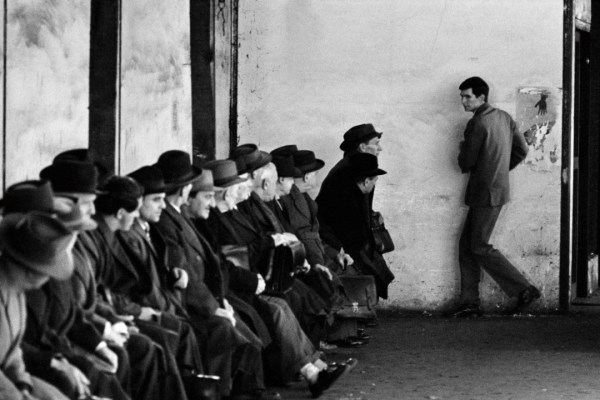

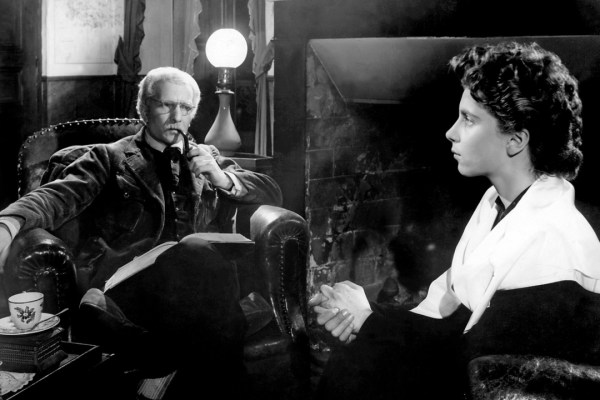
Kiarostami shoots the close-ups of more than a hundred actresses as they watch a theatrical presentation unfold in this conceptually bold but ultimately uninvolving treatise on the nature of spectatorship.
Continue reading →

Kiarostami shoots the close-ups of more than a hundred actresses as they watch a theatrical presentation unfold in this conceptually bold but ultimately uninvolving treatise on the nature of spectatorship.
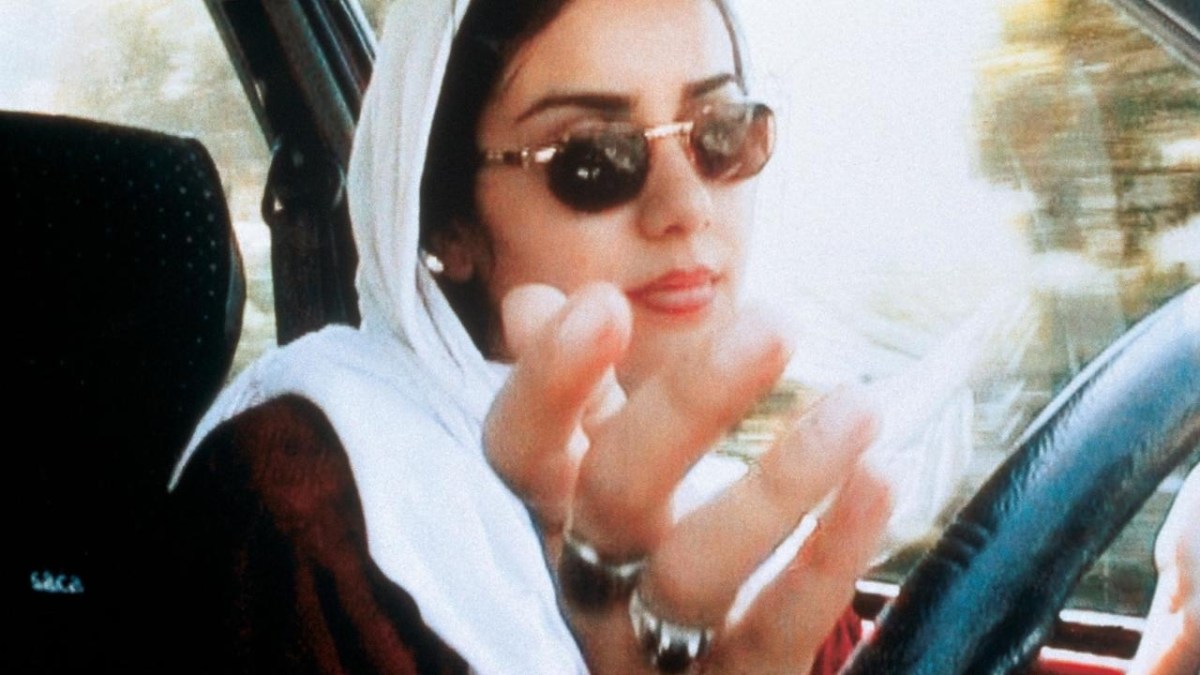
It runs a little out of steam by the end, but Kiarostami’s breakthrough experiment with the digital video camera is a revelation as the private, unfiltered conversations in a car become wrestling bouts against patriarchy, served with ten ‘dings’ of the bell.
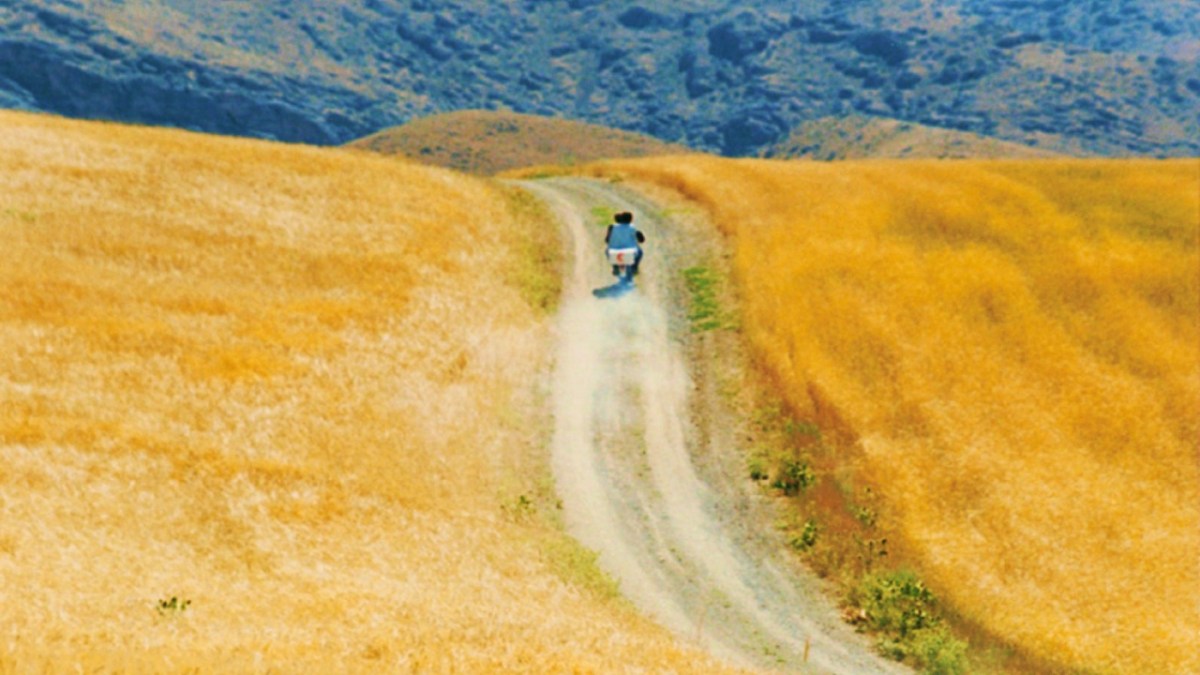
Kiarostami’s observant eye for landscapes and people reaches its apotheosis here in this graceful, if sometimes elusive, meditation on life and mortality.
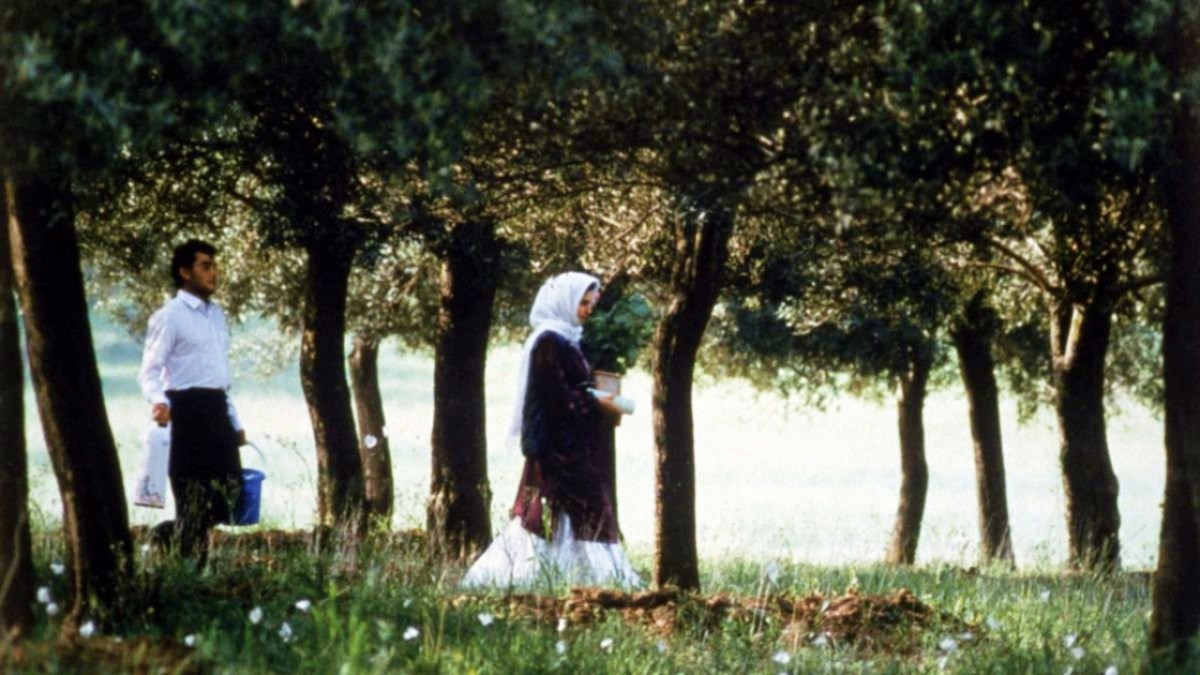
Kiarostami closes his wondrous ‘Koker’ trilogy with an even more multi-layered, meta-cinematic experiment in the guise of a love story.

Extraordinary docu-fictive filmmaking by Kiarostami as the second part of his ‘Koker’ trilogy brings us to the aftermath of the devastating 1990 Manjil-Rudbar earthquake via a skillfully deceptive meta-cinematic device.

We follow a young schoolboy’s a-day-in-the-life journey in Kiarostami’s simple yet resonating breakthrough film.

Kiarostami leaves us with a work of indelible beauty, continuing his fascination with the phenomenology of cinema and its relation to the ephemeral.

Shot in Japan with a Japanese cast, Iranian master Kiarostami gives us a rueful but tender film about the nature of love, desire and liking.

Kiarostami’s first non-Iranian film is engaging, but the male lead is unable to hold his own against Juliette Binoche.
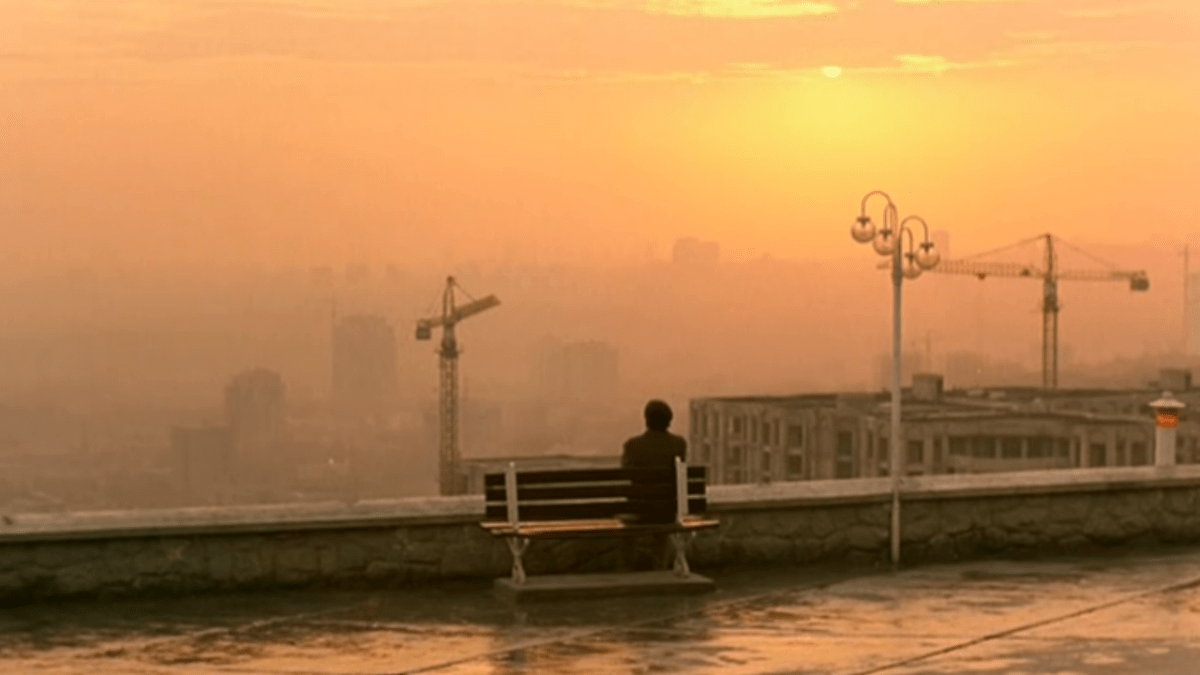
Plainfully simple yet thematically complex, this slow and bleak feature remains to be one of Kiarostami’s most profoundly engaging works.
 Eternality Tan