




Rohmer’s provocative final entry from his ‘Six Moral Tales’ calls attention to the temptation of extramarital affairs, as a man in a happy marriage contemplates putting his immoral theoretical thoughts into practice.
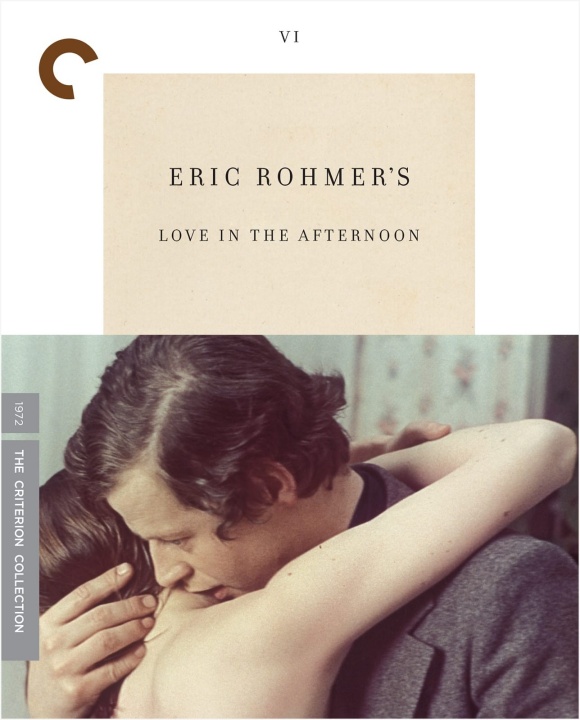
Review #3,054
Dir. Eric Rohmer
1972 | France | Drama, Romance | 97min | 1.37:1 | French
PG (passed clean) for some sexual references
Cast: Bernard Verley, Zouzou, Françoise Verley
Plot: Bourgeois business executive Frédéric is happily married to his adoring wife, and his perfectly ordered life passes by pleasantly enough. However, he cannot help but feel tempted to pursue other women. His desires remain unacted upon until Chloe, a beautiful old acquaintance, shows up at his office.
Awards: –
Source/Distributor: Les Films du Losange
Accessibility Index
Subject Matter: Moderate – Extramarital Affairs; Temptations & Desires
Narrative Style: Slightly Complex
Pace: Slightly Slow
Audience Type: Slightly Arthouse
Viewed: Criterion Blu-ray
Spoilers: No
The final entry of Eric Rohmer’s ‘Six Moral Tales’, Love in the Afternoon calls to attention the temptation of extramarital affairs, as a man ‘flirts’ with the idea but finds himself facing the psychological ‘trouble’ of doing it.
How does one transform theory into practice when the morality of monogamy seems to be a hyper-conscious psychosocial barrier?
In a brilliant montage early on, Rohmer shows the protagonist daydreaming—he imagines going up to different random women on the street and being all sorts of friendly with them.
‘Harassment’ isn’t in his vocabulary, of course, and it’s clearly a mental exercise in a kind of (unsavoury) power projection. However, it’s not a projection of male dominance but an unbridled freedom not afforded to both men and women who follow social contracts religiously.
Despite being in a happy marriage, with a second child along the way, the bourgeois Frederic (played with pensiveness by Bernard Verley) wants something more.
He isn’t unlike Agnes Varda’s working-class protagonist in her strikingly feminist Le bonheur (1965), who actually puts theory into practice, with Varda subjecting her character’s practice to further theorising.
“The prospect of quiet happiness stretching indefinitely before me depresses me.”
When a former flame, Chloe (Zouzou in pouty, sultry mode), enters Frederic’s life, his ‘theories’ become ripe for potential operationalisation, particularly with Chloe being the far more open-minded of the two.
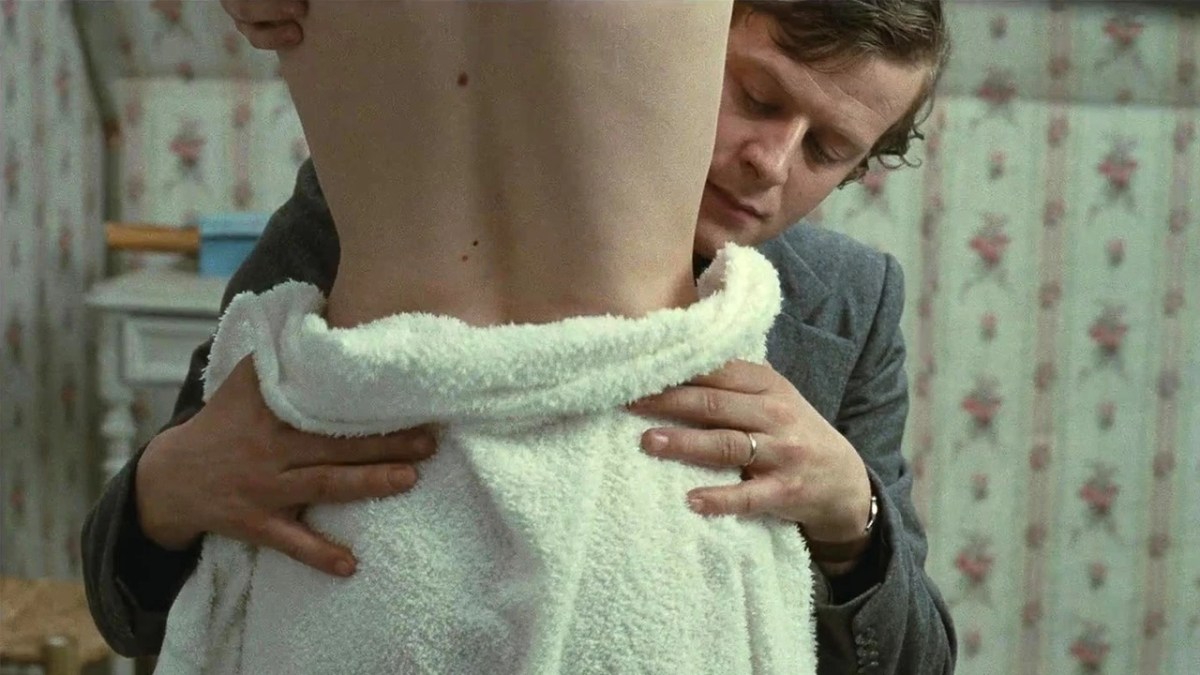
Rohmer’s talky style allows all these themes to come into reckoning with efficiency, yet in some scenes of sensual seduction, words aren’t needed when there is bare flesh to keep everyone gagged and agog.
As the sexual revolution reached its peak in the 1970s, with attitudes drastically changing in the Western world, Rohmer’s ‘Six Moral Tales’ provides a fascinating counterpoint.
Love in the Afternoon, like the other films that preceded it, doesn’t chastise anyone for having ‘immoral’ thoughts, nor does it didactically prescribe any ‘correct’ way to live life to the fullest. It simply provokes, like any great piece of cinema.
More importantly, they are comforting works about discomforting thoughts that we find ourselves returning to from time to time.
Grade: A-
 Eternality Tan