

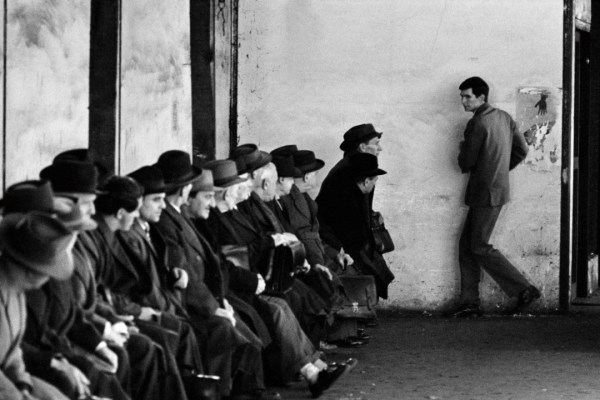

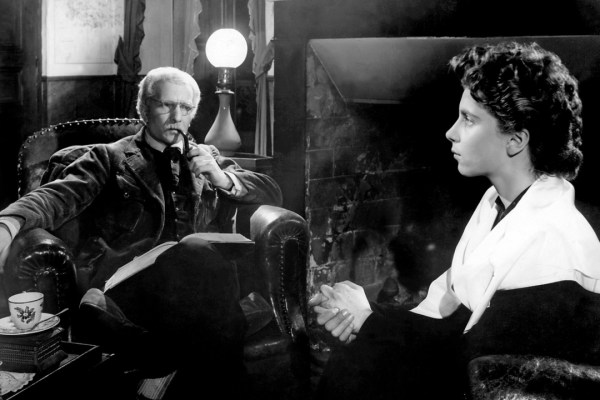
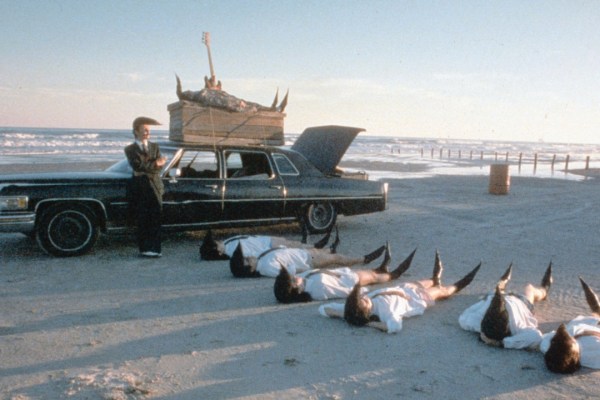

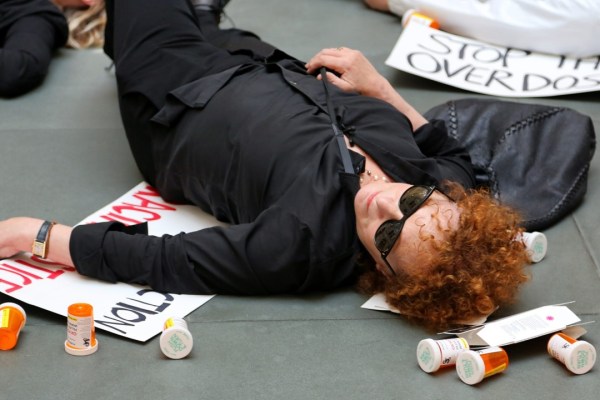



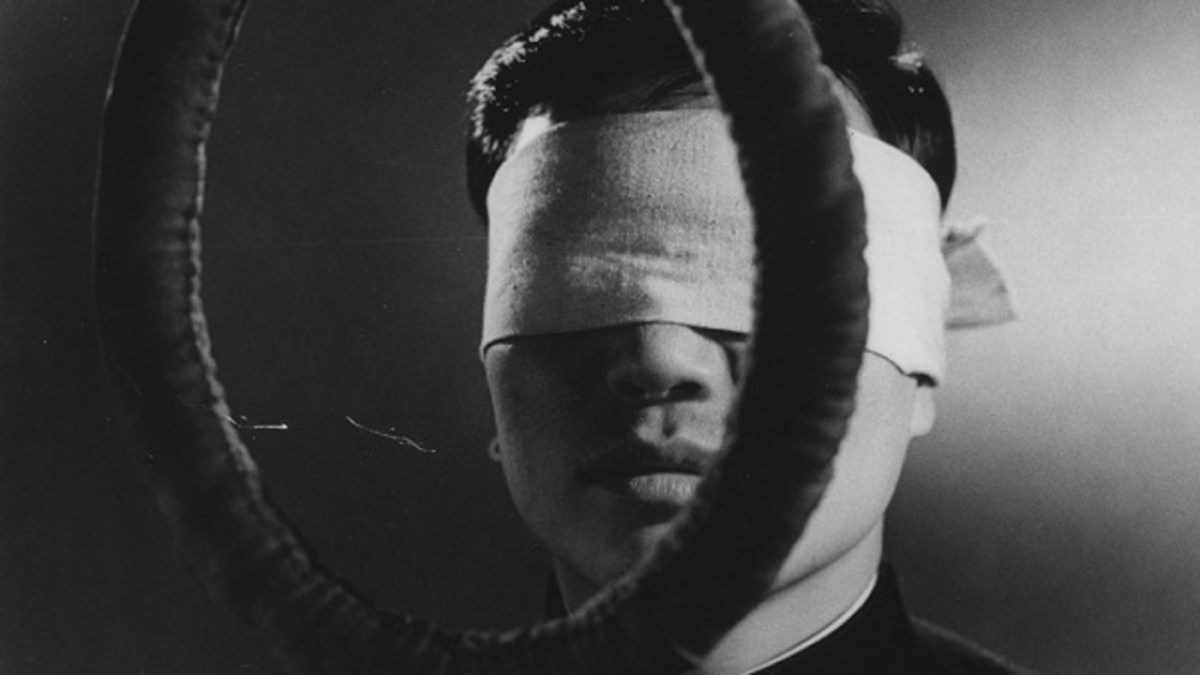
A Korean man is hanged but doesn’t die in Oshima’s complex if puzzling political farce, built out of layers of thematic juxtapositions and performative gestures, as the ghastly spectre of Japanese imperialism and social injustices rear their ugly heads.

Review #2,969
Dir. Nagisa Oshima
1968 | Japan | Drama, Comedy | 118min | 1.85:1 | Japanese
Not rated – likely to be M18 for mature themes and sexual assault references
Cast: Yu Do-yun, Kei Sato, Fumio Watanabe, Toshiro Ishido, Masao Adachi
Plot: In this macabre farce, a Korean man is sentenced to death in Japan but survives his execution, sending the authorities into a panic about what to do next.
Awards: Official Selection – Directors’ Fortnight (Cannes)
Source Oshima Productions
Accessibility Index
Subject Matter: Slightly Mature – Law & Injustice; Capital Punishment; Japanese-Korean Tensions
Narrative Style: Complex
Pace: Slightly Slow
Audience Type: General Arthouse
Viewed: Criterion Blu-ray
Spoilers: No
Capital punishment is one of those hotly contested topics in modern societies, well, because we now live in modern times. As such, the act of legally killing someone can appear out of touch, perhaps paradoxical if the state also advocates rehabilitation and second chances.
This is precisely the Dr. Jekyll and Mr. Hyde nature of my country, Singapore, which is well-known (some might prefer the term ‘notorious’) for its death penalty, especially for drug trafficking.
My views have alternated from “hell yeah” when I was a student listening to anti-drug talks during school assemblies, to “absolutely not” after I saw Kieslowski’s morally devastating A Short Film About Killing (1988), to “it depends”, which is where I am at now.
Nagisa Oshima’s Death by Hanging naturally interested me, though it didn’t really significantly change my opinion. It is an incredibly complex work, built out of layers of thematic juxtapositions and performative gestures.
Like his later The Man Who Left His Will on Film (1970), which was similarly avant-garde, Death by Hanging sure left me puzzled—but thinking.
“A nation cannot make me guilty.”
The Japanese court sentences R, a Korean man, to death for raping and killing two young women, but he doesn’t die after being hanged (in the actual case that the film was loosely based on, he was successfully executed), sparking bouts of serious soul-searching as the ragtag group of executioners-cum-government officials hopes to revive the man back to his ‘original self’ so that he is legally able to be executed again.
Oshima treats it explicitly like a farce, using the artifice of Brechtian theatre to conjure up re-enactments of the heinous crimes (performed by those silly executioners-cum-government officials) in order to rejig the memory of R.
At the same time, Oshima, being an astute political filmmaker, draws parallels between capital punishment and war, raising the ghastly spectre of Japanese imperialism. Well, after all, war and the death penalty are the only tools available for any state to wield when it wants to kill people with impunity.
Although I found Death by Hanging way too dense to succeed emotionally, there is something about Oshima and his unorthodox methods of deception, counterpoint and discursivity that gives it some kind of abstract power.
Grade: B+
Trailer:
 Eternality Tan