





The first of Kaurismaki’s ‘Proletariat’ trilogy is where it all crystallised very close to the fullest form and style of the Finnish director’s subsequent films as a garbage truck driver meets a supermarket cashier.
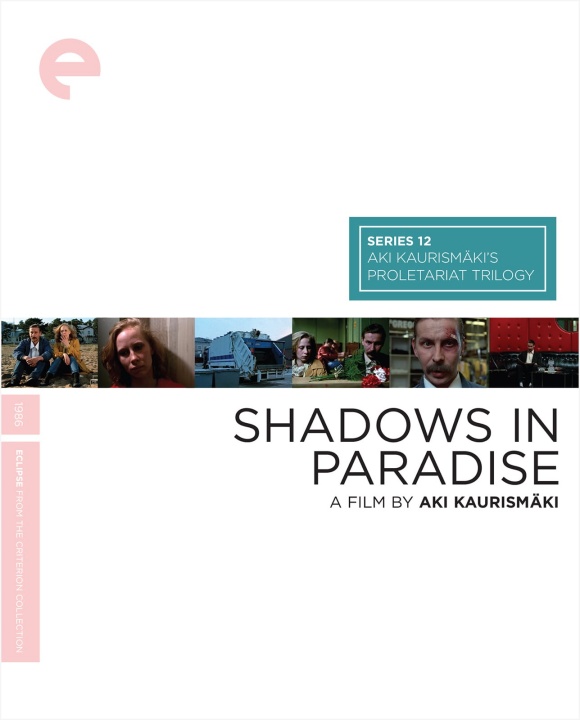
Review #2,915
Dir. Aki Kaurismaki
1986 | Finland | Drama, Comedy, Romance | 74min | 1.85:1 | Finnish, Swedish & English
PG (passed clean)
Cast: Matti Pellonpaa, Kati Outinen, Sakari Kuosmanen
Plot: After losing his friend and co-worker to a sudden heart attack, lonely Helsinki garbageman Nikander finds himself completely directionless. But unlikely redemption comes in the form of Ilona, a plain supermarket cashier with whom he begins a tentative love affair.
Awards: Official Selection (Toronto)
International Sales: The Match Factory
Accessibility Index
Subject Matter: Moderate – Unlikely Romance; Working Class
Narrative Style: Straightforward
Pace: Slightly Slow
Audience Type: Slightly Arthouse
Viewed: Criterion Eclipse DVD
Spoilers: No
The first film of what is known as the ‘Proletariat’ trilogy that includes Ariel (1988) and The Match Factory Girl (1990), Shadows in Paradise was where it all crystallised very close to the fullest form and style of what subsequent films of Aki Kaurismaki would look and feel like.
With its laser-sharp focus on Nikander, a working-class protagonist, in this case a garbage truck driver, we see him lead a largely uneventful daily existence, until a co-worker (his only meaningful friend) who hopes to start his own garbage disposal business suffers a heart attack, scuppering any future plans.
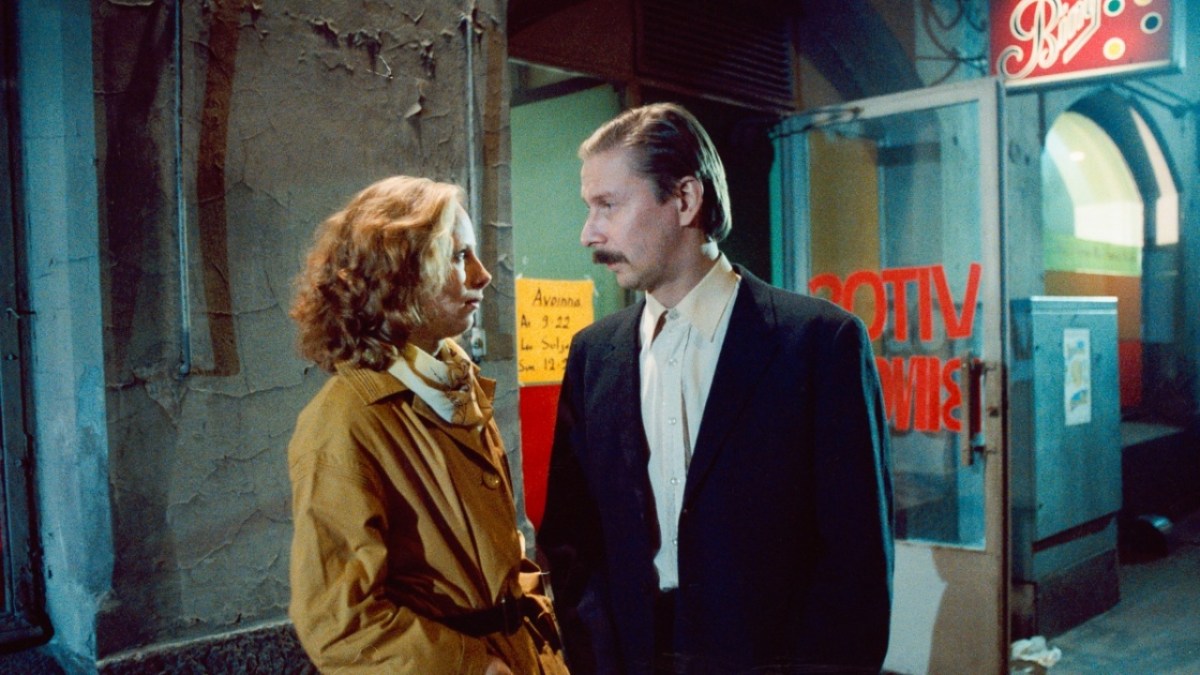
As usual in the Kaurismaki universe of chronic loneliness, Nikander (Matti Pellonpaa, who had been there since the start with 1983’s Crime and Punishment) meets Illona (Kati Outinen in her first of numerous collabs with the director), a supermarket cashier, and finds some degree of companionship, and possibly, the prospect of love.
“The kind of doctor I need hasn’t been born yet.”
But what is love in this drab environment of monotonous toil, even though Kaurismaki seems to have captured the night cityscape with a tinge of poeticism?
With barely any emotions registered in the duo’s faces except for a few moments of heated anger, Kaurismaki keeps things as froid as the landscape. Shadows of Paradise is a film of small gestures, where barely visible actions (or reactions) paint a thousand non-verbal words.
As almost always in the Finnish auteur’s canon, can two sourpuss lonelyhearts ever find kindred peace together? And even so, can they escape a solitude that seems deeply ingrained in the fibre of their very being?
This is partly why many of Kaurismaki’s characters often dream of a better life far away from Finland. In some cases, they embark on that leap of faith. Kaurismaki would take his filmmaking up another level with Ariel, which could be my favourite of his thus far.
Grade: B+
 Eternality Tan
[…] I finally completed the ‘Proletariat Trilogy’ by Aki Kaurismaki. These three films—Shadows in Paradise (1986), Ariel (1988), and The Match Factory Girl (1990)—elevated the Finnish auteur’s position […]
LikeLike