









The eldest daughter of a poor family is forced to become the breadwinner in Ghatak’s masterful ‘Partition’ melodrama about dreams and sacrifices, infused with some of the densest and most evocative use of Indian classical music in Bengali cinema.
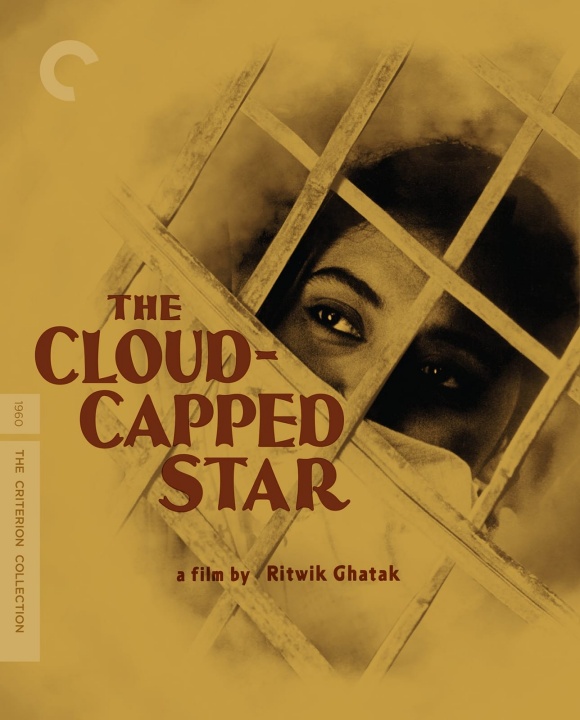
Review #2,739
Dir. Ritwik Ghatak
1960 | India | Drama | 127 min | 1.37:1 | Bengali
PG (passed clean)
Cast: Supriya Choudhury, Anil Chatterjee, Gyanesh Mukherjee, Bijon Bhattacharya, Gita Dey
Plot: The story of a beautiful daughter of a middle-class refugee family from East Pakistan. Nita, the protagonist, sacrifices everything for her unappreciative family.
Awards: –
Source: Ritwik Memorial Trust & Film Foundation
Accessibility Index
Subject Matter: Moderate – Partition of India; Family in Poverty; Personal Sacrifice
Narrative Style: Slightly Complex
Pace: Slightly Slow
Audience Type: Slightly Arthouse
Viewed: Criterion Blu-ray
Spoilers: No
My third Ritwik Ghatak after The Golden Thread (1965) and A River Called Titas (1973), The Cloud-Capped Star is my favourite of the trio so far.
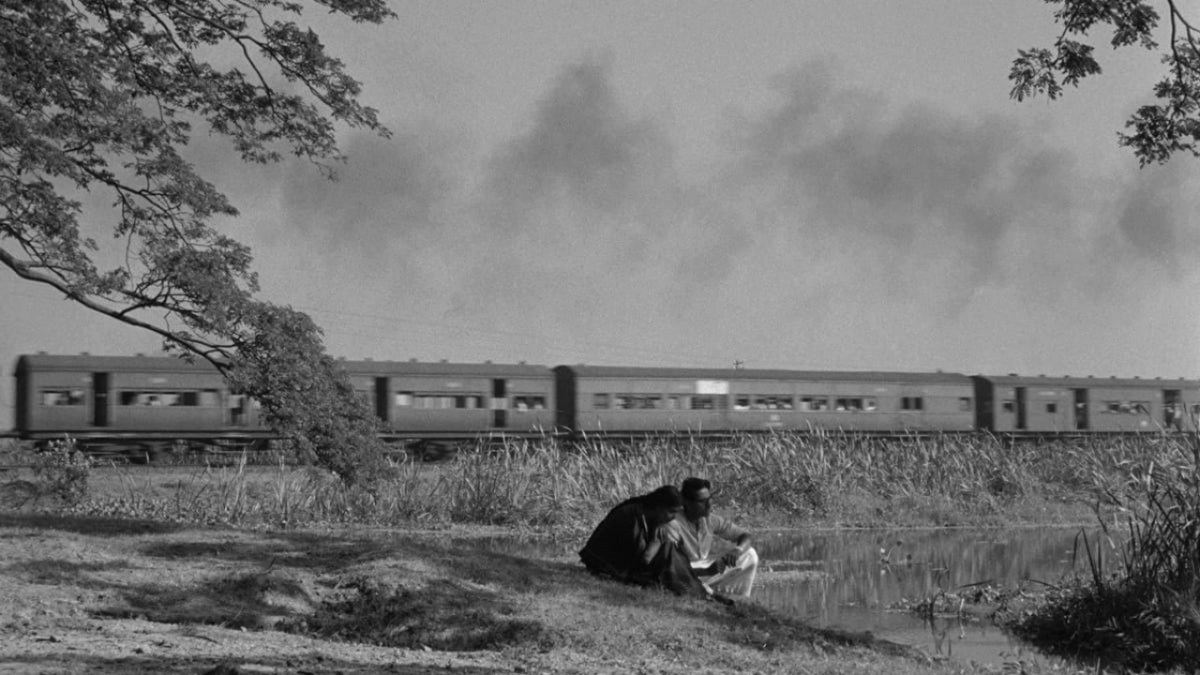
It is also commonly regarded as the Bengali director’s best-known work and contains one of the most unforgettable opening scenes in Indian Parallel Cinema: we first see a wide shot of a path lined with a row of humongous trees (it’s hard not to be utterly impressed by the grandeur of these trees) as a young woman walks towards the camera.
In the background, we hear someone singing and then a train chugging. It cuts next to a wide shot of a singing man by the lake as the woman is held in a close-up. As she leaves the frame, the train is seen moving past.
Ghatak manages to capture the essence of The Cloud-Capped Star with just these two brilliant shots, for instance, the theme of tradition versus modernity as symbolised by those majestic trees and that relentless train respectively, as well as the filmmaker’s artistic commitment to employing sound and music as ‘bridges’ for us to enter his characters’ psychological space.
“I’m pinning my hopes on the two of you. And then maybe my time will come.”
It is the story of the eldest daughter, Neeta, who is forced to become the breadwinner of her poor family. His younger brother, that singing man, harbours dreams of becoming a musician, an idealistic pursuit considering the circumstances, but which Neeta supports wholeheartedly.
With an ageing father and mother in tow, and two other siblings, they face an uncertain future. This was the time of the Partition, which caused massive displacement and hardship for the tens of millions of people who were forced to become refugees within their own divided ‘country’.
A melodrama in the truest sense and of the highest order, Ghatak’s film is about the dreams and sacrifices made by the younger generation as they try to rebuild their lives through education, and possibly, love.
Infused with some of the densest and most evocative use of Indian classical music in Bengali cinema, perhaps second only to Satyajit Ray’s extraordinary The Music Room (1958) at the time, The Cloud-Capped Star has benefitted immensely from a stunning new restoration by The Film Foundation.
Grade: A+
Promo Clip:
 Eternality Tan
[…] Cloud-Capped Star, The (1960) […]
LikeLike