




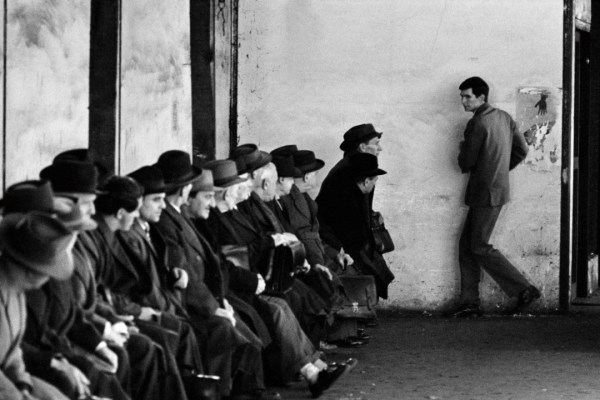
It has its great moments, but Andersson’s ‘Living’ trilogy closes on a lacklustre and disappointing note.
Continue reading →

It has its great moments, but Andersson’s ‘Living’ trilogy closes on a lacklustre and disappointing note.

Shot with a static camera in a perpetual medium close-up of the lead character, this disquieting Chilean take on the perils of being a social media celebrity rings hollow, ironically in a phenomenologically truthful way.
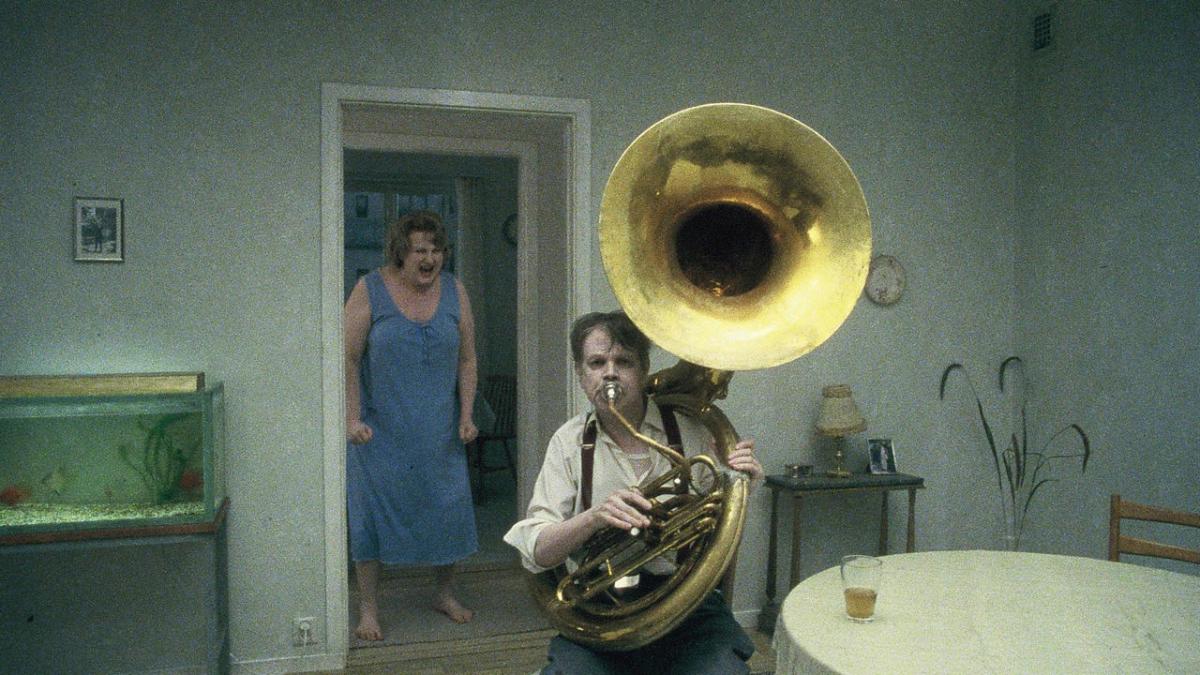
The second instalment of Andersson’s absurdist ‘Living’ trilogy is a gentler but no less incisive take on the beauty and doldrums of human existence.

There’s something elusively poetic about this dementia drama from Chang Tso-chi that elevates it into rich yet nuanced work about a fractured family’s relational dynamics in flux.
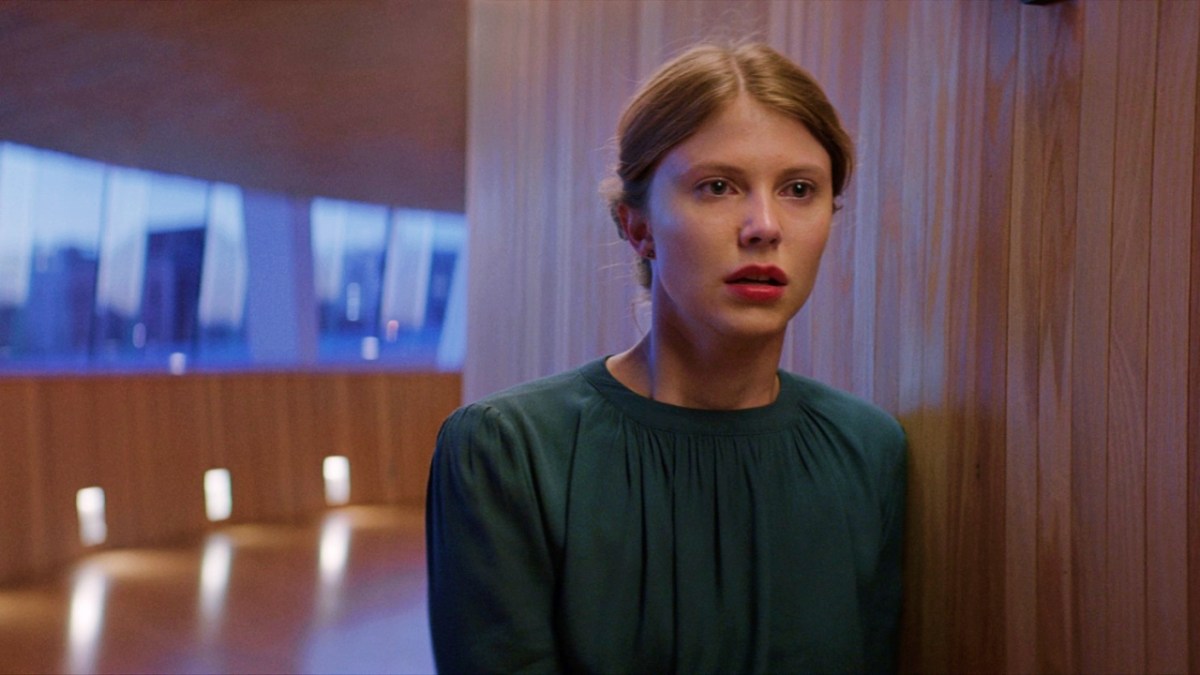
Joachim Trier’s attempt at genre-type filmmaking doesn’t really break new ground in this straightforward Norwegian psychological drama centering on a young woman with hidden telekinetic powers.
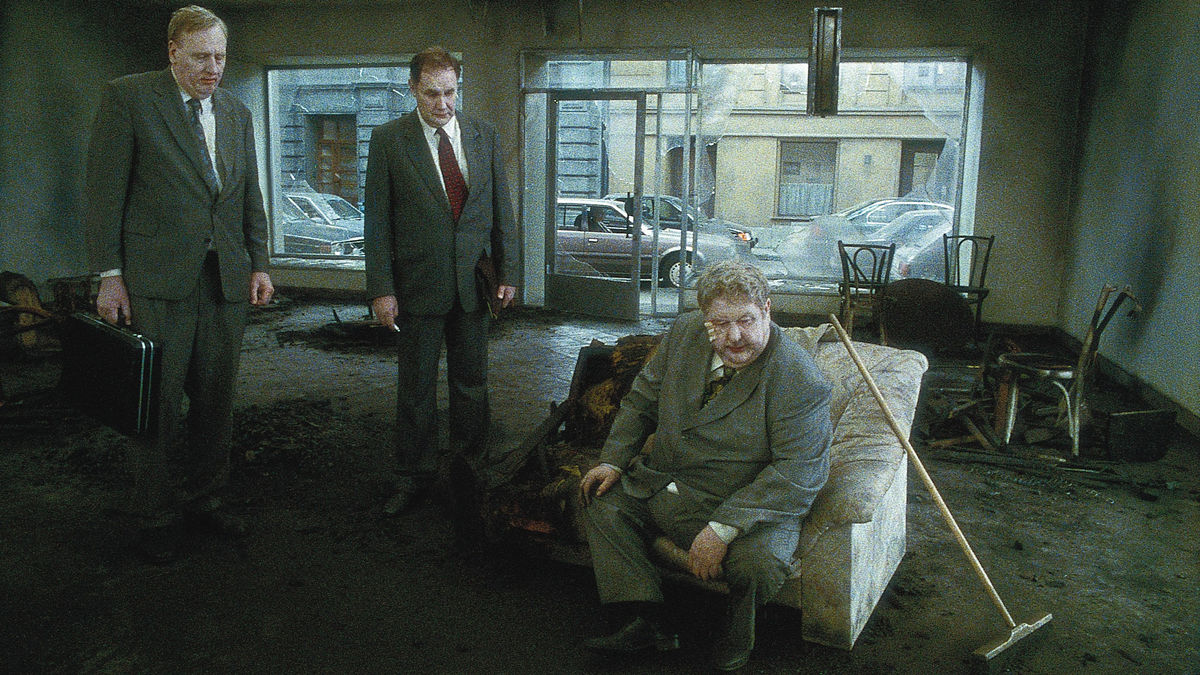
This wholly inventive and constantly surprising first film of Andersson’s ‘Living’ trilogy is one of the finest contemporary examples of absurdist cinema.
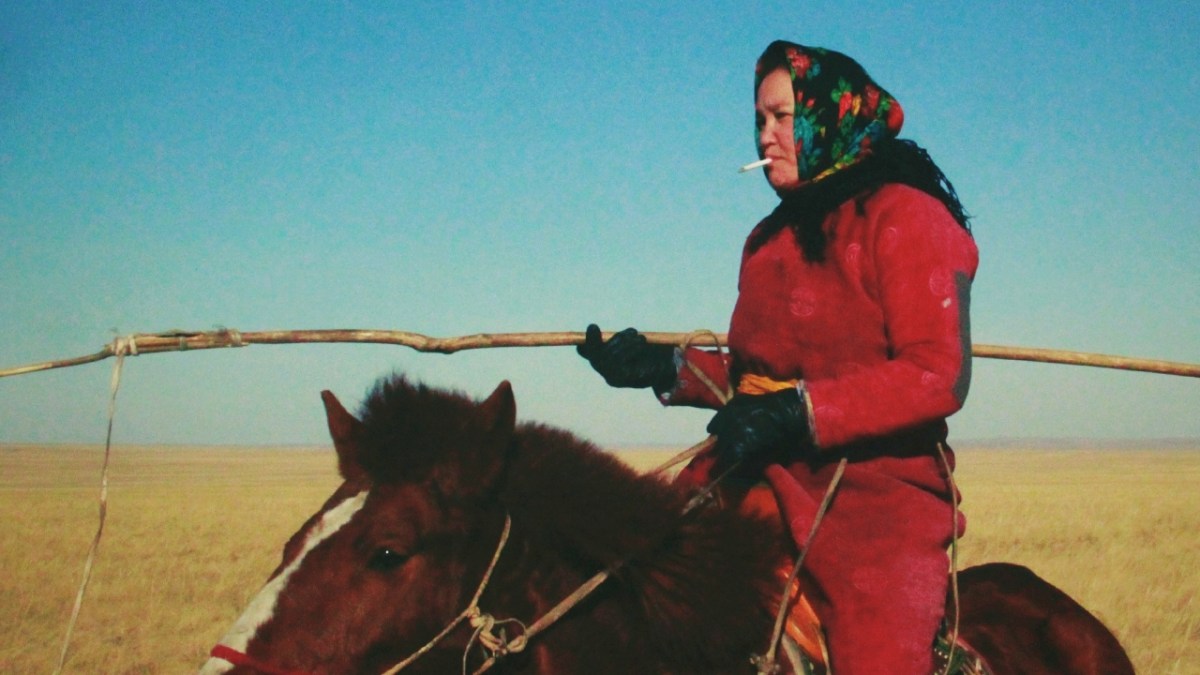
A dead body is found in the Mongolian steppes in this sublimely-shot if at times bizarre arthouse tale about carnal desires and the cycle of life.

Studio Ghibli’s first full digital animation is a light-hearted and free-spirited take on urban family life told in humorous, sometimes fantastical, vignettes that are created in a minimalist watercolour style.

There’s enough humour and ‘70s romantic schmaltz in Andersson’s first feature to make it a pleasing slice-of-life experience.

A layered, non-linear Taiwanese LGBT drama centering on the outsiders of society—their lives, struggles, and tragedies.
 Eternality Tan