
A gentle if slight film from Sofia Coppola that sees her going for a low-key character study of a burned-out Hollywood actor.
Continue reading →


A gentle if slight film from Sofia Coppola that sees her going for a low-key character study of a burned-out Hollywood actor.

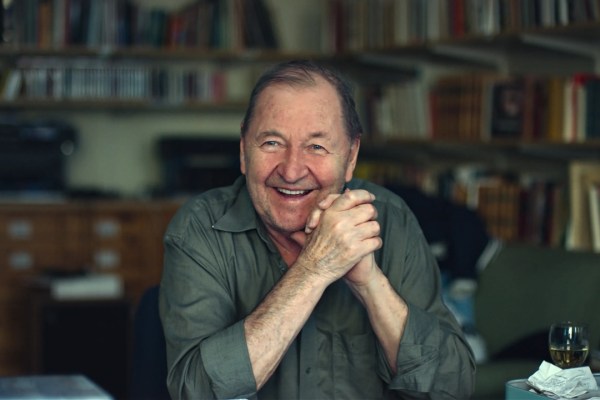
Roy Andersson’s latest won’t turn heads, but it is a tender, and at times, world-weary look at the fallibility of human beings as they eke out a despairing existence.

An empty film with shallow characters, this is Sofia Coppola’s worst hour as a filmmaker.
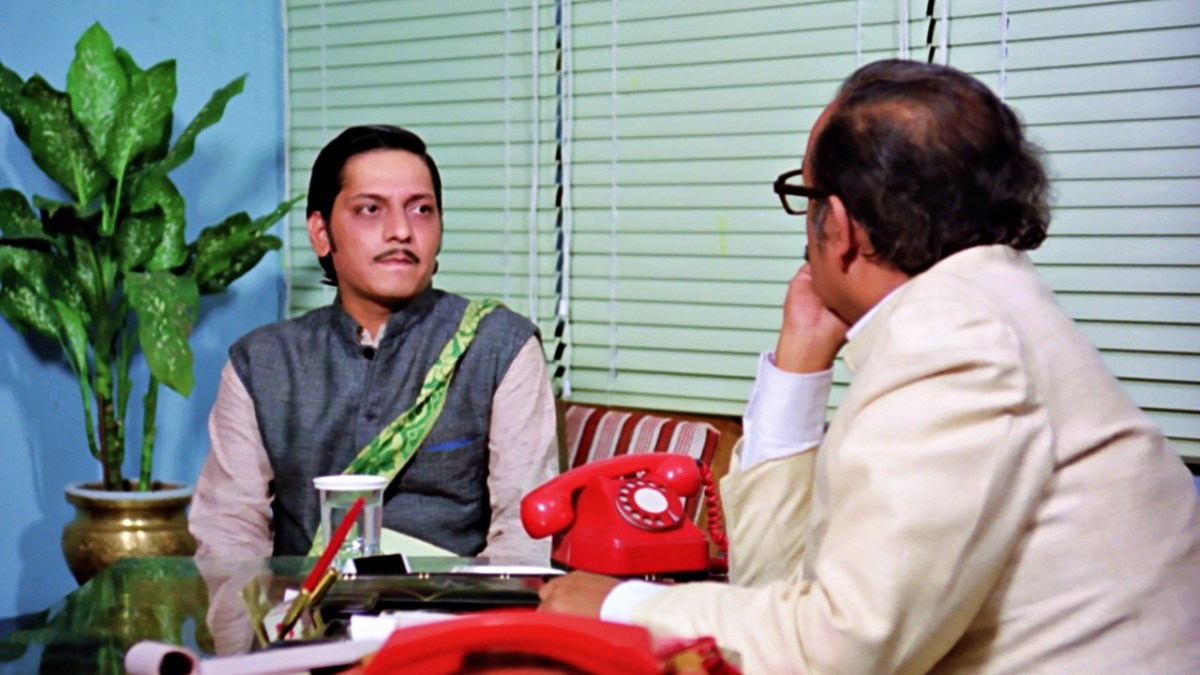
A simple lie about having a look-alike twin brother turns into an elaborate if risky plan of deception in this hilarious comedy about an employee trying to trick his conservative boss to keep his new high-paying job.
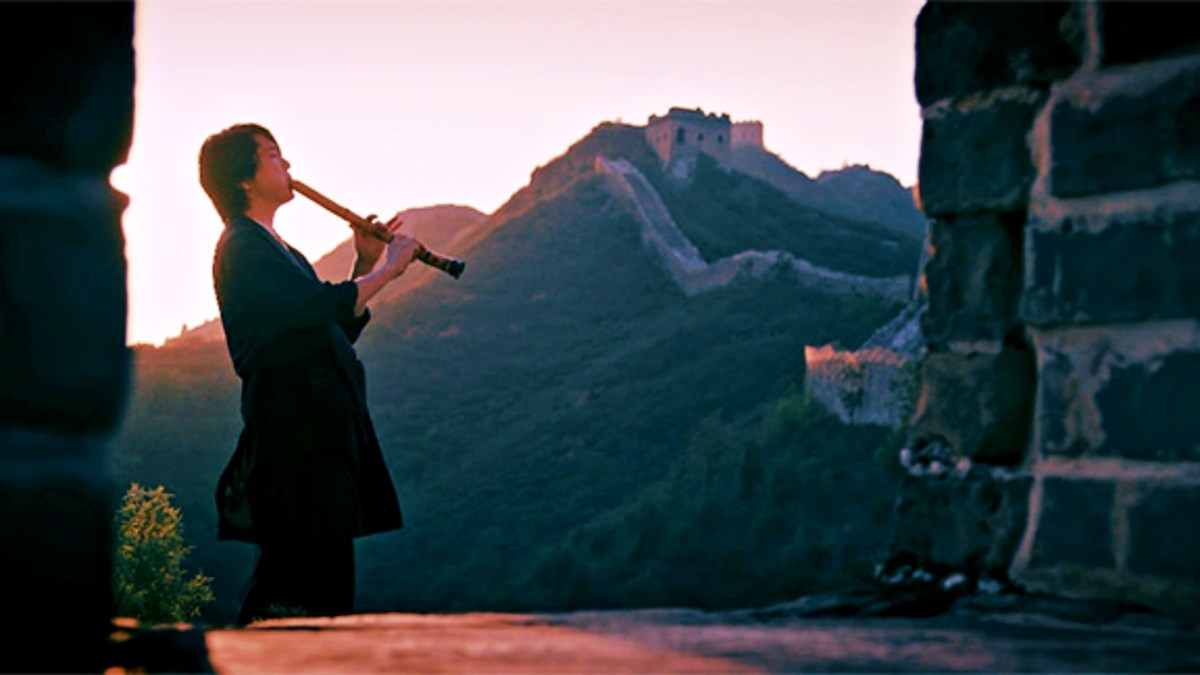
A conventional documentary about an unconventional instrument—the ancient shakuhachi—and the people who seek spiritual clarity through playing it.
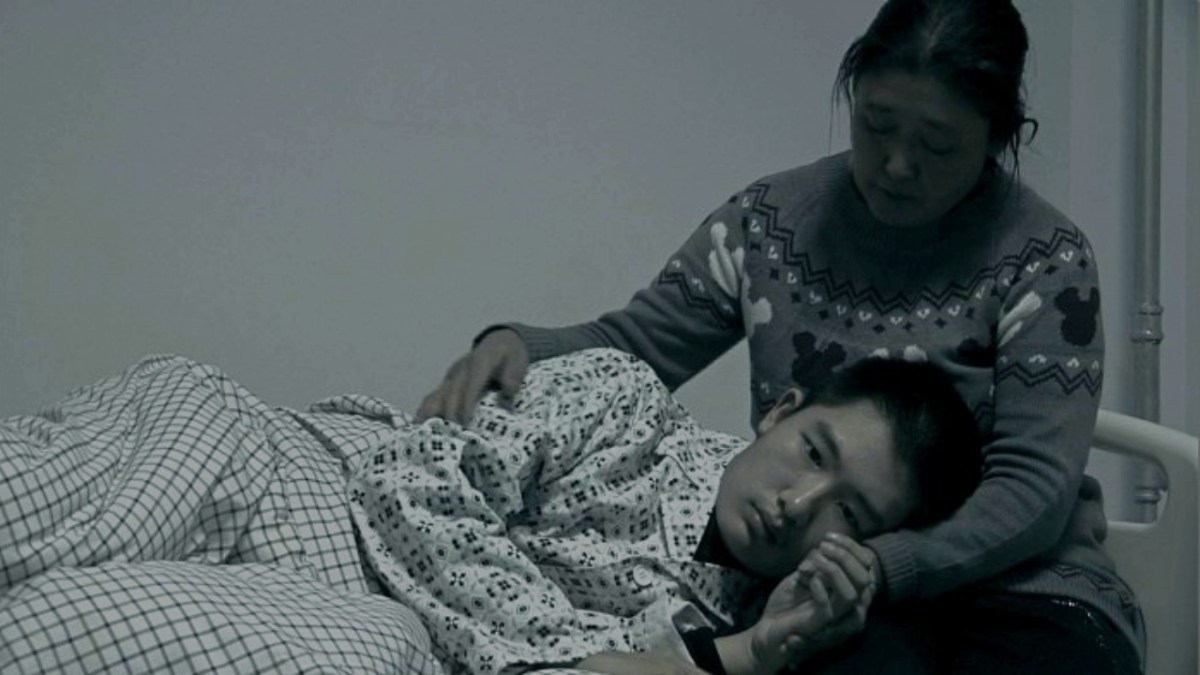
This 5-hour long observational documentary shot in a psychiatric ward in Northeast China humanises patients diagnosed with mental illnesses and gives them tremendous empathy and dignity.

One of Makhmalbaf’s finest moments as a filmmaker, this meta-filmic exercise in reconciling with his own personal history is both poetic and introspective, and features one of cinema’s most revelatory ending shots.

A modest if tender documentary about an Alzheimer’s-stricken father (a retired Peking opera director) and his son (a multimedia artist) who try to heal through art and the creative process as they witness the ravages of time on their mortal connection.

It has its great moments, but Andersson’s ‘Living’ trilogy closes on a lacklustre and disappointing note.

Shot with a static camera in a perpetual medium close-up of the lead character, this disquieting Chilean take on the perils of being a social media celebrity rings hollow, ironically in a phenomenologically truthful way.
 Eternality Tan