


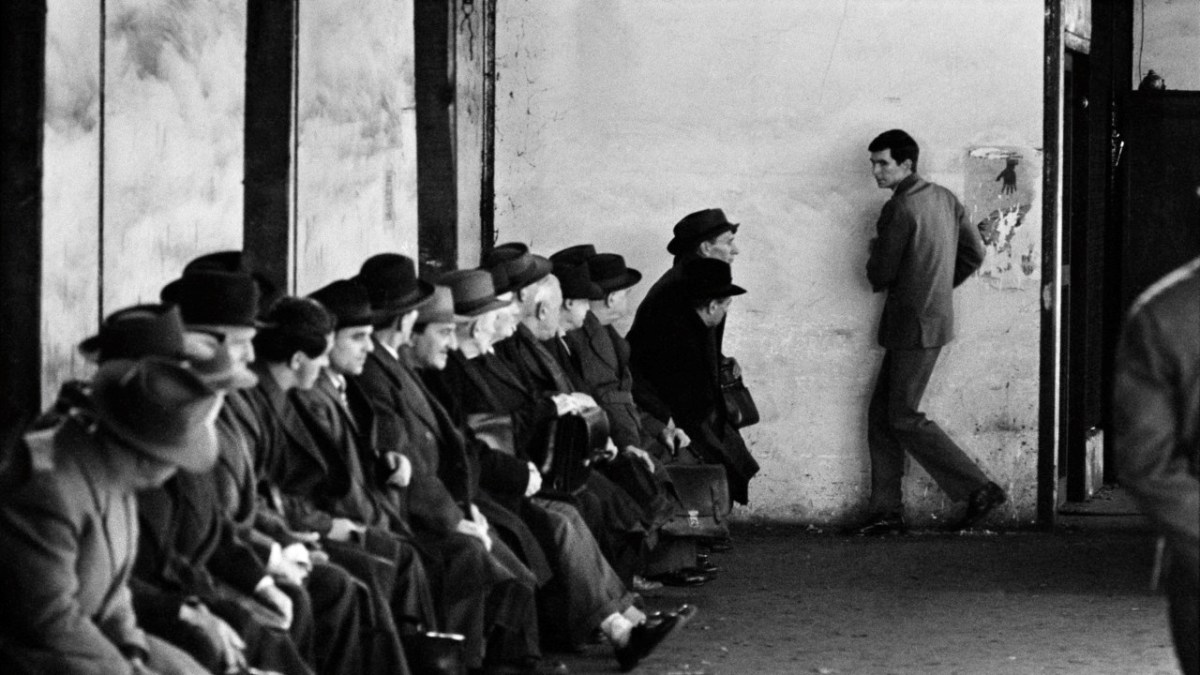
A man is arrested for an unknowable crime and plunged into a maze of bureaucratic dread in Welles’ audacious adaptation of Kafka’s seminal text, unfolding as a hallucinatory and shapeshifting study of guilt and power.
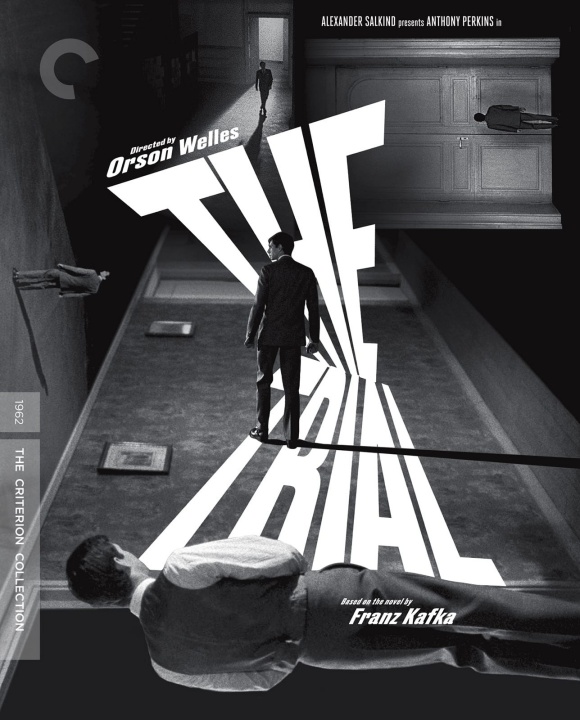
Review #3,065
Dir. Orson Welles
1962 | France, Italy, Yugoslavia | Drama, Mystery, Crime | 118min | 1.66:1 | English
PG (passed clean)
Cast: Anthony Perkins, Jeanne Moreau, Romy Schneider, Orson Welles, Akim Tamiroff
Plot: Arrested for an unnamed crime, Josef K. is trapped in a surreal bureaucratic maze where justice is unknowable and guilt is assumed.
Awards: Nom. for Golden Lion (Venice)
Source/Distributor: Studiocanal
Accessibility Index
Subject Matter: Moderate – Crime & Punishment; Injustice & Bureaucracy; Authoritarian Power
Narrative Style: Slightly Complex
Pace: Slightly Slow
Audience Type: Slightly Arthouse
Viewed: Criterion Blu-ray
Spoilers: No
Just for a dose of cinephilic fun, I sometimes ask myself who would make up my Mount Rushmore of American directors. Three names are locks, for reasons that would require a book chapter to fully articulate why they have meant so much to me personally: Stanley Kubrick, Martin Scorsese, and Steven Spielberg.
That last slot, however, has always been curiously elusive. At times, it might be someone like Billy Wilder, whom I adore; at other times, recency bias creeps in, and I pivot to Paul Thomas Anderson, whom I consider the best director of his generation.
Then there is Orson Welles—that eloquent, charming, rebellious Hollywood wunderkind who would be ideologically blacklisted and become the maverick auteur par excellence working outside the Dream Factory.
I love his spirit and zest, but even more his ability to create no matter the circumstances, and with The Trial, like many of his extraordinary works after Citizen Kane (1941), I finally feel I understand why encountering a Welles film is to encounter sheer genius.
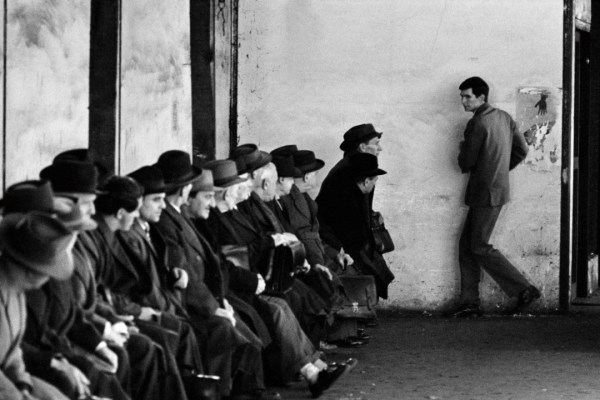
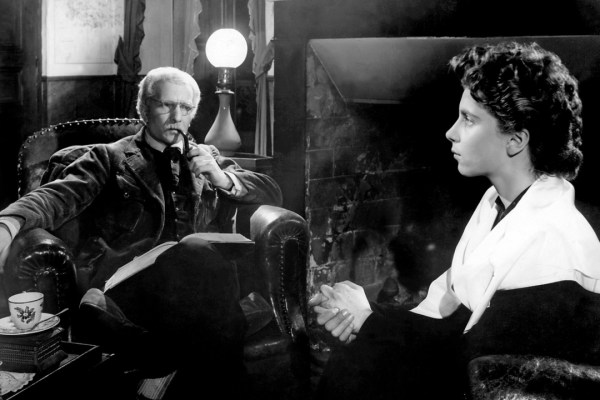
Based on the infamously incomplete source text by Franz Kafka, and starring Anthony Perkins (yes, two years after 1960’s Psycho) as Josef K, an office worker arrested for a crime he does not understand, The Trial leads us into a hallucinatory tunnel of claustrophobia and paranoia.
“This door was intended only for you. And now, I’m going to close it.”
Bureaucratic hurdles and murky characters don’t help, let alone the foreboding black-and-white cinematography, or the menacing, labyrinthine production design that seems to entrap.
Welles shot much of the film in what was then Yugoslavia at the height of the Cold War, so it is natural to read it with the political subtext that you so choose—be it the fears of Soviet communism and the association with the ‘30s Stalinist show trials; or the postwar McCarthy witch-hunts in the States; or even the persecution of Jews during the Holocaust.
It’s an all-encompassing cinematic text, open to interpretation, but more critically, continually shapeshifting inasmuch as it is impossible to know where the borders are in terms of clarity and closure. Even Perkins plays Josef K as ‘guilty’ rather than purely innocent, a point made by the film’s detractors, which Welles has since sufficiently countered, notably in Filming The Trial (1981).
As our world today careens into what might be described as a surreal nightmare, Welles’ vision of Kafka’s text remains palpably vivid and terrifying—don’t we all feel innately guilty of propping up rotting systems in the world that continue to subjugate others and us?
Although used intermittently throughout the film, when Giazotto’s ‘Adagio in G Minor’ (more commonly known as ‘Albinoni’s Adagio’) cuts the disquiet and disbelief like a violent stab to the heart in the epilogue, it became abundantly clear to me who would fill that remaining fourth spot.
Grade: A
Trailer:
Music:
 Eternality Tan