







The fearless and admirable Laura Poitras weaves the traumatic personal history, artistic legacy, and near-fatal overdose of Nan Goldin into a formally inventive documentary that urgently reveals the power of transformative social justice.
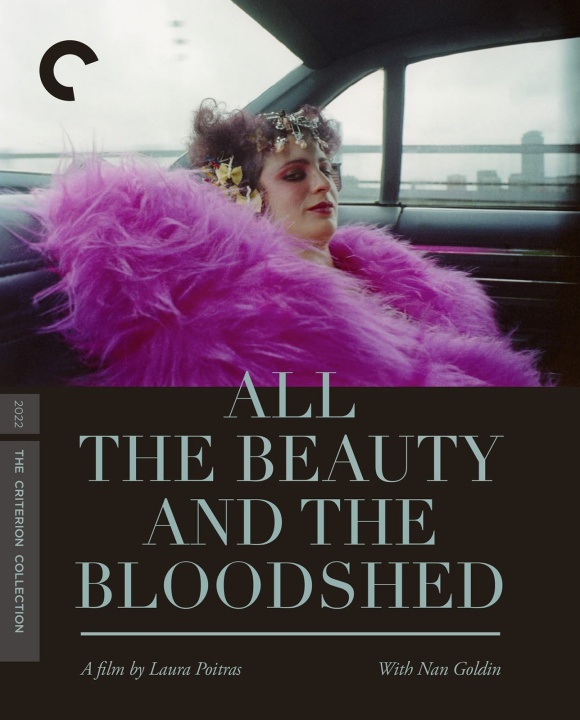
Review #3,062
Dir. Laura Poitras
2022 | USA | Documentary, Biography | 122min | 1.78:1 | English
R21 (passed clean) for nudity and sexual scene
Cast: –
Plot: The life of internationally renowned artist and activist Nan Goldin is told through her slideshows, intimate interviews, ground-breaking photography, and rare footage of her personal fight to hold the Sackler family accountable for the overdose crisis.
Awards: Won Golden Lion (Venice); Nom. for Best Documentary (Oscars)
International Sales: Altitude Film Sales
Accessibility Index
Subject Matter: Slightly Mature – Opioid Crisis; Art & Politics; LGBTQ; Activism & Social Justice
Narrative Style: Slightly Complex
Pace: Normal
Audience Type: Slightly Arthouse
Viewed: Screener
Spoilers: No
Although I didn’t find the Oscar-winning Citizenfour (2014) especially riveting despite its subject matter, Laura Poitras remains one of the most fearless and admirable documentary filmmakers working since the 2000s.
With her latest film, Cover-Up (2025), now available on Netflix (and one I must catch up with soon), there has been renewed interest in revisiting her earlier work. One of them, All the Beauty and the Bloodshed, is a brilliant and compelling recent starting point for anyone seeking a sense of her astute craft.
The film carries the traumatic weight of personal history, refracted through tumultuous periods marked by debilitating social stigmas (such as AIDS) and the devastating consequences of corporatised drug addiction. Yet this constitutes only one half of the equation—the “bloodshed” of the title.
The other half, the “beauty,” lies in the pursuit of transformative social justice, and in the art museums that become central battlegrounds in the struggles of the singular Nan Goldin.
“People used to say we were marginalised, and we didn’t care. Normal people were marginalised to us.”
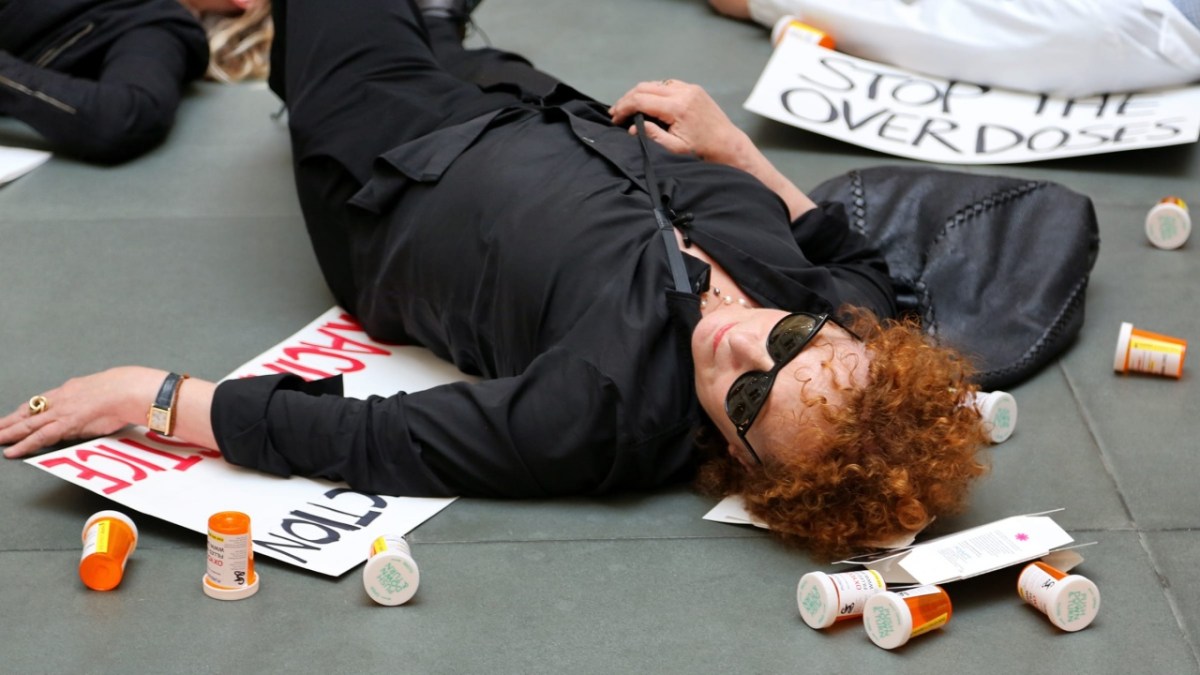
Goldin, a renowned artist and photographer, serves as Poitras’ galvanising subject as she pursues accountability alongside her activist group, P.A.I.N. The extraordinarily wealthy Sackler family, conspicuous donors to major art museums worldwide, was responsible for fuelling the opioid crisis that destroyed hundreds of thousands of lives.
Goldin has a single aim: to take down Goliath. Poitras, meanwhile, has other ambitions, most notably her inspiring deviation from traditional documentary form, presenting Goldin’s decades-old photographs as a narrated exhibition.
Particularly striking is her documentation of the American queer scene of the late 20th century, rendered with rich historical detail. One might also read Goldin herself as the embodiment of “all the beauty and the bloodshed”: her artistic brilliance and peerless advocacy work set against her own near-fatal fentanyl overdose.
She walks the talk, theorises, and takes action—a humane force of reckoning that destabilises systems long protecting dangerously powerful figures, pointing toward a new art of politics now taking root across contemporary activism, from climate change to the genocide in Gaza.
Grade: A
Trailer:
Music:
 Eternality Tan