





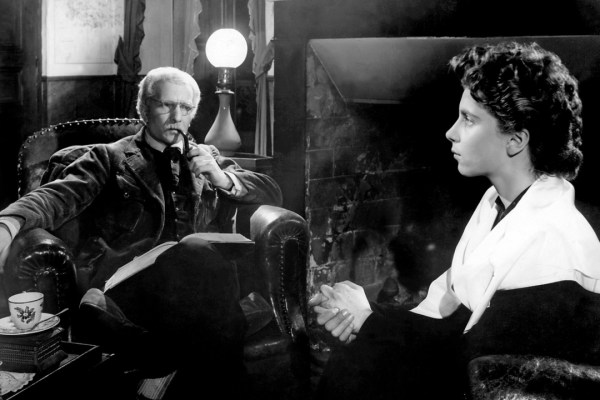

A textbook example of how to produce a handsome adaptation of an iconic novel, Polanski fashions a naturalistic if elegiac tale featuring an excellent Nastassja Kinski in a breakthrough performance.
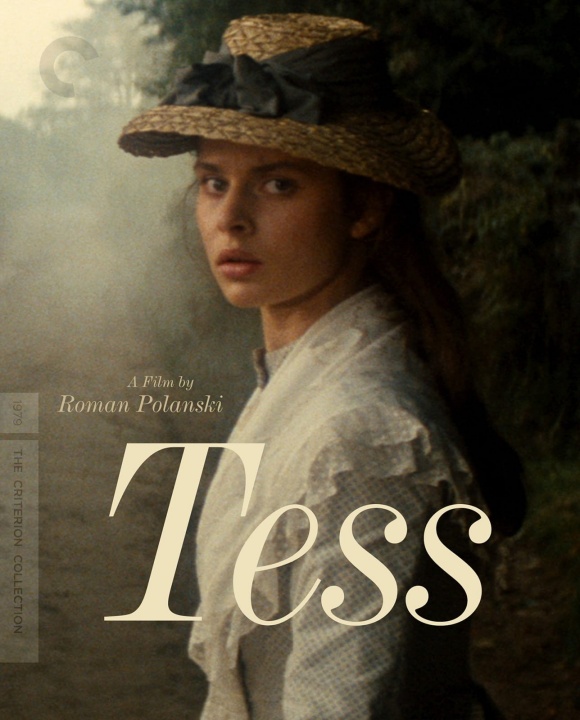
Review #2,947
Dir. Roman Polanski
1979 | UK, France | Drama, Romance | 171min | 2.35:1 | English
PG (passed clean)
Cast: Nastassja Kinski, Peter Firth, Leigh Lawson, John Collin, Rosemary Martin
Plot: A strong-willed peasant girl is sent by her father to the estate of some local aristocrats to capitalize on a rumour that their families are from the same line, but is left traumatised from her experiences.
Awards: Won 3 Oscars – Best Cinematography, Best Art Direction-Set Decoration, Best Costume Design & Nom. for 3 Oscars – Best Picture, Best Director & Best Original Score
Distributor: Pathe
Accessibility Index
Subject Matter: Falling In/Out of Love; Class & Exploitation
Narrative Style: Slightly Complex
Pace: Slightly Slow
Audience Type: Slightly Mainstream
Viewed: Criterion Blu-ray
Spoilers: No
Released ten years after the murder of Sharon Tate, Tess is Roman Polanski’s gift to his beloved wife who had hoped he would adapt one of her favourite novels one day.
Instead of Tate, whom I’m sure Polanski would have eyed for the lead role, we have Nastassja Kinski as the eponymous figure in this Thomas Hardy (whom I first got to know of with 2015’s Far from the Madding Crowd) adaptation for the big screen.
Although Kinski had been featured as early as 1975 in Wim Wenders’ Wrong Move, it wasn’t until Tess that she had her international breakthrough, before further solidifying her reputation with a supporting turn in Wenders’ masterpiece Paris, Texas (1984).
She embodies Tess’ shyness and innocence as her natural beauty catches the eye of two potential suitors, the first of whom would do lasting damage to her.
As the eldest girl in her peasant family, she soon learns the necessity of taking responsibility, even as the people around her exploit her to varying degrees as a pawn in the chessboard of life.
”There are no stars tonight. Perhaps we could have made our souls take flight together.”
At nearly three hours long, Polanski’s film is a gentle and intimate epic, beautifully photographed by 2001: A Space Odyssey’s Geoffrey Unsworth (who died midway whilst shooting and was replaced by Au hasard Balthazar’s Ghislain Cloquet, with both winning the Oscar for Best Cinematography) in the French countryside.
With the occasional sweeping strings from the accompanying score giving the film a lush, elegiac sound, Tess, however, doesn’t always tug at the heartstrings. But I see that more as a positive as Polanski keeps an arm’s length away from the kind of forced sentimentalism that would have been easy to succumb to.
As modernity begins to creep into this pastoral landscape, Tess, like most memorable literary characters, finds herself at a crossroads as her (in)actions culminate in consequences far greater than she would imagine.
Polanski guides us through her journey of womanhood with an assured if often invisible hand. His auteurist touches may be less evident here, but his Tess is a textbook example of how to produce a handsome adaptation of an iconic novel.
Grade: A-
Trailer:
Music:
 Eternality Tan