





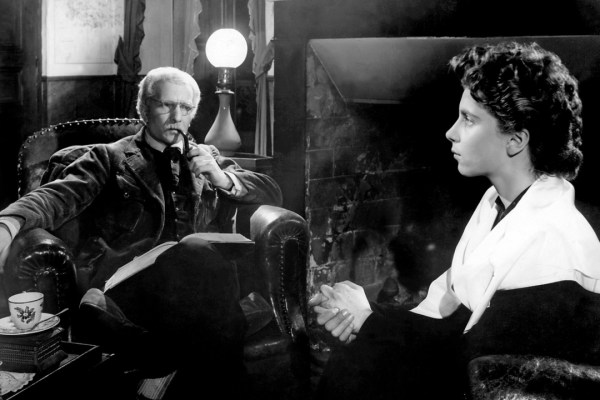
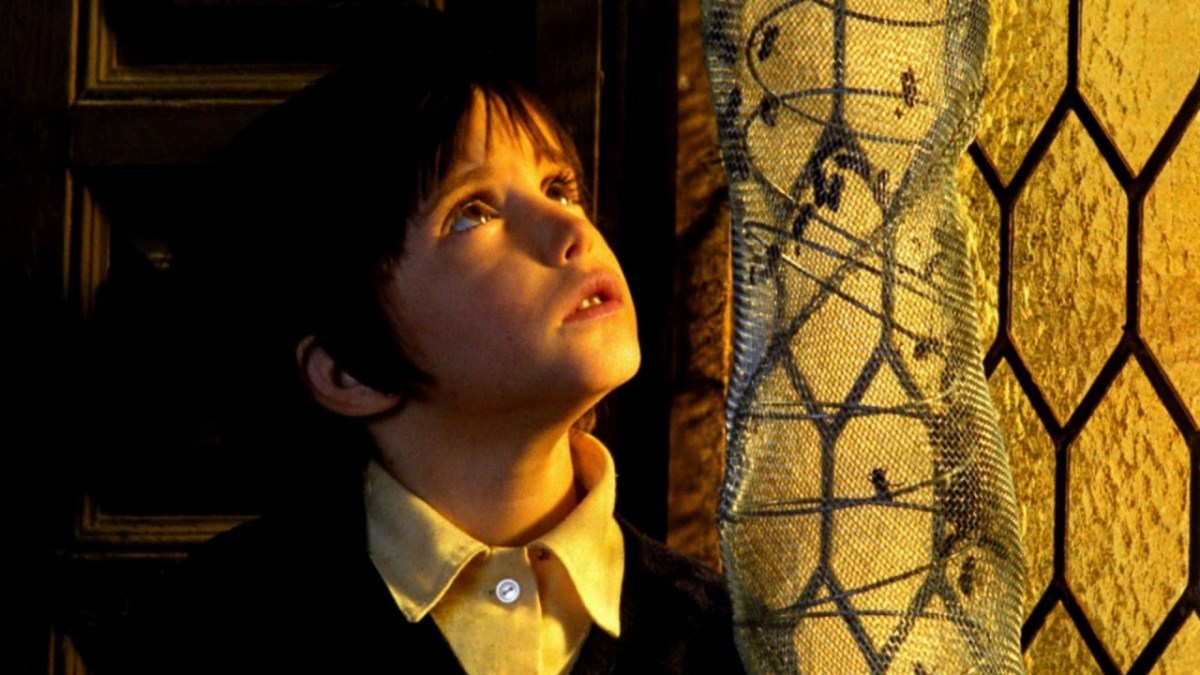
Erice’s allegorical work puts you in a trance-like spell with its picturesque cinematography and disquieting mood setting as a child is haunted by James Whale’s ‘Frankenstein’ in 1940s rural Spain.
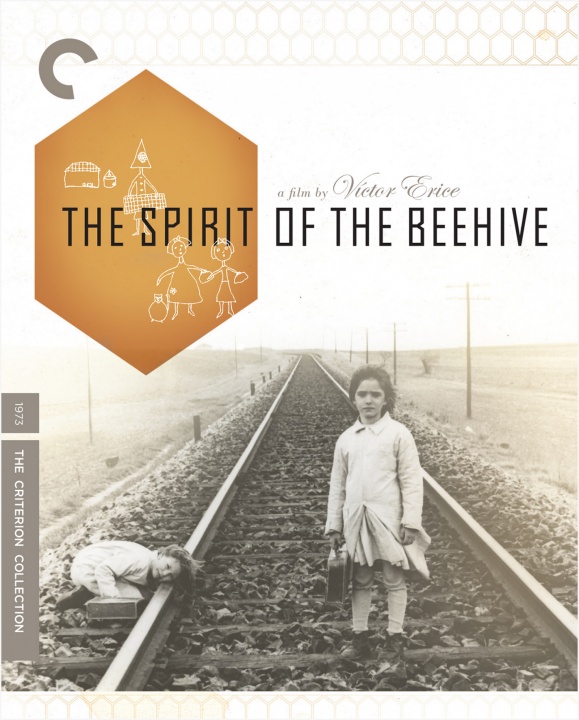
Review #817
Dir. Victor Erice
1973 | Spain | Drama | 99min | 1.66:1 | Spanish
PG (passed clean)
Cast: Fernando Fernan Gomez, Teresa Gimpera, Ana Torrent
Plot: A sensitive seven-year-old girl living in a small village in 1940s rural Spain is traumatized after viewing James Whale’s “Frankenstein” and drifts into her own fantasy world.
Awards: –
Distributor: Tamasa Distribution
Accessibility Index
Subject Matter: Moderate – Childhood; Memory & Trauma
Narrative Style: Slightly Complex
Pace: Slow
Audience Type: General Arthouse
Viewed: DVD
First Published: 6 Dec 2012
Spoilers: No
This film will hypnotise you, if you are a patient viewer. Patience is a virtue that has since lost its value in most of today’s moviegoers, so it is refreshing to revisit older films from another era (and from another land) to calm ourselves down.
The Spirit of the Beehive gives viewers that opportunity to calm down, and be bewitched, if I may add. It is a slow film with plenty of wide shots and long takes. And they are extraordinarily beautiful. Directed by Victor Erice, The Spirit of the Beehive is considered one of the finest achievements in all of Spanish cinema.
Set in a rural Spanish village in 1940, the film centers on an introverted and sensitive girl named Ana (Ana Torrent). She catches a movie screening of James Whale’s Frankenstein (1931) one afternoon and becomes traumatised by the memory of it.
She has a sister who claims to be able to see the spirit of Frankenstein’s monster, and whose behaviour becomes suitably creepy. In one disturbing scene, the sister almost strangles a black cat to death on her bed.
The siblings live in a large, relatively isolated house with their parents who don’t talk to each other. All this points to a setting that is ripe for a child’s psychology to develop in strange ways.
“I told you he was a spirit. If you’re his friend, you can talk to him whenever you want. Just close your eyes and call him… ”
Despite the film’s considerable beauty (some of the shots are as stunning as that of Malick’s Days of Heaven (1978)), there is a kind of disquieting atmosphere throughout.
There is a feeling that something para-natural is hiding behind the imagery. Well, it doesn’t quite engulf you, but it puts you in a transient trance-like state. Of course, it may also put others to permanent sleep.
The Spirit of the Beehive is not plot-driven, so don’t expect to be engaged by a narrative. Instead, Erice taps on the film’s quasi-surrealistic quality to drive the motivations of its characters, in particular Ana.
This film is curiously unique in that it engages solely through mood. Some films find their way to a person’s heart; Erice’s film can be said to find its way to the viewer’s sixth sense.
The Spirit of the Beehive is best read as an allegory to the horrors of the 1936 Spanish Civil War on the innocent child. While by no means horrific, it incorporates slight elements of horror, hinting at the possibility of child possession by a spirit.
Unlike Del Toro’s Pan’s Labyrinth (2006), also similar in allegorical intention, Erice’s film draws on a haunted memory rather than a bizarre fantasy. That memory is what’s left of Ana, and in a chilling metamorphosis, she becomes the memory.
Grade: A
Trailer:
 Eternality Tan
[…] painful lament about what could have been, Erice’s second feature after the similarly-lauded The Spirit of the Beehive (1973) is certainly essential […]
LikeLike
[…] young, bright-eyed if soulful Ana Torrent (of 1973’s The Spirit of the Beehive fame) gives an exceptional performance as Ana, who must adapt to a new reality after her mother […]
LikeLike