





Itami’s most famous film, a ramen Western, is unpredictable but electric, showing with deadpan humour how food penetrates every aspect of life.

Review #2,901
Dir. Juzo Itami
1985 | Japan | Drama, Comedy | 114min | 1.85:1 | Japanese
R21 (passed clean) for sexual scenes
Cast: Tsutomu Yamazaki, Nobuko Miyamoto, Ken Watanabe, Koji Yakusho, Rikiya Yasuoka
Plot: A truck driver stops at a small family-run noodle shop and decides to help its fledgling business. The story is intertwined with various vignettes about the relationship of love and food.
Awards: Official Selection (Toronto)
Source: Itami Productions
Accessibility Index
Subject Matter: Moderate – Food & Life; Social Etiquette; Ramen Shop
Narrative Style: Slightly Complex – Vignette Style
Pace: Normal
Audience Type: Slightly Arthouse
Viewed: Criterion Blu-ray
Spoilers: No
My first Juzo Itami film has got to be his most famous work, the sweet-sounding Tampopo. That’s also the name of a widow who is desperate to learn how to make great ramen so that folks will patronise her modest-looking shop.
A truck driver, Goro, and his sidekick, Gun, stop by and decide to help her improve her solo business. Goro dons a cowboy hat, though without the smouldering look associated with the archetypal hero; in its place is a gaze of affectionate pragmatism—he must teach Tampopo how to fish so that she can fish herself.
Deep down, it is obvious he likes her, yet he is happiest if she succeeds by not needing him anymore. And succeed on her own she must, as Itami’s ramen Western morphs into a tantalising series of vignettes that alternate with the main story.
It’s a slippery film, like a slithering eel—unpredictable but electric, and almost always humorous in the way Itami sets up various scenarios in deadpan fashion, particularly making fun of Japanese social etiquette.
“You came along and helped me find my ladder.”
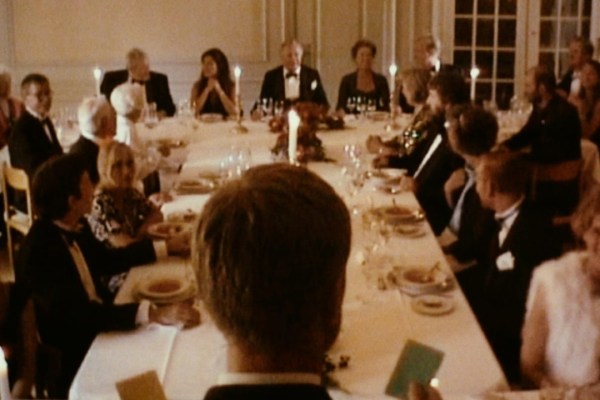
At the same time, Tampopo shows us how food penetrates every aspect of life, be it lovers exploring erotic sex, an elderly woman with a fetish for pressing food, or a dying wife cooking what could be the last meal for her family.
All these and more form a rich tapestry of experiences, whether positive or wicked in nature. I find the structure of Tampopo most fascinating, in how the smaller segments that work like quaint short films amplify Tampopo’s earnest relationship with food.
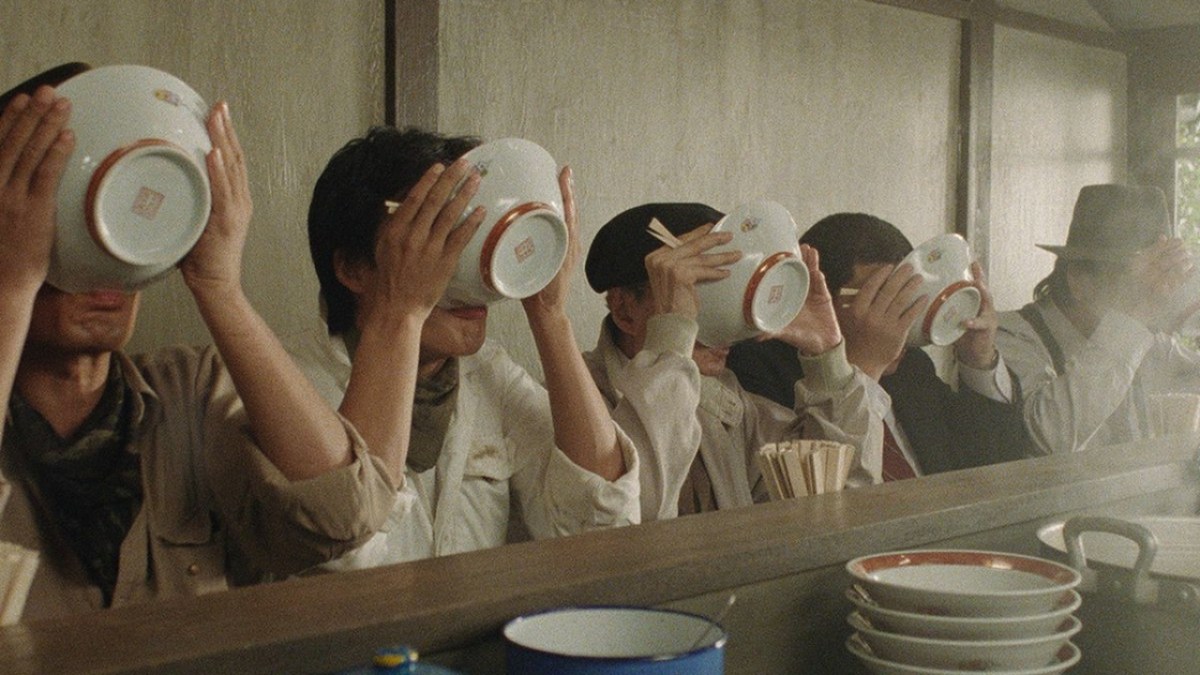
She must cook and serve her customers well to survive. Every empty, finished bowl counts in this competitive dog-eat-dog world.
Unlike a Western, Goro doesn’t suffer from main character syndrome—neither does Tampopo need a saviour. In other words, why the mythological need to save the day when one can simply seize it?
Grade: A
Trailer:
 Eternality Tan