






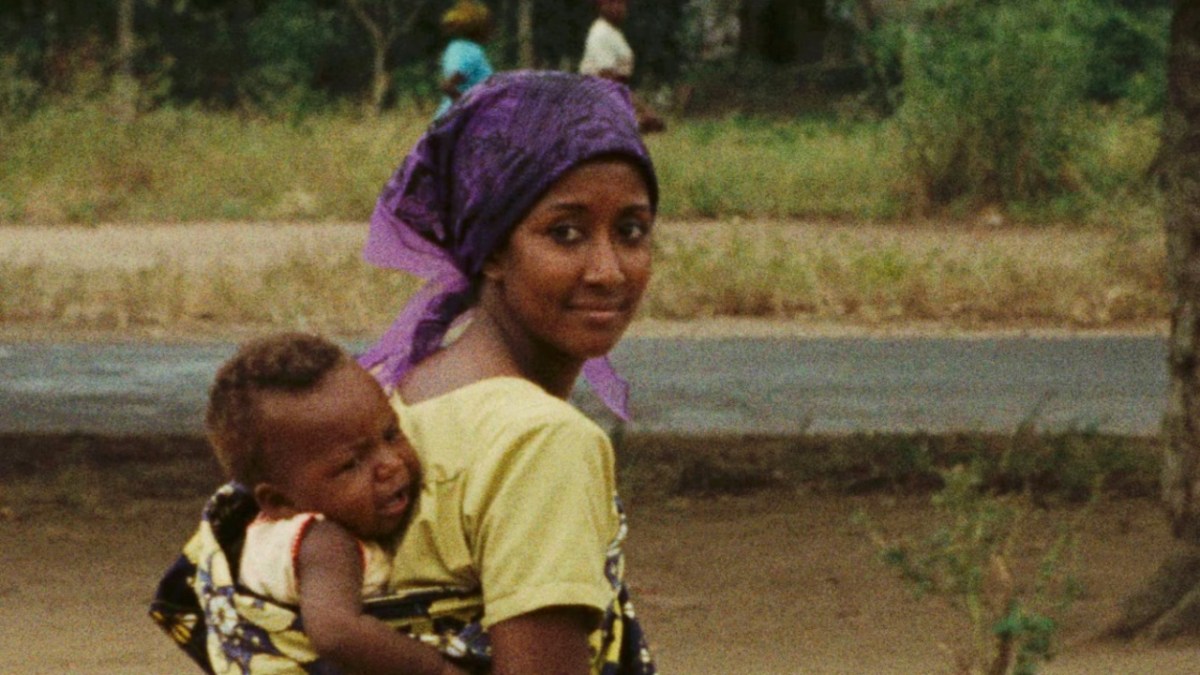
Maldoror’s only completed narrative feature about a woman trying to locate her imprisoned husband is a work of Angolan solidarity, made at a time when a war of independence was waged against their Portuguese oppressors.
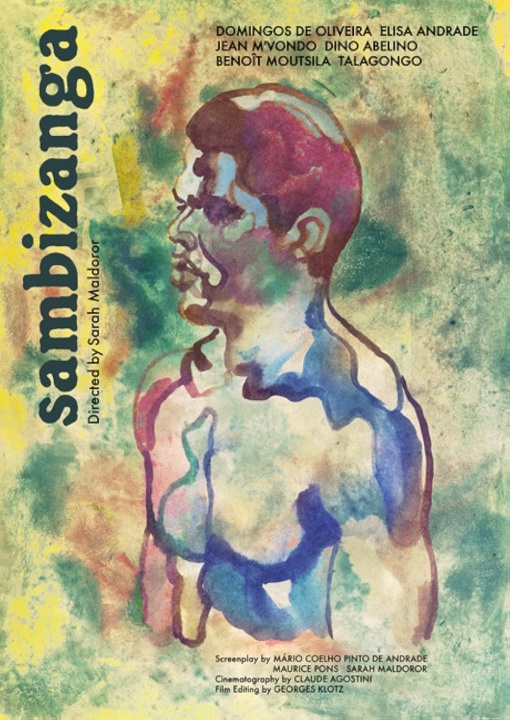
Review #2,831
Dir. Sarah Maldoror
1972 | Angola | Drama | 97 min | 1.37:1 | Portuguese, Lingala & Kimbundu
PG13 (passed clean) for some violence and brief nudity
Cast: Elisa Andrade, Domingos de Oliveira, Jean M’Vondo
Plot: Domingos is a member of an African liberation movement, arrested by the Portuguese secret police, after bloody events in Angola. His wife goes from one prison station to another, trying in vain to find out where he is.
Awards: Won OCIC Award & Interfilm Award (Berlinale)
Source: Film Foundation
Accessibility Index
Subject Matter: Moderate – Angolan Independence Movement; Oppression & Liberation; Secret Police
Narrative Style: Straightforward
Pace: Slightly Slow
Audience Type: Slightly Arthouse
Viewed: Criterion Blu-ray
Spoilers: No
The only narrative feature completed by Sarah Maldoror, who passed away at the age of 90 in 2020, Sambizanga is one of a handful of African films championed by the Film Foundation.
Maldoror, sometimes known as the ‘mother’ of African cinema, honed her craft through shorts, mostly documentaries, and even served as an assistant director on Gillo Pontecorvo’s masterpiece The Battle of Algiers (1966).
With Sambizanga, she has crafted a political work that is also beautiful to look at, a far cry from the more distancing militant (or Third) cinema by her compatriots from both Africa and Latin America.
Because of its picturesque images of the daily lives of Angolans, Maldoror’s film is visually accessible, operating like a drama about a woman (with a baby in tow) who travels on foot for hundreds of miles to locate her husband who has been captured and imprisoned by the secret police.
“You are with the whites. It is you who make the people suffer.”
Sambizanga was shot when Angolans were waging a war of independence against their Portuguese oppressors. With some of the cast already engaged in clandestine political activities, Maldoror’s work becomes infused with a deep sense of revolution by the people, and hence, it becomes an invaluable marker of that volatile period of human struggle.
War and revolution are usually perceived as the domain of men, but in Sambizanga, Maldoror shows that success can only come with the participation of everyone, including women, the elderly and even children.
The ideas of solidarity and community as critical tenets of the people’s revolution are woven into the plot, where we see, in particular, a kid and his grandfather playing a crucial role in the anti-colonial resistance force.
As Western powers continue to ravage many parts of Africa, including neighbouring Congo where this film was shot more than 50 years ago, Sambizanga is a reminder that there are Africans who are fighting for, rather than among, themselves.
Grade: B+
Trailer:
 Eternality Tan