





Malaysia’s taboo but painful ‘513’ incident is tackled through Chong’s sophomore feature, an exceptional work that shrewdly uses a diptych narrative structure to delve deeper into unresolved trauma.

Review #2,801
Dir. Chong Keat Aun
2023 | Malaysia | Drama, History | 116 min | 2.35:1 | In Mandarin, Hokkien, Malay & Cantonese
NC16 (passed clean) for some coarse language
Cast: Wan Fang, Pearlly Chua, Rexen Cheng Jen-Shuo, Pauline Tan, Peter Yu
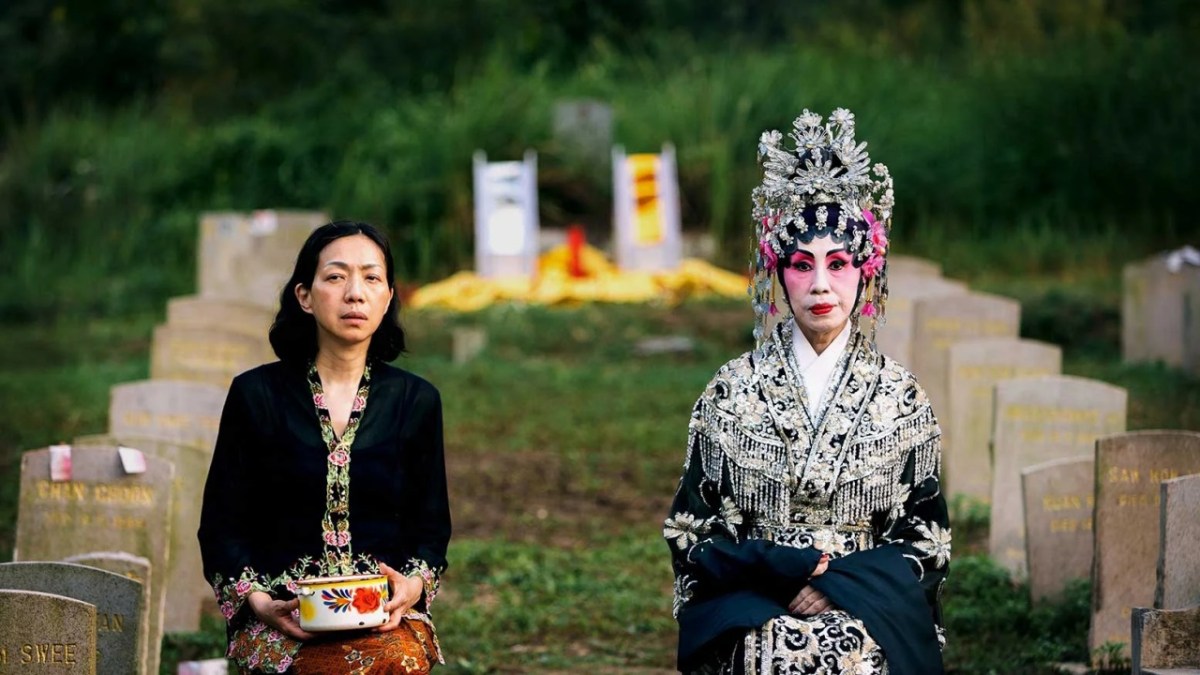
Plot: In 1969, post-election tensions gripped Kuala Lumpur when the Cantonese street opera “Snow in June” showcased Dou E, portrayed by the troupe master. Amid a riot, Ah Eng and her mother sought refuge with the troupe, losing contact with her brother and father. In 2018, Ah Eng returned to Kuala Lumpur and unexpectedly encountered “Dou E” at the cemetery.
Awards: Won Cinema & Arts Award – Special Mention (Venice); Won 1 Golden Horse – Best Sound Effects; Nom. for 7 Golden Horses – Best Narrative Feature, Best Director, Best Supporting Actress, Best Adapted Screenplay, Best Cinematography, Best Makeup & Costume Design, Best Original Film Score
International Sales: August Pictures
Accessibility Index
Subject Matter: Moderate – Historical Trauma; Malaysia’s ‘513’ Incident; Cantonese Opera
Narrative Style: Straightforward
Pace: Slightly Slow
Audience Type: Slightly Arthouse
Viewed: The Projector Golden Mile (co-presented with Singapore Film Society)
Spoilers: No
I missed this at the Singapore International Film Festival last year and then at the Singapore Chinese Film Festival this year, but it’s a case of better late than never.
Snow in Midsummer may have divided some audiences, especially those who felt it was compelling in the first half but slow and meandering in the second. The expectation of uneven pacing was at the back of my mind but it didn’t materialise for me.
In fact, I think Snow in Midsummer is an exceptional film by Malaysian director Chong Keat Aun, his sophomore follow-up to The Story of Southern Islet (2020), which won him the Golden Horse Award for Best New Director.
Tackling one of the most controversial, and hence rarely talked about incidents in the history of post-independence Malaysia—the brutal ‘513’ episode that happened on 13 May 1969—Chong shrewdly uses a diptych narrative structure to delve deeper into the unresolved trauma.
The stage is set (literally in the opening scene as a Cantonese opera troupe rehearses for the evening’s performance) for a dramatisation of the Sino-Malay violence that resulted in the deaths of hundreds of people, mostly the ethnic Chinese.
“Do you really want to search for their graves for the rest of your life?”
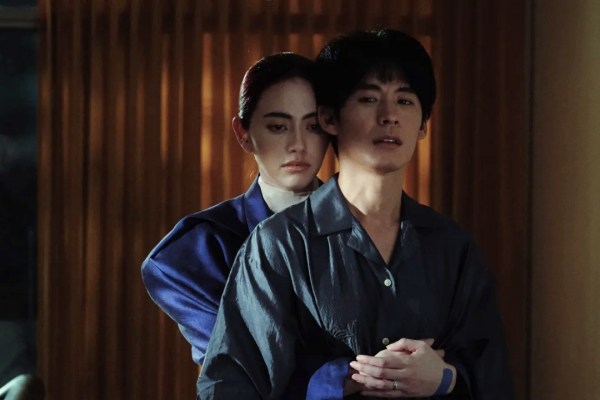
As rioting, arson and murder rage on through the night in Kuala Lumpur (Chong doesn’t show us but through sound design, he effectively creates a terrifying atmosphere of fiery danger), a young Ah Eng and her mother seek refuge with the aforesaid opera troupe.
Moving nearly half a century ahead, the latter chapter sees a much older Ah Eng (Wan Fang in a heartbreaking performance) on a journey to find the elusive graves of the family members who perished that fateful night.
A drama that refuses to be pigeonholed, Snow in Midsummer occasionally employs surrealistic touches in its encounter with myths, but it is art that takes centre stage as it probes a difficult subject while at the same time allowing some form of ‘coming to terms’ to take shape.
But until the Malaysian government has the political courage to confront this painful chapter, closure will forever remain elusive.
Grade: A-
Trailer:
Music:
 Eternality Tan
[…] Snow in Midsummer (2023) […]
LikeLike