

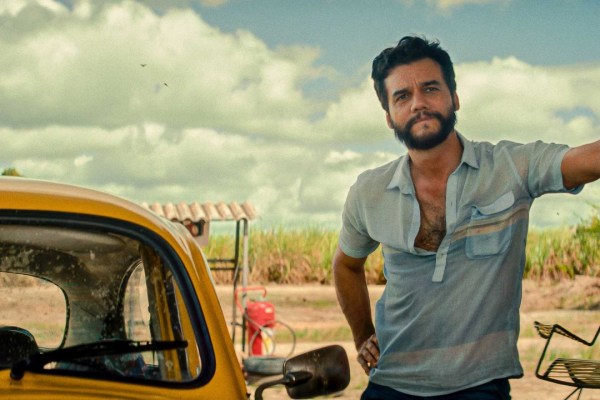
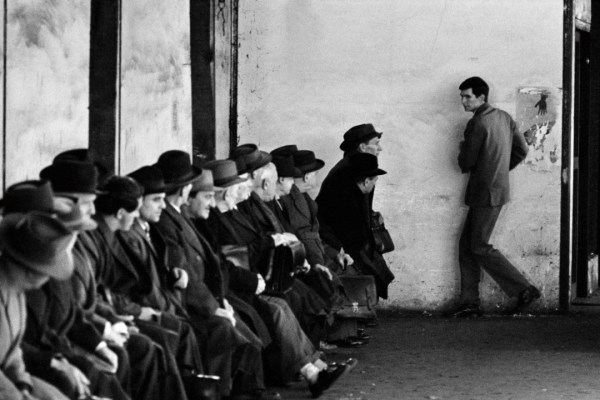
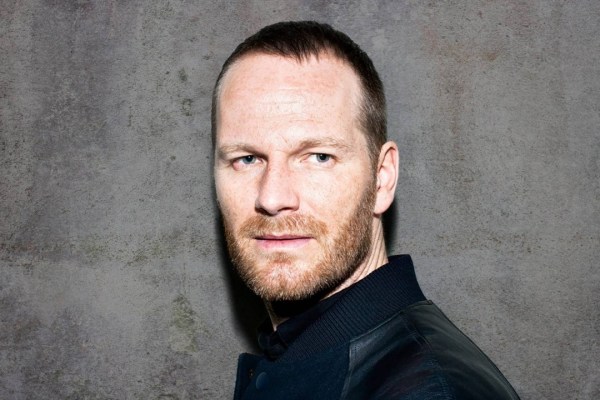
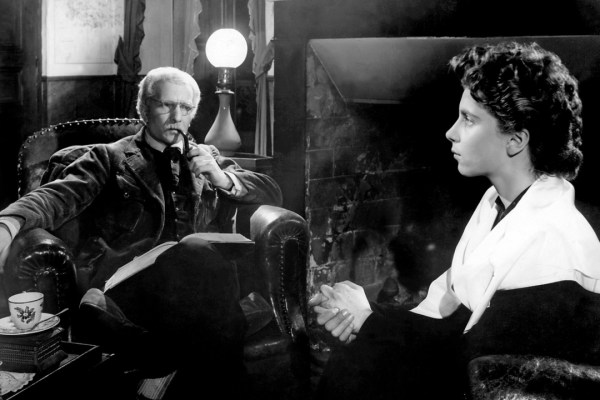
Brazilian director Karim Ainouz looks back at his family’s history as he journeys to his late father’s Algeria in search of his roots in this poetic, experimental documentary that constantly surprises with its film form and language.

Review #2,798
Dir. Karim Ainouz
2021 | Brazil, France, Algeria | Documentary | 95 min | 2.39:1 | Portuguese, Arabic, Tamashek & French
Not rated – likely to be PG13
Cast: –
Plot: Filmmaker Karim Aïnouz decides to take a boat, cross the Mediterranean and embark on his first journey to Algeria. Accompanied by the memory of his mother, Iracema, and his camera, Aïnouz gives a detailed account of the journey to his father’s homeland, interweaving present, past, and future.
Awards: Official Selection (Cannes)
International Sales: The Match Factory
Accessibility Index
Subject Matter: Moderate – Family Roots; Presence & Absence; Algeria; Personal Memoir
Narrative Style: Slightly Complex
Pace: Slightly Slow
Audience Type: General Arthouse
Viewed: MUBI
Spoilers: No
From the director of Invisible Life (2019), which could be Karim Ainouz’s most acclaimed work, though one that I didn’t quite enjoy as much as others, Mariner of the Mountains is something closer to the kind of filmmaking I’ve grown to love.
Call it poetic, experimental, or a personal memoir, the documentary traces the Brazilian director’s journey across the Atlantic, and by boat via the Mediterranean, to Algeria, his late father’s homeland, in hopes of exploring his paternal family’s roots that he knows so little of.
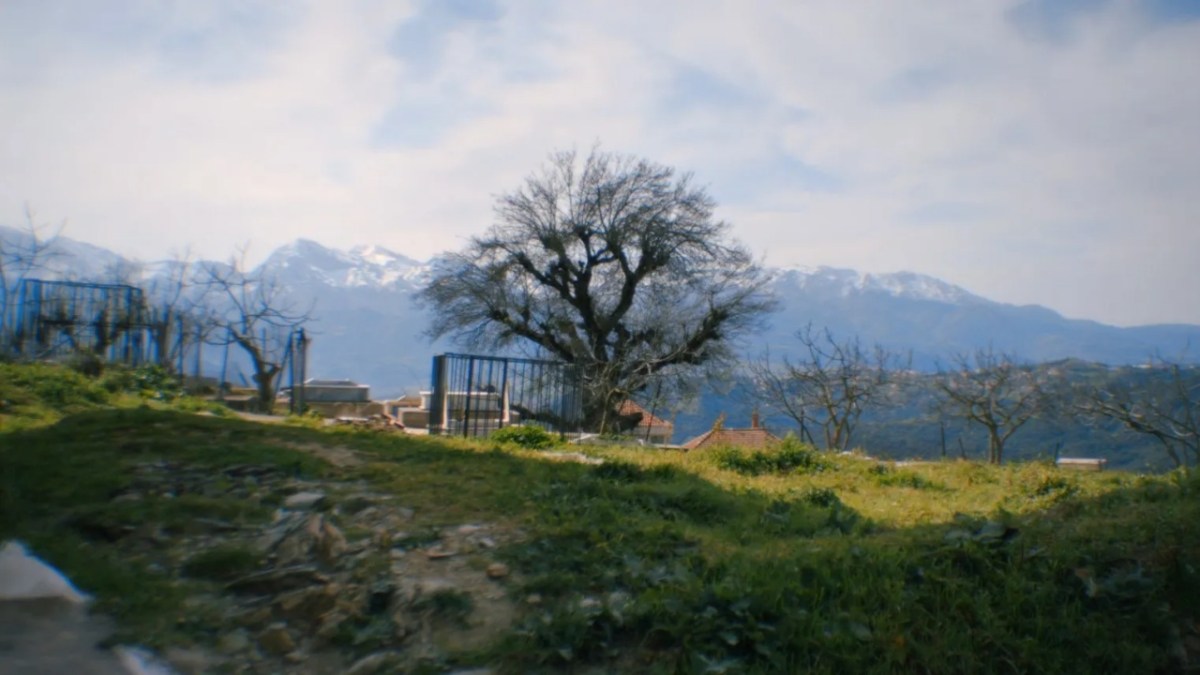
Guided by the memory of his mother, Karim documents, with a camera in tow, the people living in the mountainous villages.
What emerges in Mariner of the Mountains is constantly surprising, eschewing traditional documentary form for something far freer and fragmented. Most conspicuously, jump cuts are everywhere. But its ‘machine gun’-style editing, while somewhat stylistically indulgent, works at an ontological level.
“Will I finally be able to explain that I also come from here?”
A jump cut subverts time and space, splitting the whole into different pieces—this aligns with the film’s thematic depiction of two or more different ‘worlds’: Brazil and Algeria, mother and father, past and present, history and geography, mountains and sea.
Amidst the personal, the political inevitably also comes through as the Algerian War of Independence (against the French colonialists) takes center stage in certain moments of reflection, highlighting the impact revolution had had on an entire country’s future.
Karim, who grew up during the post-1964 Brazilian military dictatorship, naturally feels distant from the land of his roots. But he tries to connect through the Algerians he meets in the course of filming—with some surprising, revelatory segments that relate to his family name.
Veteran directors who trace back their family history are becoming more prevalent. In the same year, 2021, the Italian master Marco Bellocchio made Marx Can Wait, about the suicide of his brother in 1968. Both are as excellent as they are stylistically different.
Grade: A-
Trailer:
 Eternality Tan