



Bergman’s first documentary provides a rather brief but still insightful look at the residents (farmer, schoolteacher, newly married couple, and more) of the isolated Fårö Island, poetically shot by longtime collaborator Sven Nykvist.

Review #2,768
Dir. Ingmar Bergman
1970 | Sweden | Documentary | 58 min | 1.37:1 | Swedish
Not rated – likely to be PG13
Cast: –
Plot: Deals with a small island off the Baltic, north of Gotland, it is a depiction of the fates of the people who live on this small island and the problems they face as Swedish society as a whole is going through rapid changes.
Awards: –
Source: Svenska Filminstitutet
Accessibility Index
Subject Matter: Moderate – Isolated Community; Island Life
Narrative Style: Straightforward
Pace: Slightly Slow
Audience Type: Slightly Arthouse
Viewed: Criterion Blu-ray
Spoilers: No
In Fårö Document, when an old man who was interviewed by Ingmar Bergman revealed that he had been born in the 1860s, it left me shaken—to be able to see someone from the mid-1800s in 2024 through a film released in 1970 is one of the unique affordances of the medium.
This 102-year-old man is a resident living on Fårö Island, more commonly known by cinephiles as Bergman Island, which is only accessible by ferry.
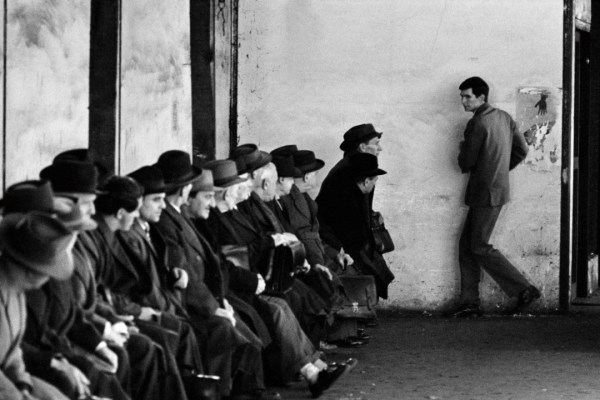
Throughout this hour-long piece, Bergman, with his longtime cinematographer Sven Nykvist in tow, interviews many more, including a farmer, a schoolteacher and a newly married couple.
They express their contentment with the simple joys of life in this isolated locale but are also honest about the lack of resources and facilities that a more connected town would naturally possess.
“Do you feel isolated here?”
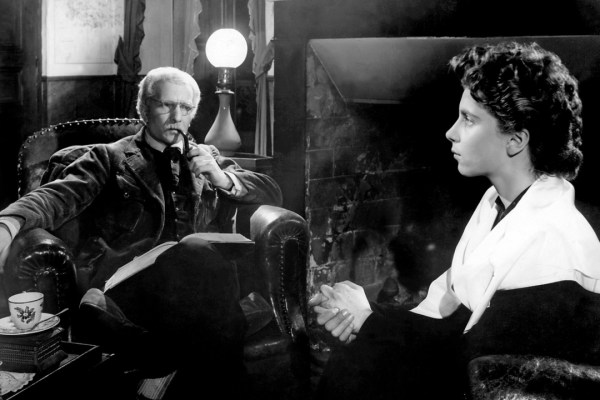
Nykvist’s 16mm camera captures most of the interviews in black-and-white, making it feel like a relic of the past, unearthed with ethnographic pride, but it is his colour photography that gives the documentary a poetic slant.
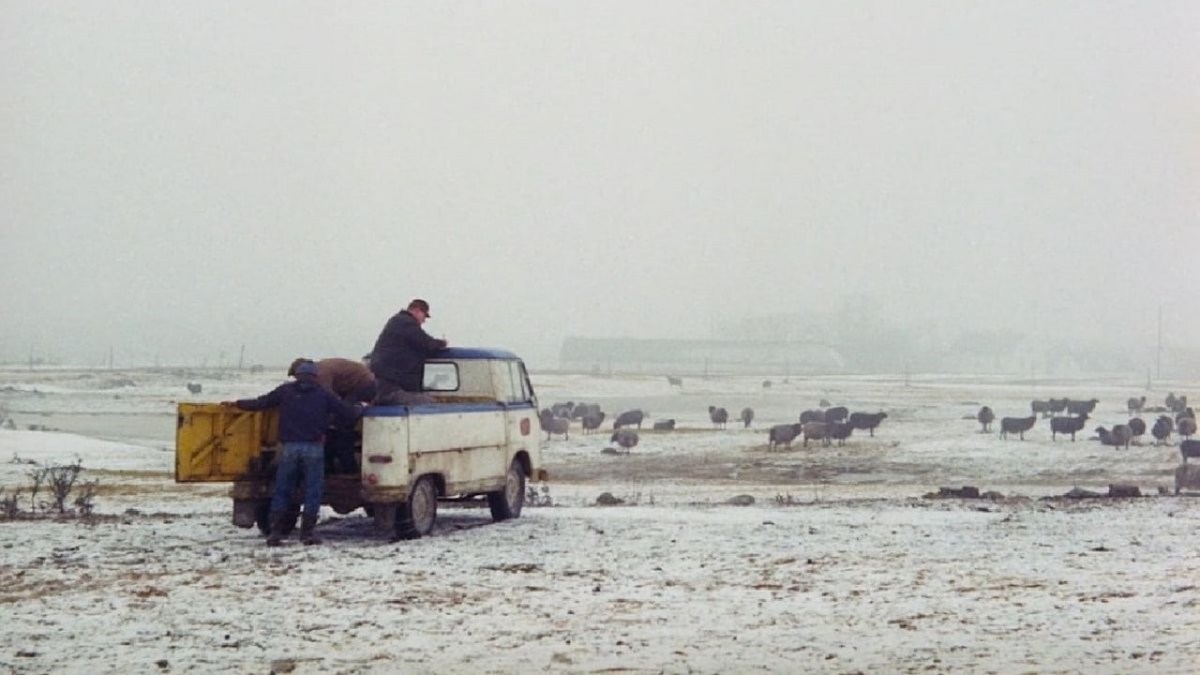
One of the most visually arresting segments in Fårö Document centers on lamb birthing—there’s no narration or dialogue, just nature doing its thing. In contrast, animal lovers would surely be left aghast at a segment showing in graphic detail what lamb slaughtering amounts to.
Life and death, youth and old age, humans and animals, history and geography—Bergman tackles them all with a documentarian’s insight, even if his film may be brief at less than an hour long (it was meant for broadcast on TV).
It was also his first-ever documentary and he would return in 1979 for another stab at this enigmatic island.
Grade: B+
 Eternality Tan
[…] say, Bergman’s Fårö Document (1970), which is a much more straightforward account of life on an island with standard talking […]
LikeLike