







Sporadically engaging despite the palpable sense of verité-style American indie filmmaking as a newly divorced woman finds herself stranded and exploited by men in this sole feature by Barbara Loden.
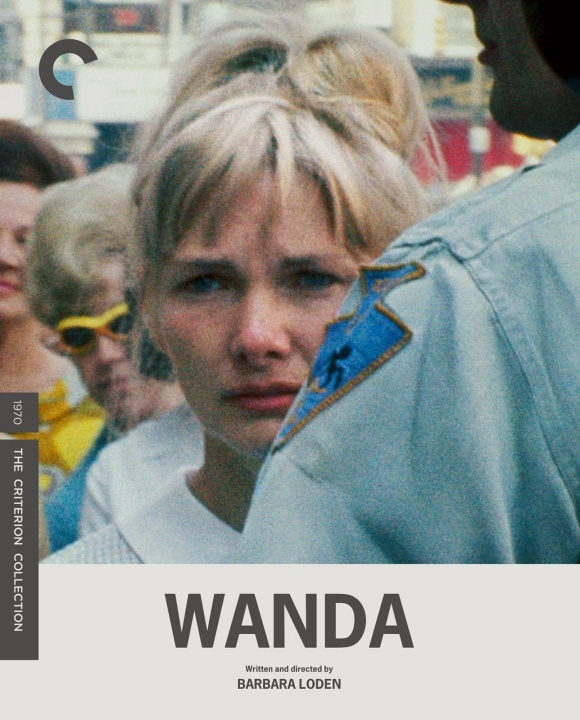
Review #2,762
Dir. Barbara Loden
1970 | USA | Drama | 103 min | 1.37:1 | English
Not rated – likely to be NC16 for sexual references and some nudity
Cast: Barbara Loden, Michael Higgins, Dorothy Shupenes
Plot: After a string of abusive relationships, Wanda abandons her family and seeks solace in the company of a petty criminal.
Awards: Won Pasinetti Award (Venice)
Source: Televentures Corporation
Accessibility Index
Subject Matter: Moderate – Divorce; Woman in Crisis
Narrative Style: Straightforward
Pace: Slightly Slow
Audience Type: Slightly Arthouse
Viewed: YouTube – Old Films Revival Project
Spoilers: No
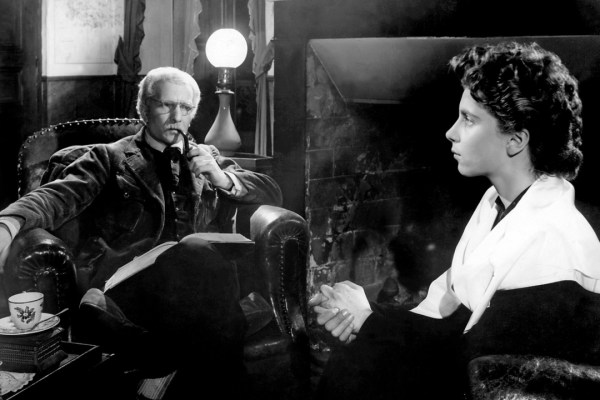
Like Charles Laughton’s The Night of the Hunter (1955), Wanda became the only feature film Barbara Loden had ever directed.
Long unavailable in a proper format, its new restoration means that this key work of American indie filmmaking of the 1970s will have the opportunity to inspire a new generation of female filmmakers, just as it did when it was first released.
Loden stars as Wanda, an out-of-luck woman who is newly divorced. She loses her kids to her ex-husband and is left stranded without shelter, food and with barely a few dollars in her purse.
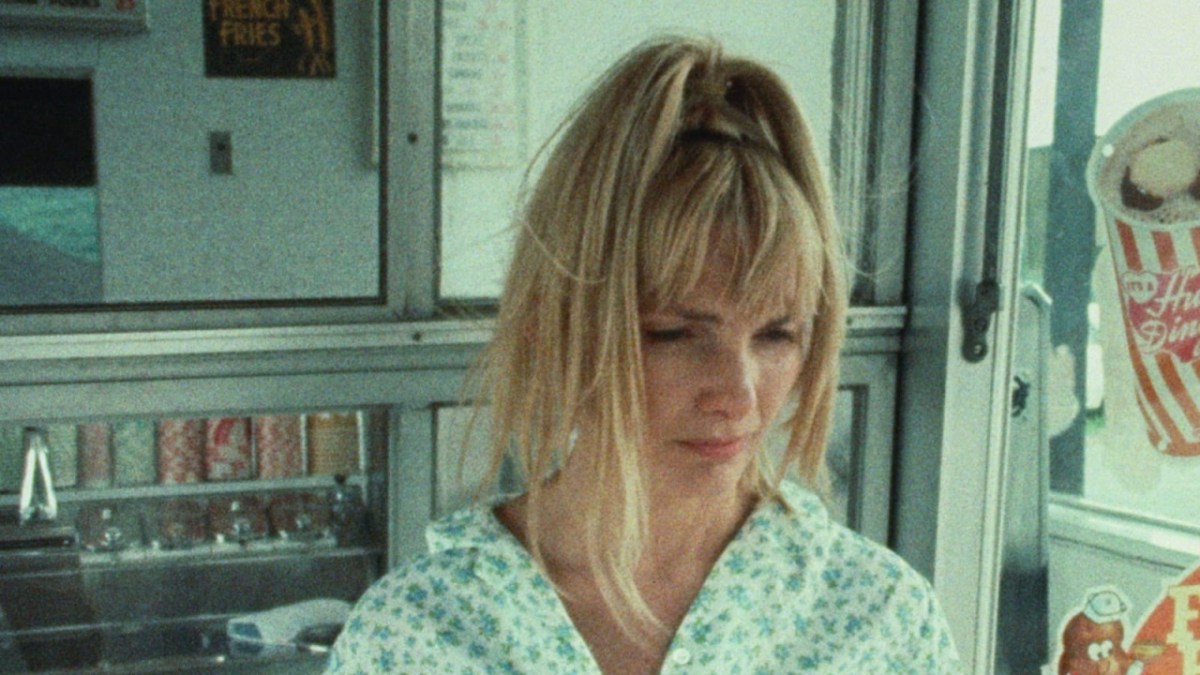
Clothed in a striking light blue floral dress, Wanda wanders around and finds herself in an empty bar with a crooked man inside.
This kickstarts the film’s quasi-‘road movie’ narrative, though nothing is fun or adventurous about her journey as she is exploited, particularly by the man mentioned above who has a much more wicked ambition than just doing petty crime.
“I guess he would’ve gotten himself a real good wife by now.”
Although sporadically engaging, Wanda benefits most from the strength of Loden’s performance. Her film is shot in a verité style where we can feel the palpable sense of immediacy, so much so that every tight framing of the protagonist reveals her continuous plight.
Yet, despite being dependent on men, often transactionally (usually sex in exchange for some food and a temporary roof above her head), she is a figure of quiet determination.
While some have argued Wanda to be a passive woman who is complicit in her predicament, and thus not exactly fulfilling the feminist film that Loden had set out to be, many others have put forth the case that this is a different kind of feminist filmmaking where a woman is put through the wringer not to show how desperate women like her could be, but that there is some strategy to the chaos.
Like an outcasted lioness in the wide African plains, Wanda is waiting for an opportunity to present itself so that she can pounce and possibly change her life for the better; in the meantime, she needs to endure.
Grade: B
Trailer:
 Eternality Tan
I love your reviews. Nuanced, insightful.
LikeLiked by 1 person
Thanks for your kind words!
LikeLike
[…] Wanda (1970) […]
LikeLike