


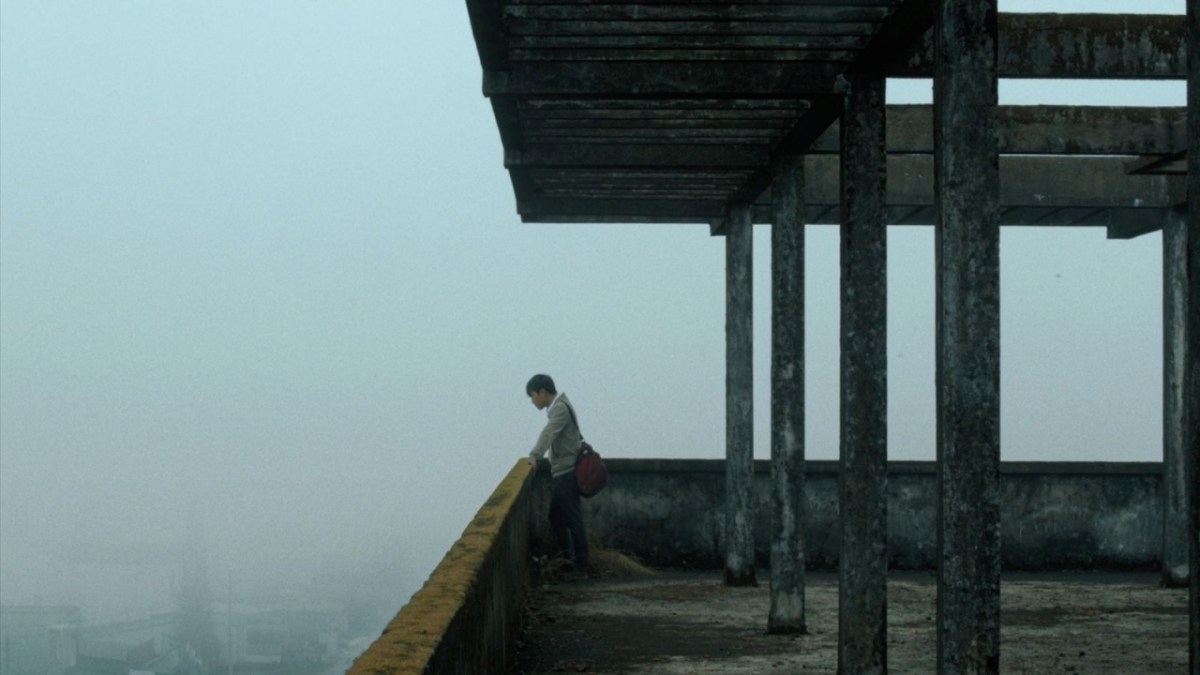
Technically exceptional but overlong and somewhat meandering, this Vietnamese Cannes Camera d’Or-winning work takes a leaf out of Weerasethakul’s slow cinema playbook, as a man must process and reflect on loss after an unexpected death in the family.
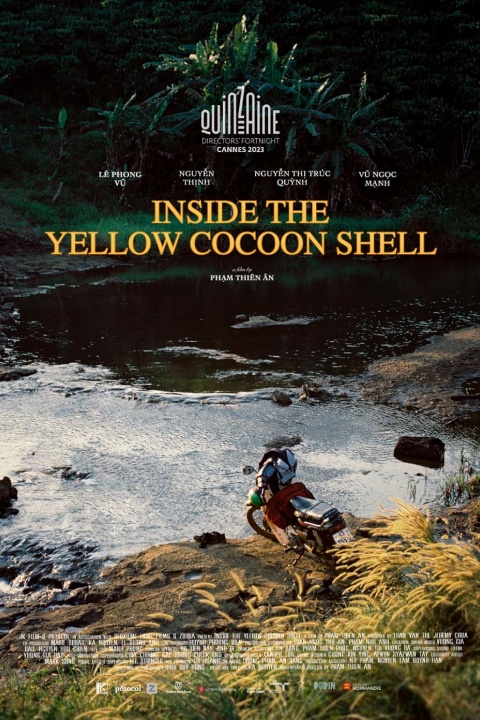
Review #2,683
Dir. Pham Thien An
2023 | Vietnam | Drama | 182 min | 1.85:1 | Vietnamese & English
NC16 (passed clean) for a scene of intimacy
Cast: Le Phong Vu, Nguyen Thinh, Nguyen Thi Truc Quynh
Plot: After his sister-in-law dies in a freak motorcycle accident in Saigon, Thien is bestowed the task of delivering her body to their countryside hometown to which he also takes his nephew, Dao, who miraculously survived the crash.
Awards: Won Camera d’Or (Cannes)
International Sales: Cercamon
Accessibility Index
Subject Matter: Moderate – Faith; Loss; Memories
Narrative Style: Slightly Complex/Elliptical
Pace: Slow
Audience Type: General Arthouse
Viewed: Screener
Spoilers: No
I suppose an alternative title for this Cannes Camera d’Or-winning film could have been “Uncle Thien Who Can Recall His…”.
Taking a leaf out of Thai auteur Apichatpong Weerasethakul’s playbook, Vietnamese director Pham Thien An boldly channels the mystique and spiritualism of Southeast Asian slow cinema with a film that should whet the appetite of cinephiles who are into meditative cinema.
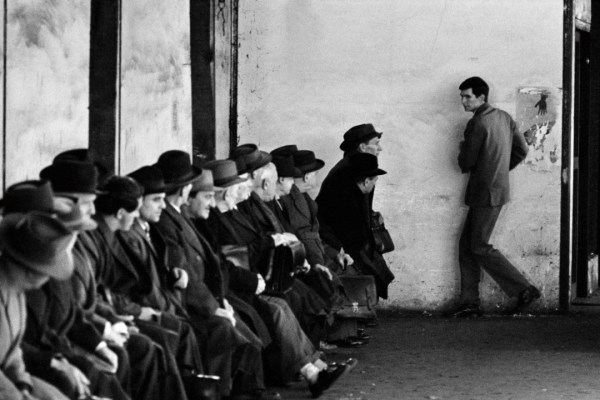
I was taken aback by its runtime when I first learnt about the film. Sure, it is filled with one long take after another, hence ‘justifying’ its length of three hours, but the philosophical problem that has eternally plagued me about this kind of cinema is: why the hell does a filmmaker have to indulgently prolong his or her work when there is little necessity to?
Inside the Yellow Cocoon Shell may be technically exceptional, particularly its cinematography, but it’s a good hour too long and hence somewhat meandering.
“This world has tempted me long enough.”
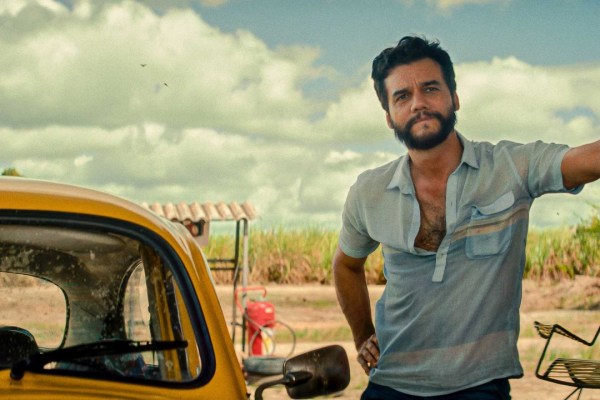
There is very little in the way of plot: the premise is about a man, Thien, who must process and reflect on loss after an unexpected death in the family. We go on a journey with him in his return to the rural hometown that had been marked by good and bad memories.
While the long takes may be excessive and don’t always work, there are moments where the boundary between reality and memory becomes invisible.
It sometimes takes a while to make sense of its oneiric form and this shroud of mystery that characterises Pham’s film is rarely lifted, which I feel allows the work to remain somewhat intriguing even when nothing of note is happening.
There is a conspicuous Christian focus on faith, and like Uncle Boonmee Who Can Recall His Past Lives (which aligns with Buddhism’s karma and reincarnation instead), Pham’s work also deals with accepting death.
Grade: B-
Trailer:
 Eternality Tan