







Perhaps too slight to really work at the level that the Thai auteur usually operates, but there are moments that invite us to ponder about the ephemeral nature of life as a trio of characters pass their time at a hotel by the river.
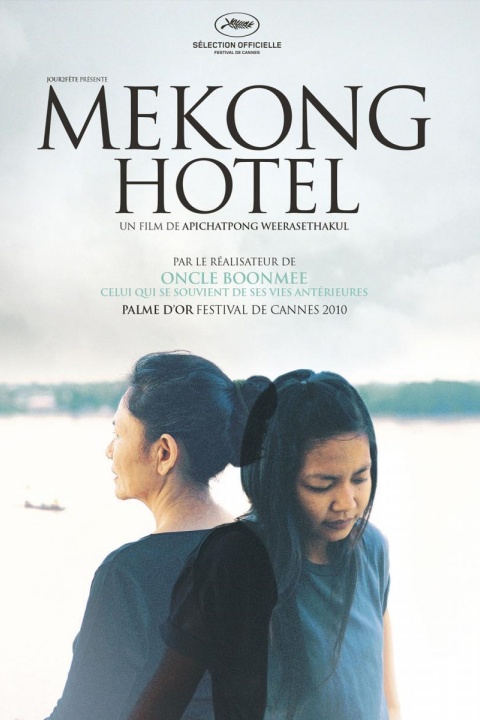
Review #2,657
Dir. Apichatpong Weerasethakul
2012 | Thailand | Drama | 61 min | 1.85:1 | Thai
NC16 (passed clean) for some disturbing scenes
Cast: Jenjira Pongpas, Maiyatan Techaparn, Sakda Kaewbuadee
Plot: Shifting between fact and fiction in a hotel situated along the Mekong River, a filmmaker rehearses a movie expressing the bonds between a vampire-like mother and daughter.
Awards: Official Selection (Cannes)
International Sales: The Match Factory
Accessibility Index
Subject Matter: Moderate – Existence & Ephemerality; Mother-Daughter Bond; Folklore
Narrative Style: Straightforward/Elliptical
Pace: Slow
Audience Type: General Arthouse
Viewed: MUBI
Spoilers: No
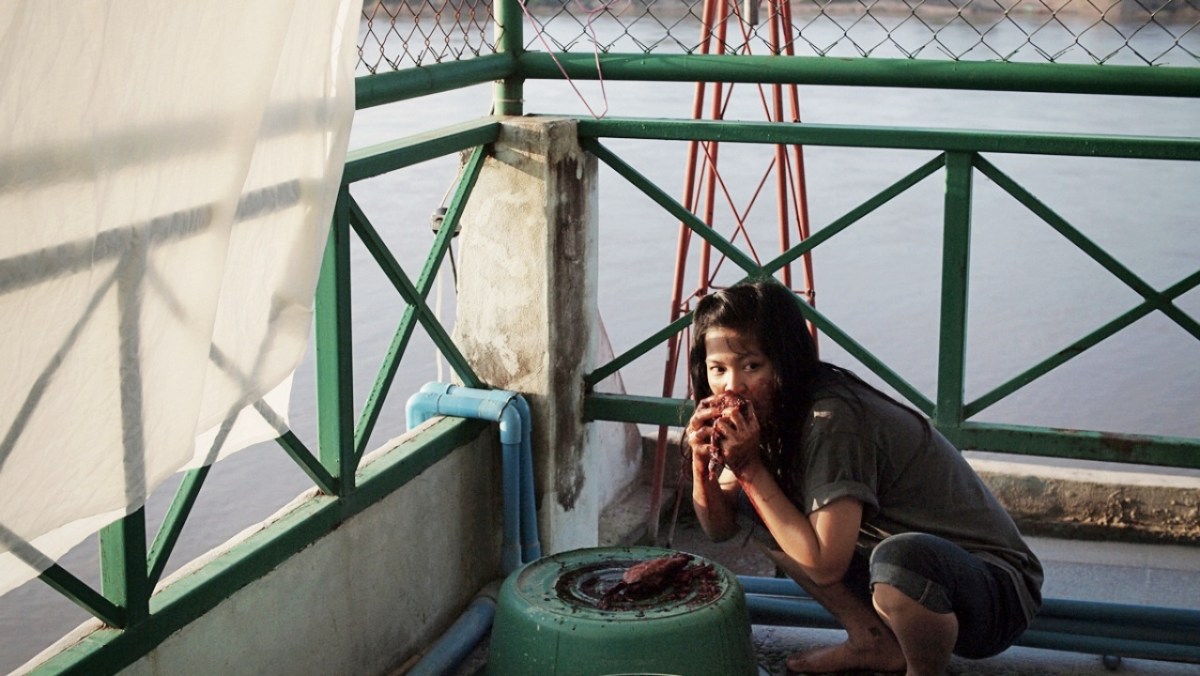
Flesh-eating ghouls appear sporadically in Mekong Hotel. But they look like normal human beings as Apichatpong Weerasethakul taps into the ghostly myths of the grand river.
This is, however, not a horror film, but a meditation on the ephemeral nature of life, well, as one would expect from the Thai auteur of slow, meditative cinema.
Running at just about an hour, Mekong Hotel feels too slight to really work at the level that the director usually operates but all the hallmarks are there, including long takes, static camera and characters that seem to exist liminally.
As they pass their time at the eponymous hotel by the river, some of their conversations literally fade out while the image continues, as if what humans say to each other isn’t as important as how we view things from a different vantage point.
“I know I am not human. But I couldn’t tell you. I was ashamed.’
But there remains a constant throughout Mekong Hotel: the melancholic sounds of the guitar, creating a sense of endless flow much like the adjacent river.
This nearly wall-to-wall music recalls that of Marguerite Duras’ Baxter, Vera Baxter (1977), which shares a similar aural spirit. However, unlike Duras’ work, which employs diegetic music entirely, here Weerasethakul uses it more boundlessly.
As a result, it aligns very much with the film’s enigmatic undercurrents—in life or death, human connections seem tenuous, so why do we exist?
Grade: B
Trailer:
Music:
 Eternality Tan