

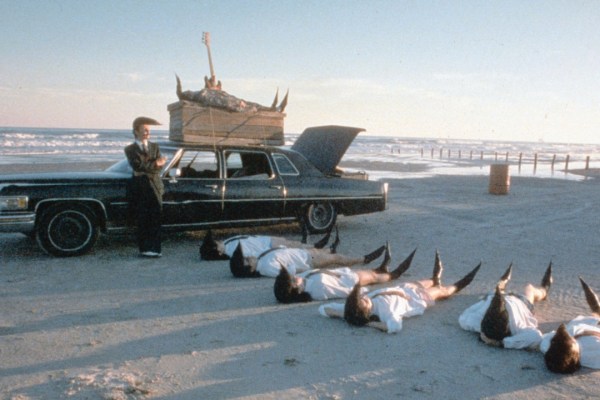

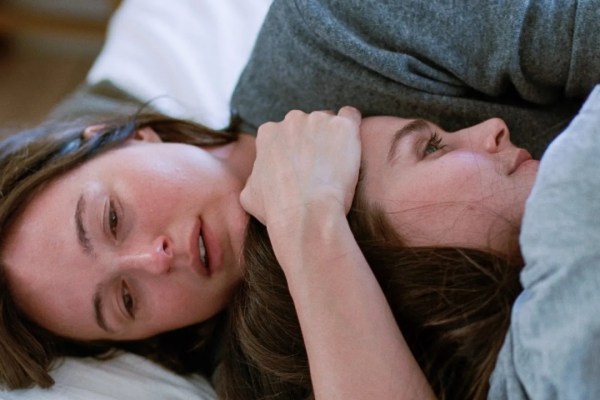
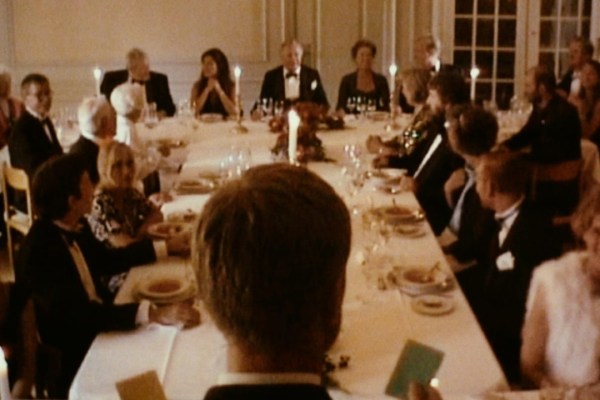

One of Makhmalbaf’s finest moments as a filmmaker, this meta-filmic exercise in reconciling with his own personal history is both poetic and introspective, and features one of cinema’s most revelatory ending shots.

Dir. Mohsen Makhmalbaf
1996 | Iran | Docufiction | 75 mins | 1.85:1 | Persian
PG (passed clean)
Cast: Mirhadi Tayebi, Mohsen Makhmalbaf, Ali Bakhsi, Ammar Tafti Dehghan, Maryam Mohamadamini
Plot: Filmmaker Mohsen Makhmalbaf was an anti-Shah radical during his teenage years before the Islamic Revolution, landing in jail after an incident with a police officer that left both wounded. Two decades later, Makhmalbaf re-creates this incident on screen with the with the help of the same officer.
Awards: Won Special Mention & Nom. for Golden Leopard (Locarno)
International Sales: Makhmalbaf Film House / MK2
Accessibility Index
Subject Matter: Moderate – Personal History, Reconciliation
Narrative Style: Slightly Complex; Meta-cinema
Pace: Slightly Slow
Audience Type: Slightly Arthouse
Viewed: MUBI
Spoilers: No
Some have regarded A Moment of Innocence to be Mohsen Makhmalbaf’s finest film, and it’s not difficult to see why. It is also not difficult to see why this deserves a place in the annals of Iranian cinema.
A highly-personal film, A Moment of Innocence sees Makhmalbaf trying to re-enact a pivotal moment of his past: his stabbing of a policeman at a protest rally that got him imprisoned.
Now 20 years on, he tracks down that same policeman to seek closure… by getting him to participate in the re-enactment of that fateful act.
By casting teenagers as themselves when they were much younger, both Makhmalbaf and the policeman would separately direct their ‘younger self’, and arrange to film the scene as serendipitously as possible at the same exact location.
While it is a meta-filmic exercise in reconciling with Makhmalbaf’s own personal history—or perhaps an attempt to fully exorcise the ghosts of his violent action—the introspective aspect of A Moment of Innocence makes it an intriguing watch as he playfully combines documentary and fictive elements to create a narrative of memory and mythos.
Some may draw comparisons with Abbas Kiarostami’s even more astonishing Close-Up (1990), a film about a man who was imprisoned for impersonating Makhmalbaf in order to direct an oblivious family in his ‘new picture’, re-enacted by the real-life figures themselves.
Ultimately, by making A Moment of Innocence, Makhmalbaf’s desire to return to the site of trauma to find a new beginning is laid bare literally—and poetically—in the final moment of the film, an ending shot that may just be the most revelatory in all of cinema.
Grade: A
Music:
 Eternality Tan