






Clandestine affairs and the desire for sexual connection mark Lou Ye’s naturalistic, if at times, meandering take on the taboos of the conservative Chinese society.
Continue reading →
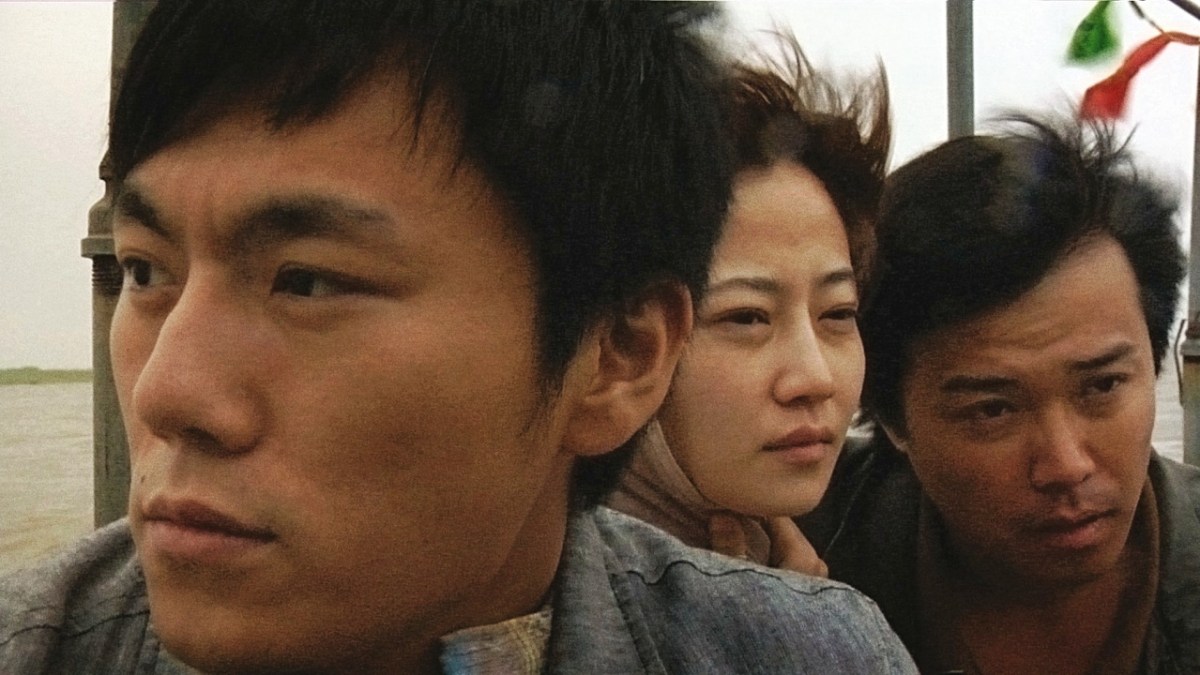
Clandestine affairs and the desire for sexual connection mark Lou Ye’s naturalistic, if at times, meandering take on the taboos of the conservative Chinese society.

Effortlessly mounted and conceptually strong, Lou Ye’s latest starring Gong Li is a dreamlike, meta-layered tale of espionage as the Allies attempt to one-up the Japanese in WWII Shanghai.
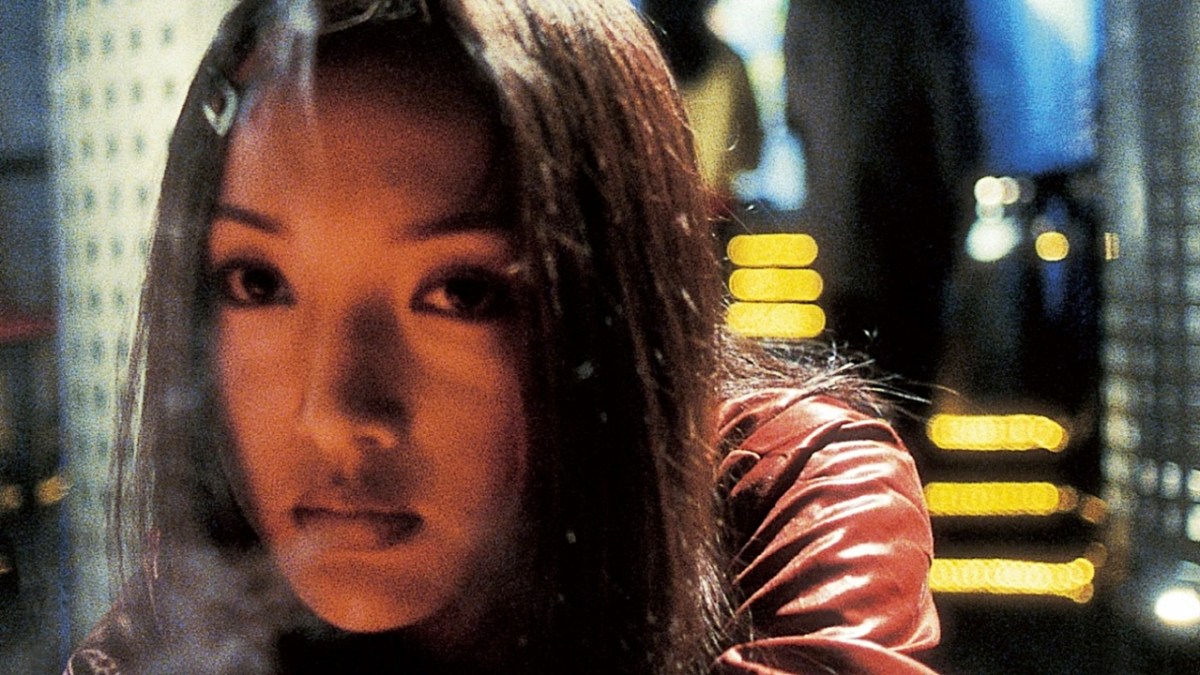
Lou Ye’s breakthrough is a risqué-lite affair, shot in a gritty, disjointed style that pays homage to Hitchcock’s Vertigo.
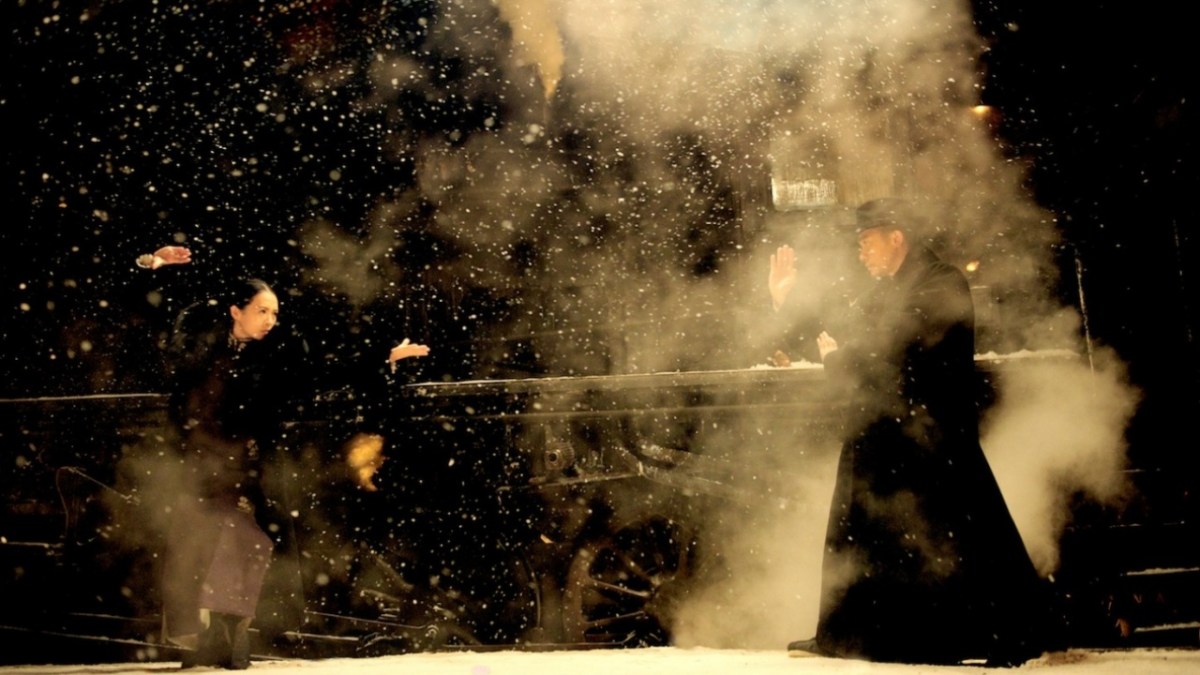
Like Leone’s Once Upon a Time in America, this is a film about the nostalgic evocation of time, space, style, and tradition.

Zhang’s latest, an espionage thriller set in 1930s Manchuria, mostly works as a violent, intricately-plotted genre exercise about spies and traitors.

There’s something very deeply moving and universal about Jia’s seemingly mundane documentary about the stories of workers (and their children) who used to ply their trade in a Chengdu factory that had made way for new commercial development as China rapidly modernised in the 2000s.
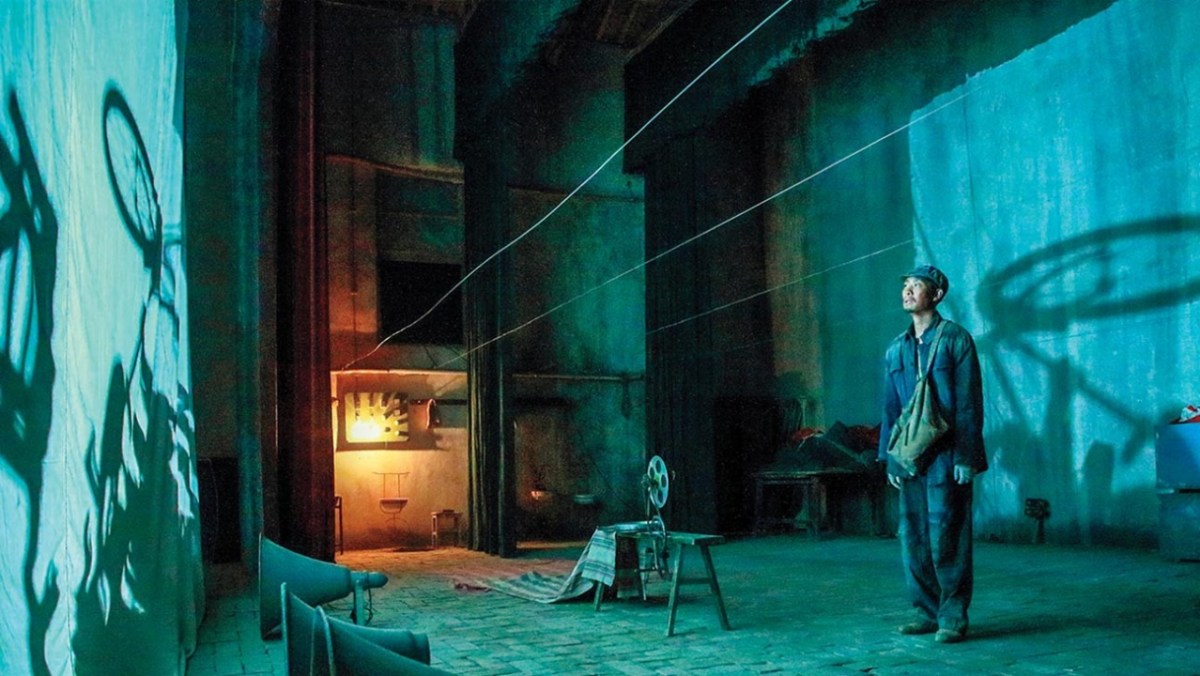
It doesn’t always work, but Zhang Yimou’s delayed new picture, about a man trying to find a reel of film that contains a shot of his long-lost daughter, features stunning performances from Zhang Yi and newcomer Liu Haocun.
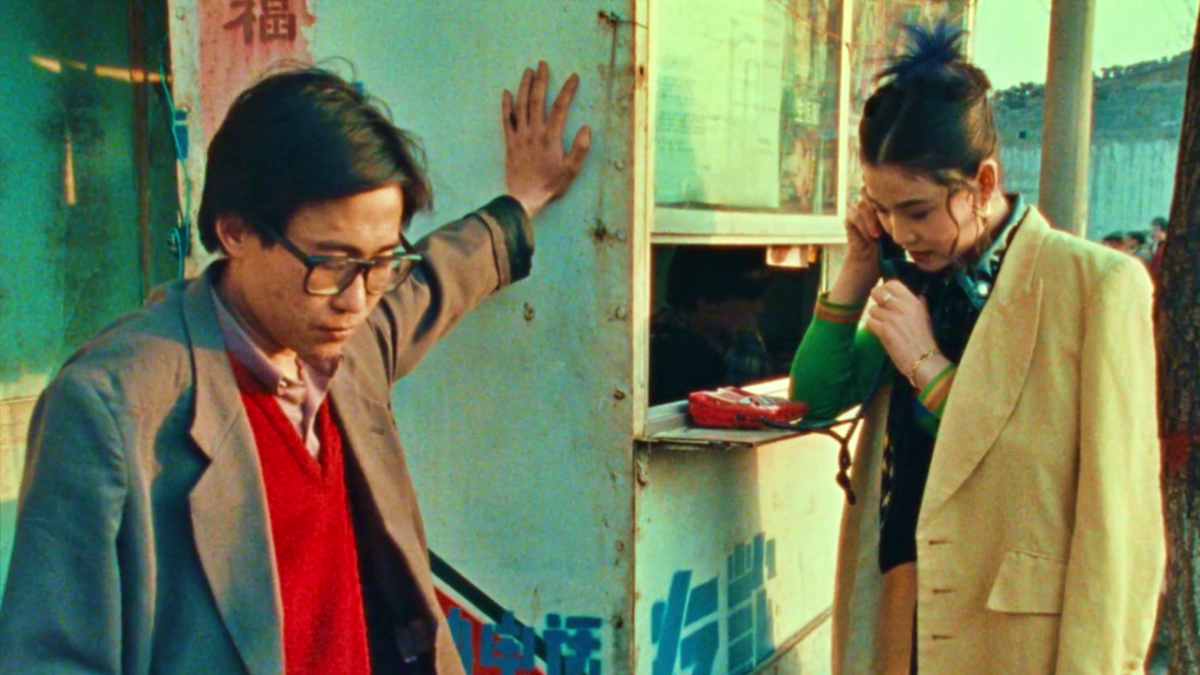
As China urbanises, a man stagnates in this masterful and revelatory feature debut by Jia Zhangke, shot in 16mm and featuring non-professional actors.
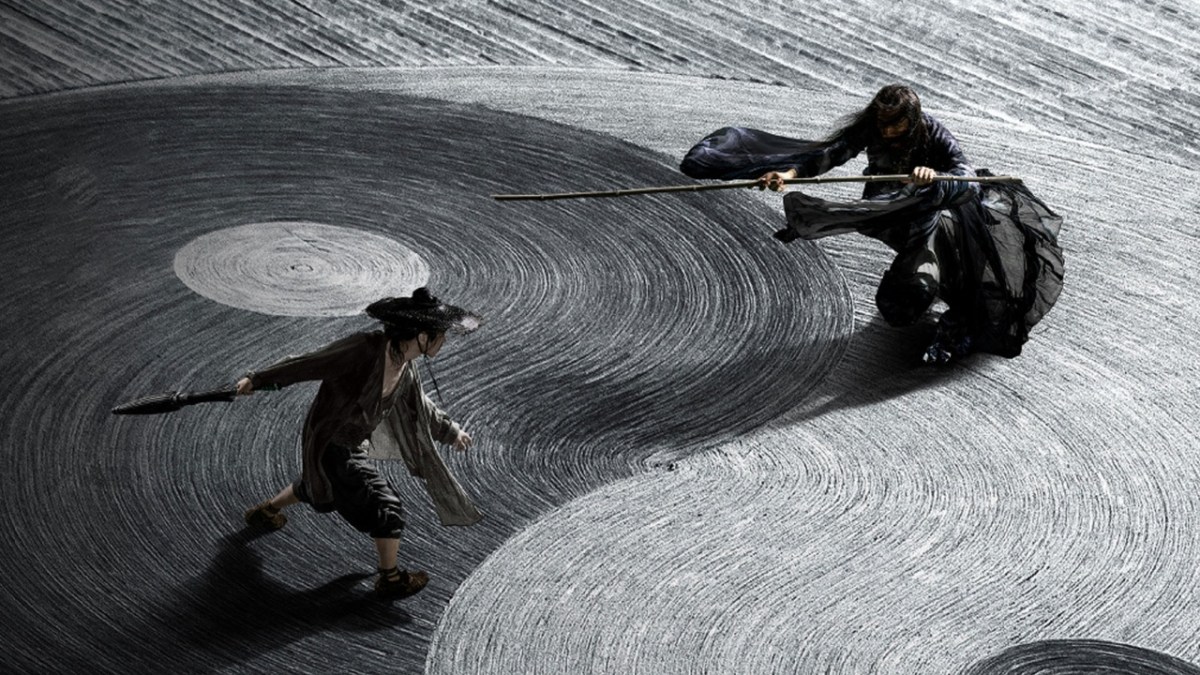
A return to form in some ways, Zhang’s monochrome martial-arts drama is visually gorgeous but not always compelling.
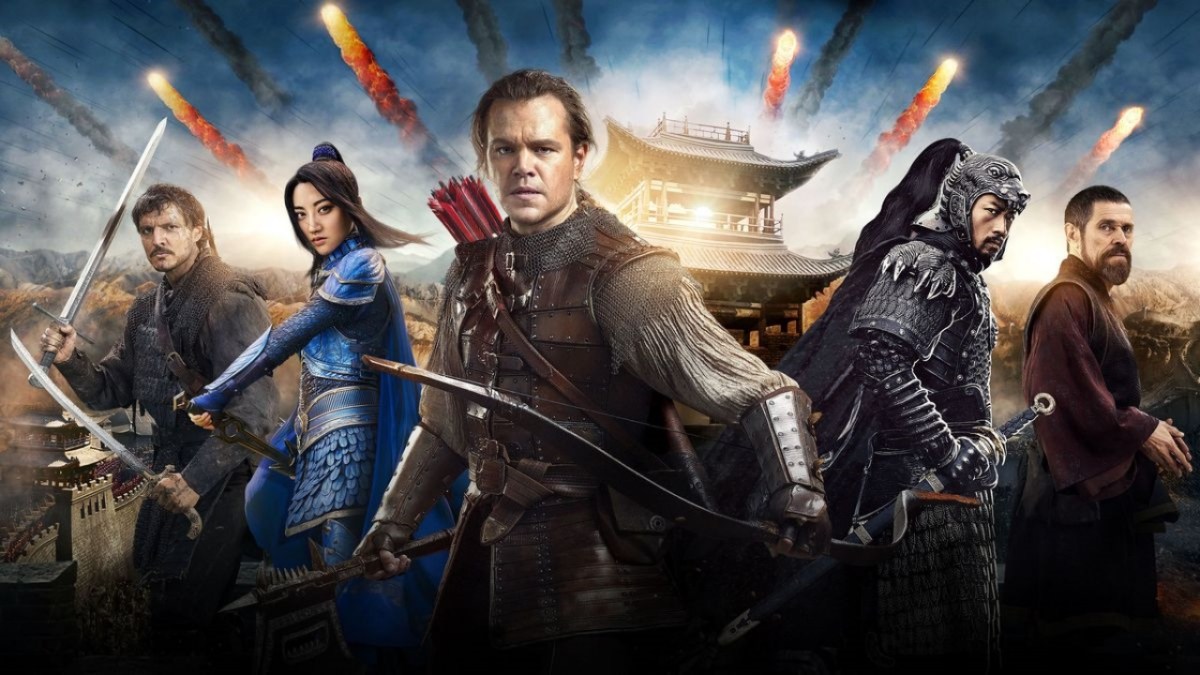
Fairly entertaining inasmuch as it is a CG-fest ‘historical fantasy’ with spectacular visual flourishes, but ultimately generic and mechanical in its execution.
 Eternality Tan