


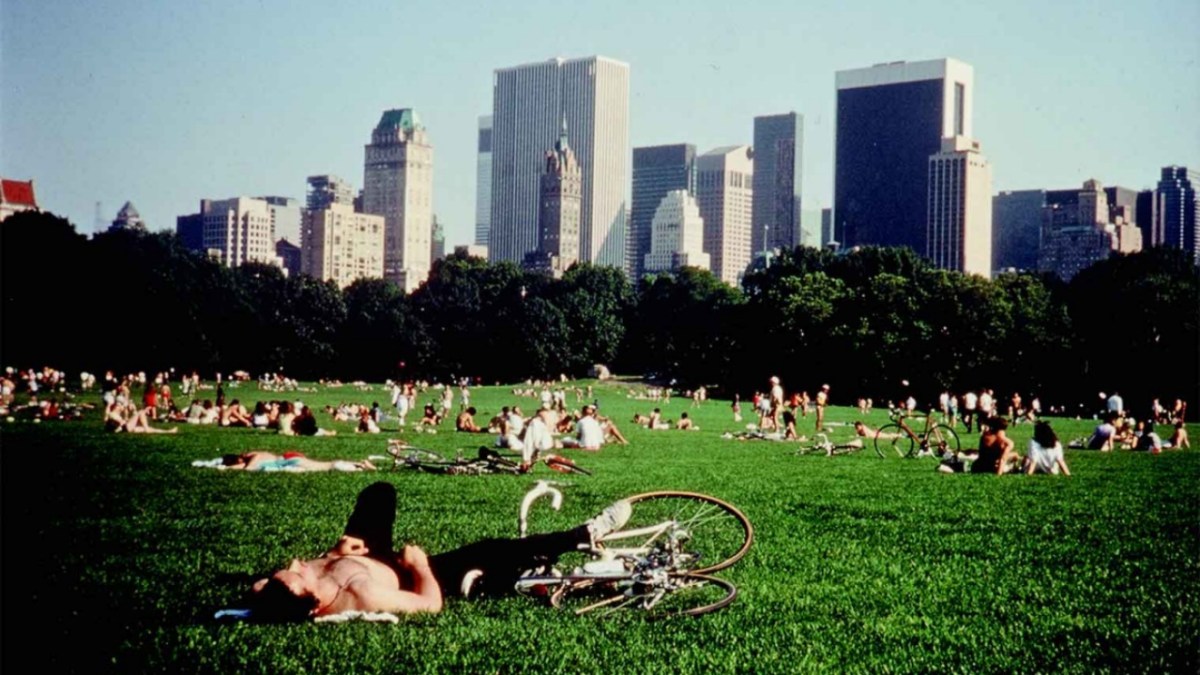
Wiseman’s observational mastery in this patient, humane, and richly textured work reveals a vision of community sustained through dialogue, care, and conflict, offering a quietly stirring reflection on what it means to nurture shared public spaces.
Review #3,073
Dir. Frederick Wiseman
1989 | USA | Documentary | 176min | 1.33:1 | English
Not rated – likely to be NC16 for some mature themes
Cast: –
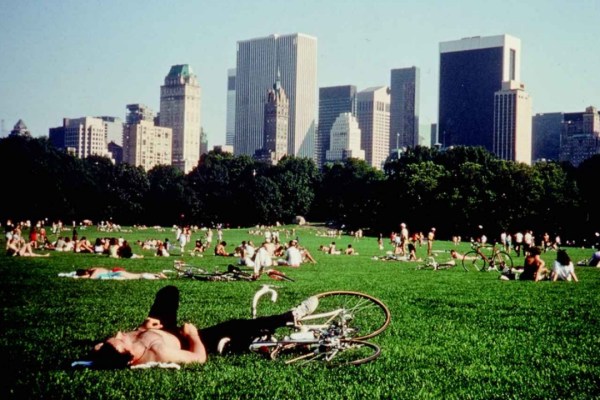
Plot: A film about the famous New York City landmark and the variety of ways in which people make use of it: running, boating, walking, skating, music, theatre, sports, picnics, parades and concerts. It also illustrates the complex problems the New York City Parks Department deals with in order to maintain and preserve the park and keep it open and accessible to the public.
Awards: Official Selection (Berlinale)
Source: Zipporah Films
Accessibility Index
Subject Matter: Light/Informative: New York Central Park; Public Spaces; Civic Debate; Community Service
Narrative Style: Straightforward
Pace: Slightly Slow
Audience Type: Slightly Mainstream
Viewed: Solidarity Cinema
Spoilers: No
It took the passing of Frederick Wiseman to really wake me from my slumber. I had been procrastinating on his filmography for a very long time, partly because I didn’t really know where to start, and some of them can be quite lengthy. So, I decided I had to begin somewhere and get the ball rolling.
Cue random number generator, which led me to Central Park, which was just as well, because I’d heard about this famed park in the heart of Manhattan, and maybe I ought to see what it looked like, or at least the 1989 version of it.
True to the director’s signature observational style with no narration, Central Park was what I had imagined a Wiseman film to be. I was taken aback by how immersive it felt, and for three hours (which flew by like the wind through the trees), I became, in turn, a tourist in New York, an eavesdropper, and finally, a neighbour.
It portrayed an America that I’m sure many Americans today (and pretty much the rest of the world) have dearly missed—full of compassion, vitality, and the willingness to want to improve people’s lives.
“It’s so important to keep the city excited about itself…”
Wiseman keeps things ticking along, though there are prolonged segments, for instance, of a grassroots debate on whether to keep an old tennis house (a 1930s relic) or to use public funds to build a new one. While the discussion was contentious, much of it was civil, with space for differing viewpoints.
Another case in point: when some vendors were asked to remove their communist paraphernalia at the park during a peace rally, public members gathered and questioned the rationale for it, and argued that it contravened their freedom of speech.
Whether civic discourses, gay parades, or arguably the film’s most affecting segment, a remembrance tribute to AIDS victims, Central Park becomes a living, breathing testament to the public space as a site of care and community.
From boardrooms to the ground level, Wiseman suggests that such spaces endure only through sustained effort. Left unattended, they risk fading into neglect. At least for me, the moral of the story is that to truly treasure something, we must not only care for it in the present, but imagine—and commit to—its future.
Grade: A-
 Eternality Tan