


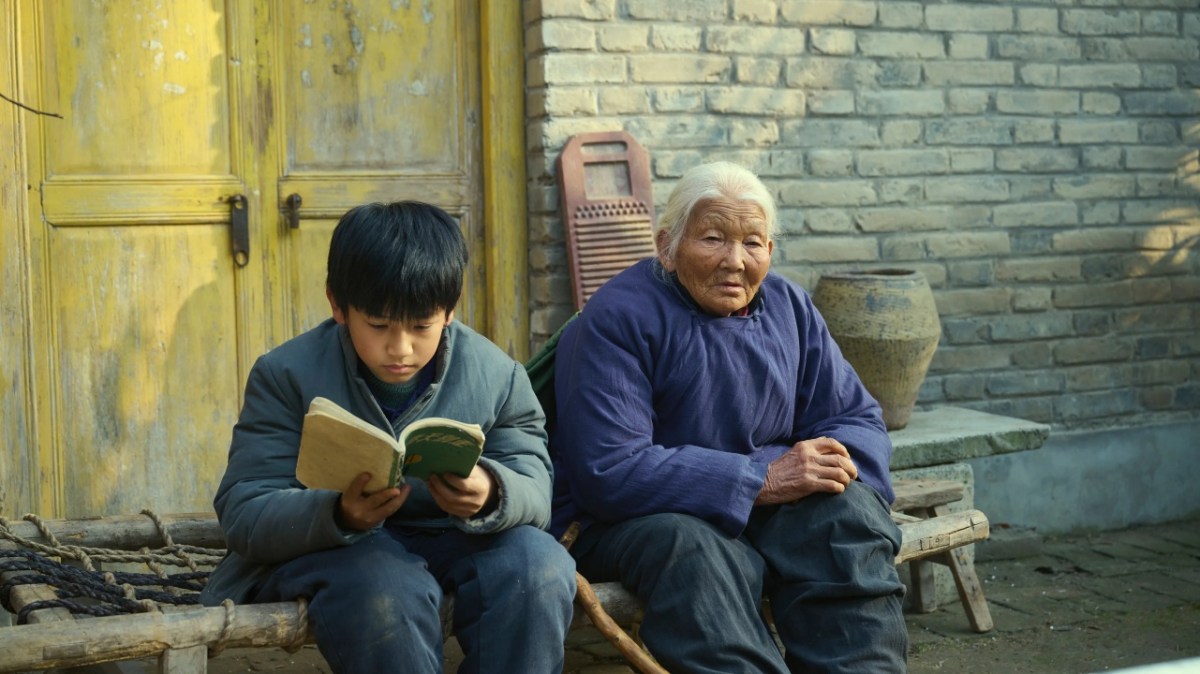
Winner of Best Director at the Berlinale, this assured work about growing up in a Chinese village in 1991 as the winds of modernity begin to change lives, reminds one of a cross between Zhang Yimou’s early rural dramas and Yang’s Yi Yi.
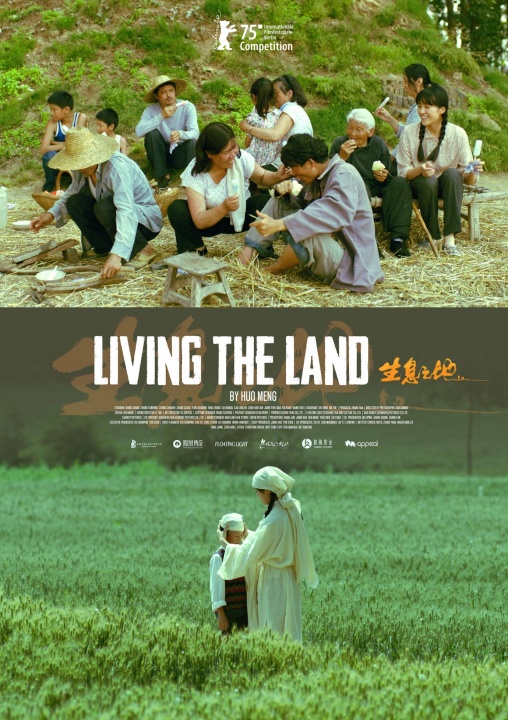
Review #3,044
Dir. Huo Meng
2025 | China | Drama | 132min | 1.85:1 | Mandarin & Chinese dialect
Not rated – likely to be PG
Cast: Wang Shang, Zhang Chuwen, Zhang Yanrong, Zhang Caixia, Cao Lingzhi
Plot: With both parents working far away, ten-year-old Chuang is being raised by extended family in his home village, where thousands of years of rural tradition collide with the socio-economic changes of China in the early 1990s.
Awards: Won Best Director & Nom. for Golden Bear (Berlinale)
International Sales: m-appeal
Accessibility Index
Subject Matter: Moderate – Tradition vs. Modernity; Rural China; Family
Narrative Style: Slightly Complex
Pace: Slightly Slow
Audience Type: Slightly Arthouse
Viewed: Screener (as part of Singapore Film Society Showcase)
Spoilers: No
This sophomore effort won Huo Meng the Best Director prize at the Berlinale earlier in the year. It is not surprising, considering the assured craft and storytelling on display, which reminds me of Zhang Yimou’s great films of the early 1990s.
You have to go back seven years to Huo’s debut film, Crossing the Border (2018), which similarly features beautiful countryside locations.
In Living the Land, we find ourselves back in 1991, somewhere in Henan province. It opens with a funeral, but somewhere along the story, there’s also a wedding. As such, Huo’s work also reminds me of Edward Yang’s Yi Yi (2000), with its weddings and funerals, even though the latter is set in modern Taipei and tackles vastly different themes.
In both films, these are extended segments that don’t just immerse you in the rituals of traditions, deeply rooted or otherwise; they are communal events, and they perhaps could even be considered as ‘reliefs’ from the relentless daily toil of work.
“Why do so many bad things happen to us?”
Interestingly, only about a decade separates the more affluent but segregated Taiwanese families in Yi Yi, and their poorer but more close-knit farmers in Living the Land, telling us more about how differing social and economic policies can impact people differently.
Speaking of which, Living the Land chronicles the director’s memories of those days growing up in his old village as he reminisces about those final months when tractors began to replace oxen, when family or relatives moved to Shenzhen to find better-paying work, when oil prospecting on these ancient lands became the future.
With all-around excellent performances that build upon the authenticity of its construction of place and time, Huo’s work impresses with its sincerity towards a narrative that, although it might not be boundary-pushing, captures intimate moments of a person’s life, in this case a child, and sets it against the sweeping winds of change.
Grade: A-
Trailer:
 Eternality Tan