





Although its overlong slow-cinema style may alienate some audiences, the filmmakers’ control of mise-en-scene feels assured and reassuring as undocumented migrants face moral questions and exploitation eking out a painful existence in the mountains of Taiwan.

Review #2,910
Dir. Chiang Wei Liang & Yin You Qiao
2024 | Taiwan, Singapore | Drama | 128min | 1.33:1 | Mandarin, Min Nan & Thai
M18 (passed clean) for sexual scene
Cast: Wanlop Rungkamjad, Lu Yi-ching, Hong Yu Hong
Plot: Oom has no papers or formal training but is good at caring for the elderly and disabled. When his situation as a caregiver in the mountains becomes too much for him, he has to choose between survival or dignity.
Awards: Won Camera d’Or – Special Mention & Nom. for SACD Prize – Directors’ Fortnight (Cannes); Won 1 Golden Horse – Best New Director & Nom. for 6 Golden Horses – Best Leading Actor, Best Supporting Actor, Best Supporting Actress, Best Cinematography, Best Art Direction, Best Sound Effects
International Sales: Alpha Violet
Accessibility Index
Subject Matter: Moderate – Undocumented Migrants; Exploitation & Morality; Caregiving
Narrative Style: Straightforward
Pace: Slow
Audience Type: General Arthouse
Viewed: The Projector Cineleisure (as part of Singapore International Film Festival)
Spoilers: No
Like Anthony Chen’s Ilo Ilo (2013), Mongrel has followed a similar awards trajectory with a Cannes Camera d’Or (albeit a Special Mention) win, followed by a Golden Horse win for Best New Director, both accolades firmly announcing another directorial talent from Singapore to watch out for.
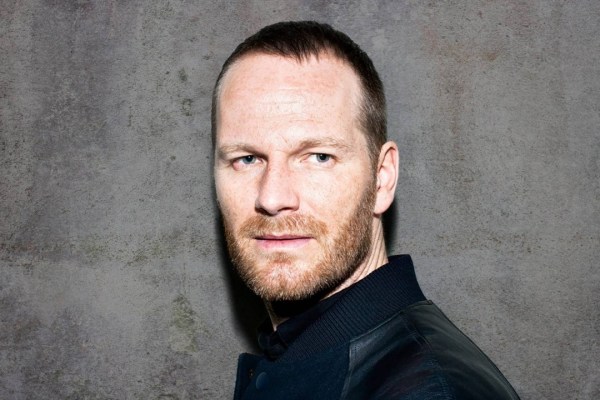
Co-directed by Chiang Wei Liang and Yin You Qiao, and shot in Taiwan where both have been based for years, Mongrel will likely receive mixed reactions from audiences.
Its slow-cinema style treatment will surely alienate the more casual viewer interested in the subject matter, and even for seasoned arthouse cinephiles, some may find it unnecessarily overlong, as I did.
Yet, there is something in Mongrel that one can’t look away from—and I daresay it is because of the filmmakers’ control of mise-en-scene, which feels assured and reassuring.
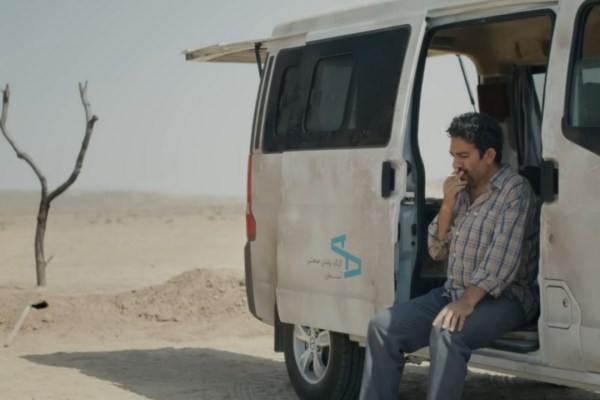
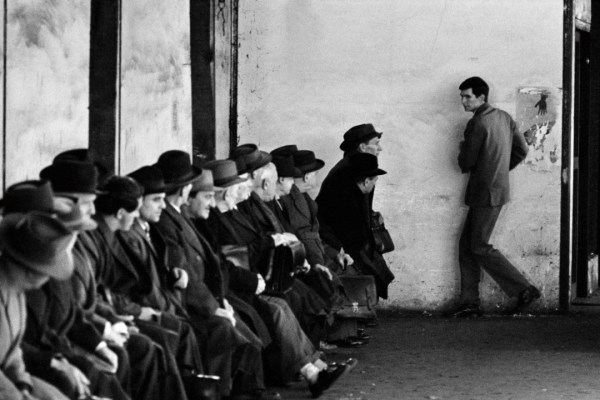
With a more restrictive 4:3 aspect ratio ‘boxing’ the characters, there is an acute sense of claustrophobia. Furthermore, the story is mostly set in the mountains, hence there is also a feeling of unpredictable danger that may befall them, amplified by the startling sounds of thunder and torrential rain as heard within the shabby homes and creaky vans that ‘box’ them in further.
“If something happens, always call Boss first.”
Oom (Wanlop Rungkumjad in a very restrained performance) is one of many undocumented migrants who eke out a painful existence in these rural parts, away from the city authorities but woefully exploited by the locals.
Oom is great at caring for the elderly and disabled though, so he is always in demand, walking a diplomatic tightrope as he serves his boss faithfully while being a point man for other migrants who complain of unpaid wages.
It is a lose-lose scenario if he takes a side, so Mongrel charts out a path of least resistance for him. Even then, the film’s ultra-bleak aesthetic and environmental conditions threaten to crumble and dissolve all that is framed within.
But Chiang and Yin’s sturdy hand holds the foundations tight, and in a few rare moments, affords Oom the grace and dignity he deserves, even though I can’t quite feel anything much for him.
Grade: B-
Trailer:
 Eternality Tan