

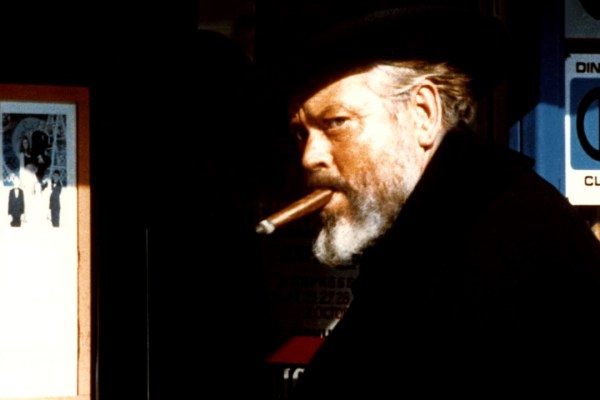
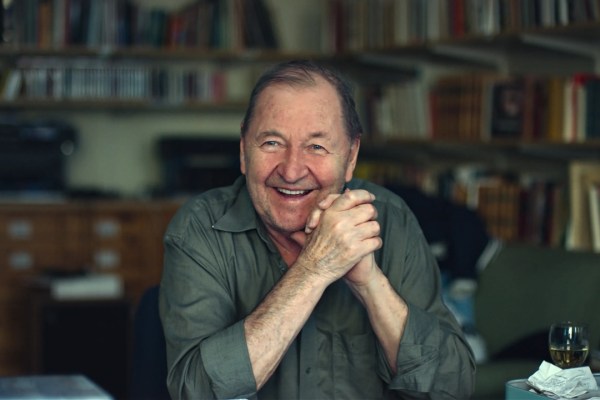

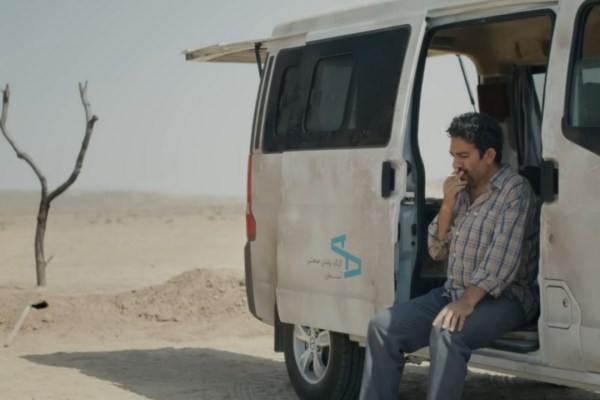
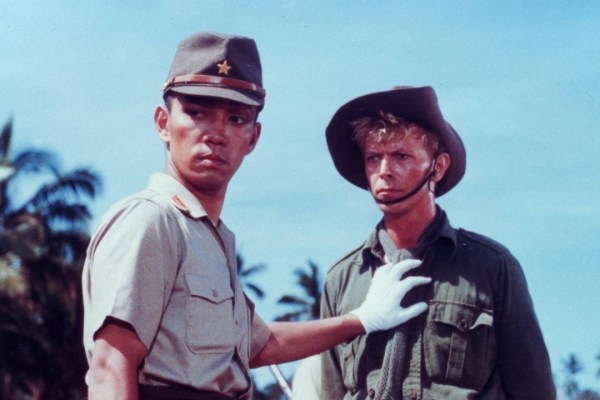


Rankin’s sophomore feature feels like Kaurismaki meets Kiarostami as his surreal, and at times perplexing tale brings us through a hybrid Canadian-Iranian space marked by quaint shophouses and bustling highways.

Review #2,896
Dir. Matthew Rankin
2024 | Canada | Drama, Comedy | 89min | 1.66:1 | Persian & French
PG (passed clean)
Cast: Rojina Esmaeili, Saba Vahedyousefi, Matthew Rankin
Plot: An absurdist triptych of seemingly unconnected stories finds a mysterious point of intersection in this tale set somewhere between Winnipeg and Tehran.
Awards: Won Directors’ Fortnight Audience Award (Cannes); Won Best Canadian Discovery Award (Toronto)
International Sales: Best Friend Forever
Accessibility Index
Subject Matter: Moderate – Intersecting Lives; Human Absurdity
Narrative Style: Slightly Complex
Pace: Slightly Slow
Audience Type: Slightly Arthouse
Viewed: Screener
Spoilers: No
This film seems to have come from an alternate universe where Iranian cinema has influenced Canadian filmmaking. The Iranians speak Persian and French as they go about their daily lives, presented as one interconnected vignette after another.
There is a sense of a ‘stream of consciousness’ in the film’s visual language as long takes, dreamlike ethnic music and deadpan dialogue fill up the screen.
Some critics have alluded to director Matthew Rankin’s sophomore feature (a follow-up to 2019’s The Twentieth Century) as bearing the artistic echoes of Wes Anderson, Roy Andersson and Aki Kaurismaki, which are obvious from the deliberate mise-en-scene, colour schemes and stilted performances.
“We are lost forever in this world.”
Yet the ghosts of Iranian cinema as mentioned earlier can be ‘felt’ in Rankin’s surreal tale, particularly the Kanoon productions like Kiarostami’s Where Is the Friend’s House? (1987).
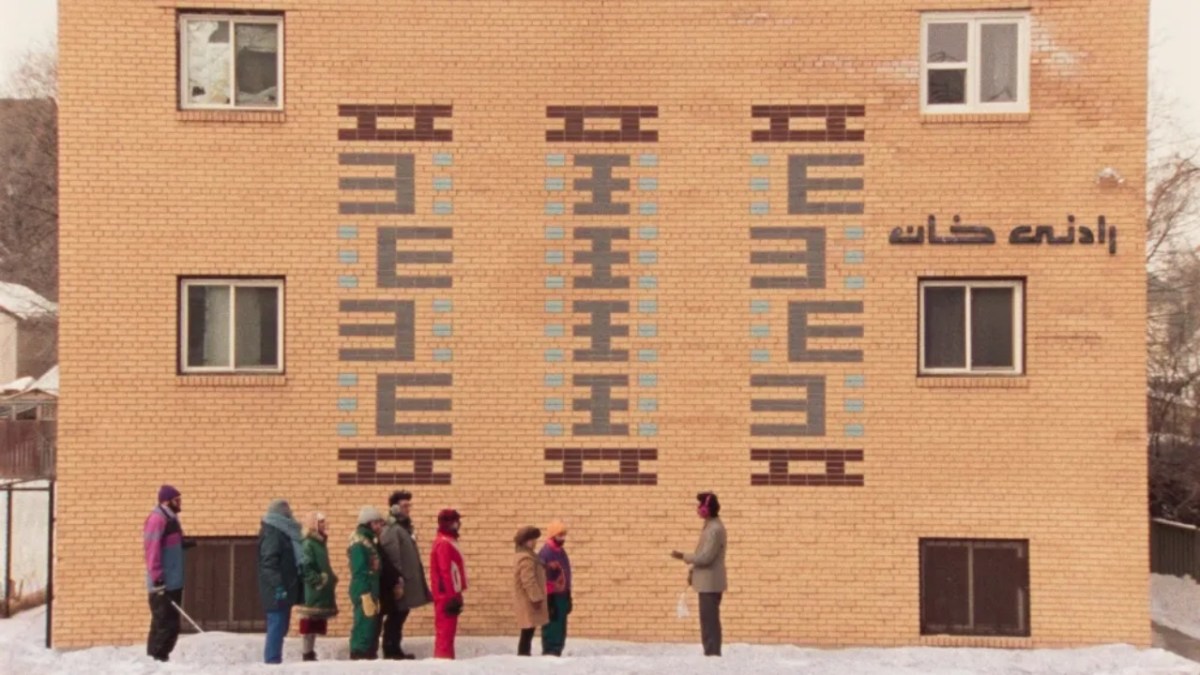
Set in wintry Winnipeg, scenes of little conclaves of quaint shophouses in the town outskirts are contrasted with the bustling highways of the city centre.
As two kids try to retrieve a wad of cash frozen in ice, which sparks the narrative, Universal Language brings us through this hybrid Canadian-Iranian space like a tour guide, not that Rankin’s ‘guided’ approach makes it any less perplexing, as after a while the film’s plotting becomes secondary to the experience of it.
Perhaps this is where Universal Language might lose some of its audiences—I’ve to admit I didn’t feel that strongly for the film, though I recognise its novelty in employing cinematic references to existing styles and modes of filmmaking in the envisioning of something original and poetic.
Grade: B
Trailer:
 Eternality Tan