








One of Morita’s most popular films sees Koji Yakusho and Hitomi Kuroki give exceptional performances as their characters turn extramarital affairs into a tempting fantasy and radical gesture.
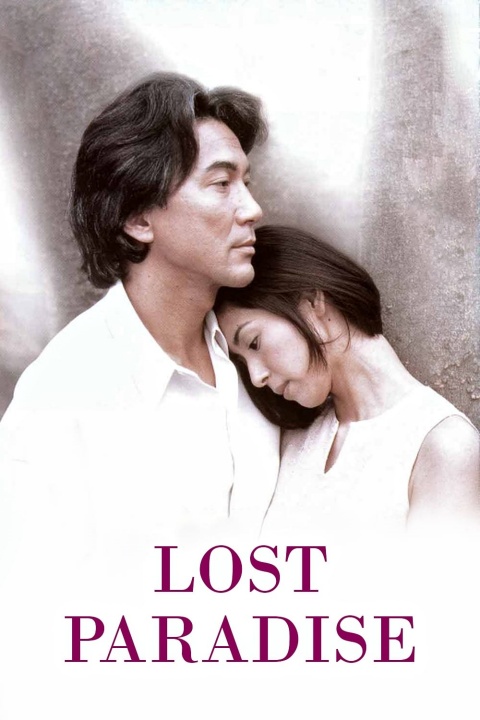
Review #2,884
Dir. Yoshimitsu Morita
1997 | Japan | Drama, Romance | 119 min | 1.85:1 | Japanese
R21 (passed clean) for sexual scenes and nudity
Cast: Koji Yakusho, Hitomi Kuroki, Akira Terao, Toshio Shiba, Tomoko Hoshino
Plot: Kuki is a veteran newspaper reporter who has been shuffled off to a book-development branch and finds escape in an illicit relationship with Rinko. Together they find the passion no longer present in their marriages.
Awards: –
Distributor: Kadokawa
Accessibility Index
Subject Matter: Moderate – Extramarital Affairs; Love & Passion
Narrative Style: Straightforward
Pace: Slightly Slow
Audience Type: Slightly Arthouse
Viewed: Oldham Theatre (as part of the Yoshimitsu Morita Retrospective)
Spoilers: No
Lost Paradise is that natural counterpointing extension to the period drama And Then (1985), also directed by Yoshimitsu Morita.
While the characters in the latter are bound by their conservative social and moral values, in Lost Paradise, we have Shoichiro (Koji Yakusho) and Rinko (Hitomi Kuroki) risking literally everything to be together in an obsession-laden romance that sees no end in sight.
Despite being married, they lead a double life together many nights in hotel rooms, engaging in all manner of erotic sex. Morita slowly reveals it all, their naked bodies writhing in ecstasy through increasingly frenetic montage, and the nakedness of their souls as they bare more than just flesh.
Separately, each seems like a normal adult. Shoichiro has a cushy job as an editor, while Rinko is a calligraphy artist-teacher, albeit with a ‘boring’ if well-to-do husband.
Together, they are a different animal, a huge middle finger to acceptable social norms as their illicit extramarital affair threatens to redefine what ‘love’ is.
“I love you. But I’m scared of what might come.”
While the pacing may be on the slower side as with a number of Morita’s pictures, what compels most are the two standout lead performances.
Yakusho and Kuroki make cheating on your partner a tempting fantasy and radical gesture. Their motivations, immoral as they may be, seem sound—why stay with someone you don’t love anymore and pretend it’s working?
While unadulterated lust and passionate love are the focal points, Lost Paradise is surprisingly thoughtful when the drama goes into more poetic, existential territory, particularly scenes featuring Shoichiro and his relationship with a colleague who unfortunately has been struck with cancer.
To live life to the very fullest, Morita’s work seems to inspire; by the same token, it also reminds us that there are consequences to bear when personal values change.
Grade: B+
Trailer:
Music:
 Eternality Tan
[…] Lost Paradise (1997) […]
LikeLike