
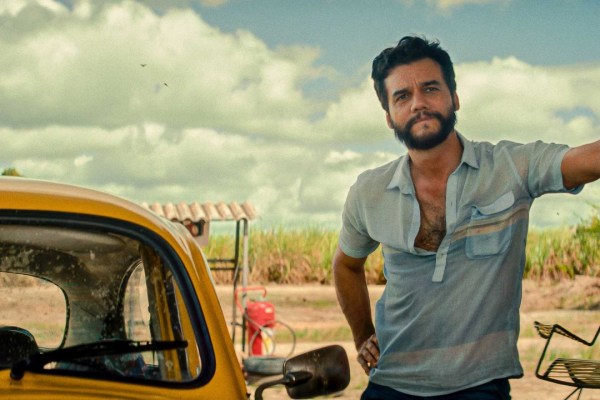
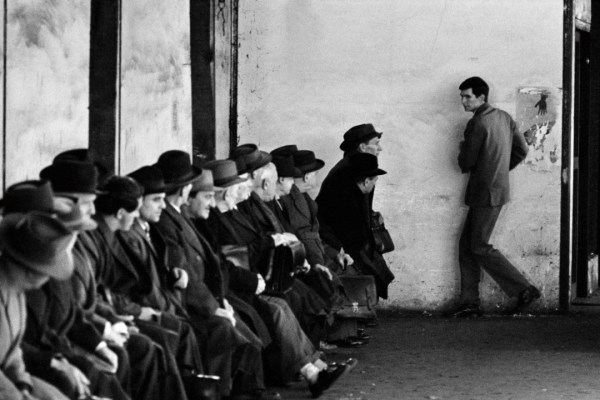
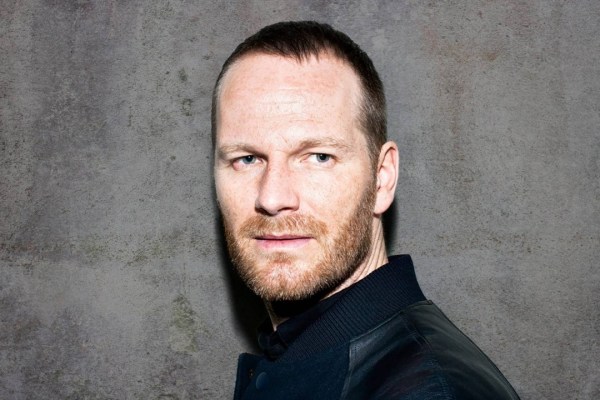
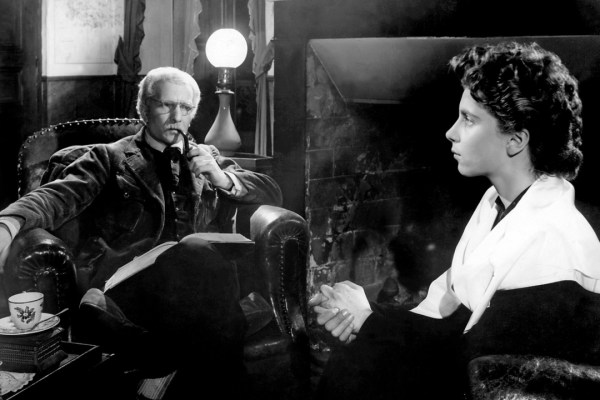

Panahi’s fourth feature since his house arrest is familiar in terms of his usual mode of cinematic address, but this time he paints a desolate picture of patriarchy rearing its ugly head amid some quiet moments of poetic beauty.
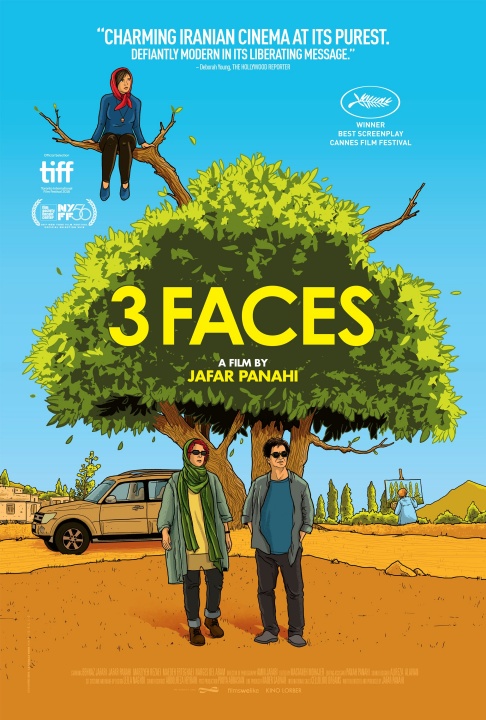
Review #1,623
Dir. Jafar Panahi
2018 | Iran | Drama | 100 min | 1.85:1 | Persian, Azerbaijani & Turkish
PG13 (passed clean) for some mature content
Cast: Behnaz Jafari, Jafar Panahi, Marziyeh Rezaei
Plot: Three actresses at different stages of their career. One from before the 1979 Islamic Revolution, one popular star of today known throughout the country, and a young girl longing to attend a drama conservatory.
Awards: Won Best Screenplay & Nom. for Palme d’Or (Cannes)
International Sales: Celluloid Dreams
Accessibility Index
Subject Matter: Moderate – Patriarchy; Iranian Society; The Arts
Narrative Style: Slightly Complex
Pace: Slightly Slow
Audience Type: General Arthouse
Viewed: National Museum of Singapore (as part of Perspectives Film Festival 2018)
First Published: 7 Oct 2018
Spoilers: No
As far as fans of Jafar Panahi are concerned, his house arrest hasn’t appeared to have affected his output or the quality of his films. Every work of his is a gift and an act of defiance.
His latest, the Best Screenplay winner at Cannes earlier this year, continues his usual mode of cinematic address that mixes fiction and documentary together, and by placing himself (yet again) in front of the camera, his exercise in self-reflexivity remains sharp and fascinating no matter the subject matter.
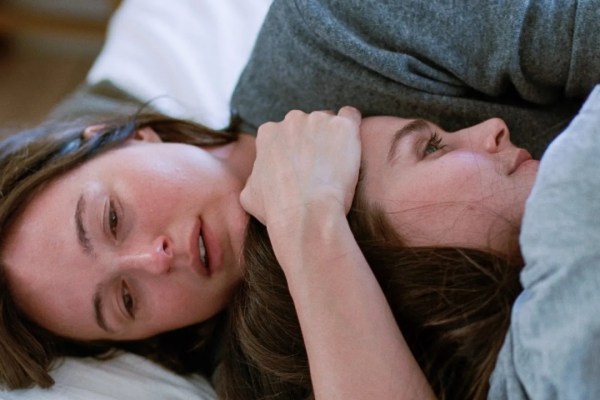
3 Faces centers on two women—one a well-known Iranian actress, Behnaz Jafari, who plays herself; and another a provincial young woman who dreams of studying at the Tehran drama conservatory, but is prevented by her family from doing so.
Beginning with a mobile video recording of a plea for help, 3 Faces then becomes a road movie of sorts with Panahi behind the driver’s wheel (reminiscent of Taxi Tehran, 2015) ferrying Jafari to a rural village to find the young woman in the video whose whereabouts are unknown.
It is impossible to ascertain which segments are staged, though 3 Faces (like Taxi Tehran) has been classified as a drama, which is a reductive way of categorisation.
It is as much a drama as it is a documentary, or vice-versa, but with Panahi at the helm, the debate over which is which and what is what is purely academic. What is essential, however, is the experience of viewing the film whilst appreciating its meta-cinematic qualities.
3 Faces, like many of Panahi’s later films, works best when you pull yourself into its artificial filmic construct if only to see truth and reality behind it.
The film is about patriarchy in Iran, distilled to its barest sense as both Panahi and Jafari encounter caustic remarks against women, in particular discrimination against women who dream of being involved in the arts.
Jafari, who’s famous, seems to get a free pass, whilst others struggle to achieve their dreams. In this village steeped in tradition and deep-rooted mindsets, anything that is an embodiment of masculinity is celebrated.
Take for example a sequence of an old man telling the story of his (only) son’s circumcision to Jafari, who’s more bemused than anything when the former asks her to deliver the foreskin to a famous actor so that his son will be blessed with a good life.
It may be absurd and mildly hilarious, but it reveals a desolate picture of archaic and regressive thinking (or at least that’s what Panahi seems to want to say about his country).
There are, however, quiet moments of poetic beauty, one of which comes right at the end in what I feel is one of the most beautiful epilogues in cinema this year.
Grade: A-
Trailer:
 Eternality Tan
That’s another great pick from Panahi’s catalog. I have a DVD of that same movie!
LikeLiked by 1 person
That’s great!
LikeLiked by 1 person
Thanks! It’s the 2nd DVD I own that’s a Panahi movie.
LikeLiked by 1 person