







A widow’s anxiety and frustration over a feisty inheritance tussle reflects entrenched patriarchal thinking in both domestic and legal arenas in this fine debut feature, which is also the first film from Jordan to compete at Cannes.

Review #2,692
Dir. Amjad Al Rasheed
2023 | Jordan | Drama | 113 min | 1.85:1 | Arabic
PG13 (passed clean) for some coarse language
Cast: Mouna Hawa, Hitham Omari, Salwa Nakkara
Plot: After the death of her husband, Nawal has to fight for what she thinks is her inheritance for her only daughter in a region where having a son is a game changer.
Awards: Won Label Europa Cinemas & Gan Foundation Support for Distribution; Nom. for Camera d’Or & Critics’ Week Grand Prize (Cannes)
International Sales: Pyramide International
Accessibility Index
Subject Matter: Moderate – Gender Inequality; Inheritance Culture; Female Agency
Narrative Style: Straightforward
Pace: Slightly Slow
Audience Type: Slightly Arthouse
Viewed: Screener (as part of Singapore Film Society Showcase)
Spoilers: No
Jordan’s submission to the 2024 Oscars for Best International Feature, Inshallah a Boy also became the first film from the country to compete at the Cannes Film Festival earlier this year.
It is a promising feature debut by Amjad Al Rasheed, who takes something familiar (well, at least to frequent purveyors of Middle Eastern cinema), for instance, themes of female subjugation and entrenched patriarchal thinking and produces a drama that works like clockwork as a widow races against time to protect herself and her daughter from a feisty inheritance tussle.
Because of the country’s prejudicial inheritance tradition, women have to relinquish the rights to their deceased husband’s assets to male relatives, unless there is a male heir.
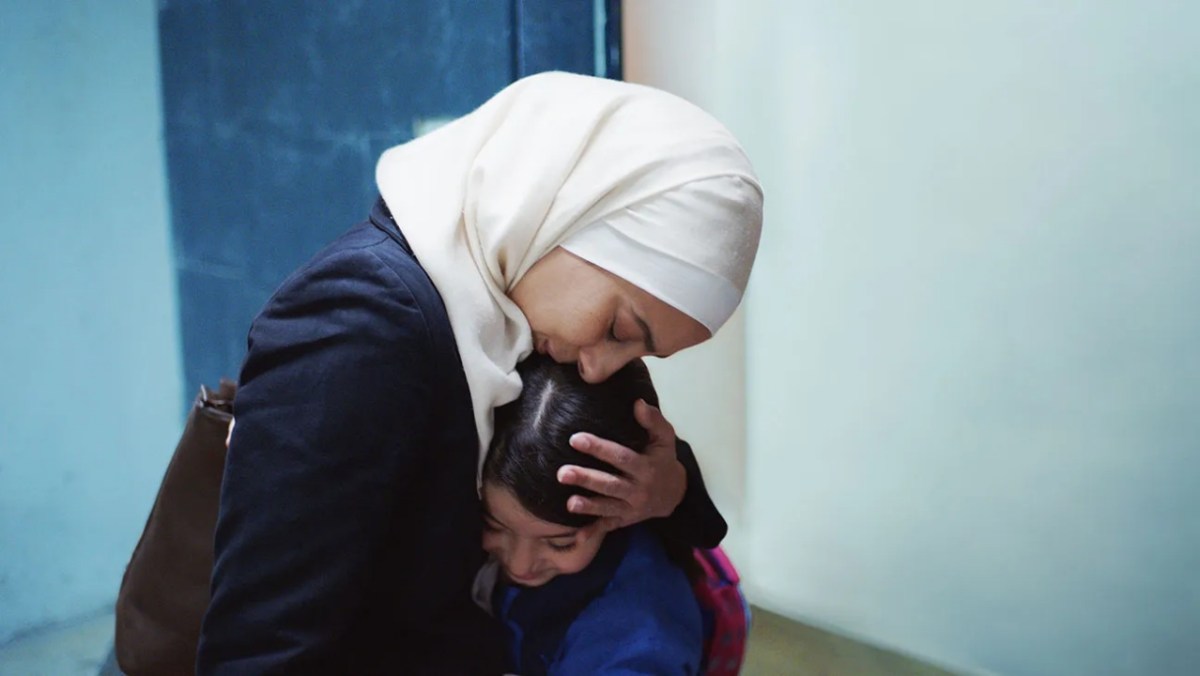
And so the uber-stressed Nawal (featuring an excellent performance by Mouna Hawa) has to contend with the prospect of losing her apartment, and more debilitatingly, her daughter, to the shady tactics of her spouse’s brother.
“We are all in the same shit.”
Straddling between both domestic and legal arenas, Al Rasheed finds a comfortable spot in which to position his film—it’s not an angry film by any measure, but it also not a decidedly fatalistic one.
The anxieties and frustrations of Nawal become more palpable as the film goes on, with themes of pregnancy and abortion trickling into the narrative.
It may not be a fiery or agitating piece of cinema about gender discrimination but Inshallah a Boy somehow feels a tad braver a work than other similar-type pictures from the region, inasmuch as it makes taboo topics more explicitly visible.
Conspicuously lacking in non-diegetic music throughout, the film only welcomes its original score (just a track, really, but an evocative one) during the end credits.
It is a great decision because when the music hits, it opens up a new sonic dimension that feels future-looking, and consequently, makes the film more powerful than most would give it credit for.
Grade: B+
Promo Clip:
 Eternality Tan