





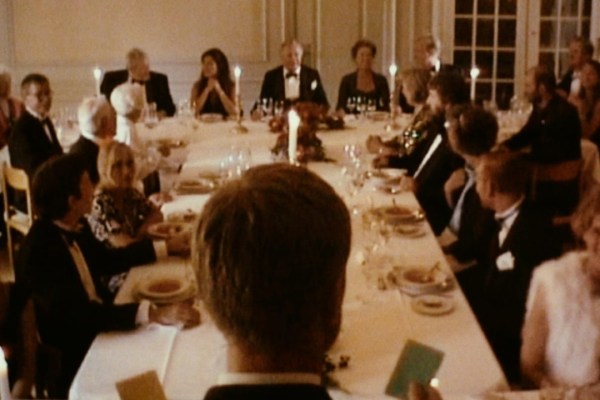
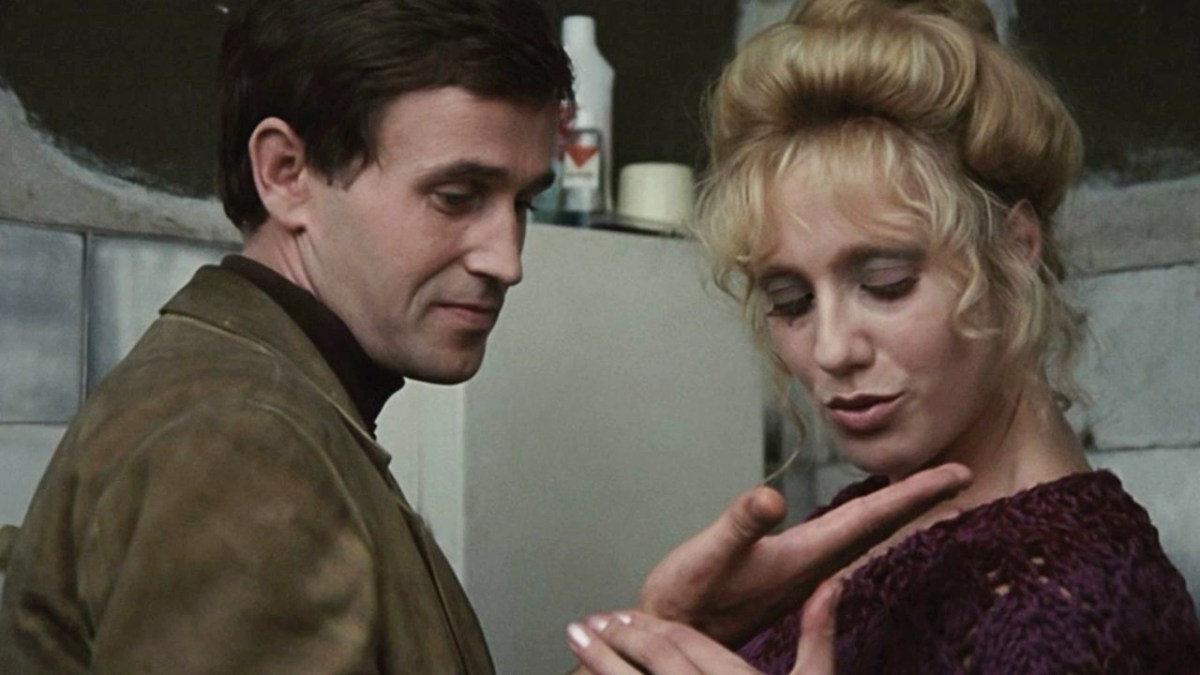
Polish master Zanussi’s early work is such a uniquely irresistible and besetting experience, about a man who returns to his ancestral home after many years only to find that his family is still as dysfunctional.
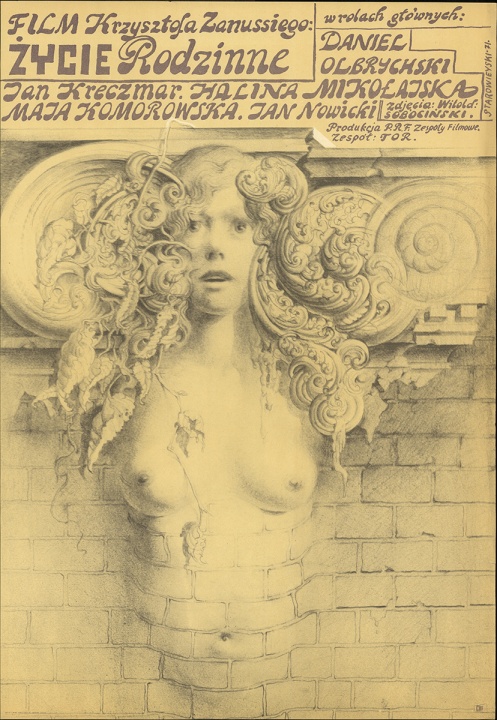
Review #2,625
Dir. Krzysztof Zanussi
1971 | Poland | Drama | 90 min | 1.66:1 | Polish
Not rated – likely to be M18 for sexual scenes and nudity
Cast: Daniel Olbrychski, Jan Kreczmar, Jan Nowicki, Halina Mikolajska, Maja Komorowska
Plot: A young industrial designer named Wit reluctantly returns to his family home to look after his gravely ill father. Upon entering the dark confines of a house he has not visited in six years, Wit once again finds himself exposed to the idiosyncratic pathologies of his father, sister, and aunt.
Awards: Nom. for Palme d’Or (Cannes)
Distributor: TVCO
Accessibility Index
Subject Matter: Moderate – Dysfunctional Family
Narrative Style: Straightforward
Pace: Slightly Slow
Audience Type: Slightly Arthouse
Viewed: MUBI
Spoilers: No
My first Zanussi and what a way to be introduced to his work. Only his second feature, Family Life, which competed in the main competition at Cannes, is such a uniquely irresistible and besetting experience. In terms of dramas about dysfunctional families, there is nothing quite like how it is presented in Family Life.
From its enigmatic prologue, where we are forced to contend with the film’s jarring and psychological sound design, to the sometimes destructive intensity of conversations among the characters, Zanussi’s film pulls us deep into the narrative without any escape route.
We take on the point-of-view of Marek (Jan Nowicki, who starred in a number of films from Hungarian director Marta Meszaros) who follows his colleague, Wit, as he returns to his ancestral home after many years away upon receiving news that his father is gravely ill.
In ways shocking yet dangerously inviting, Marek comes to realise that Wit’s family is not what he has imagined them to be.
“You fled your home like a rat.”
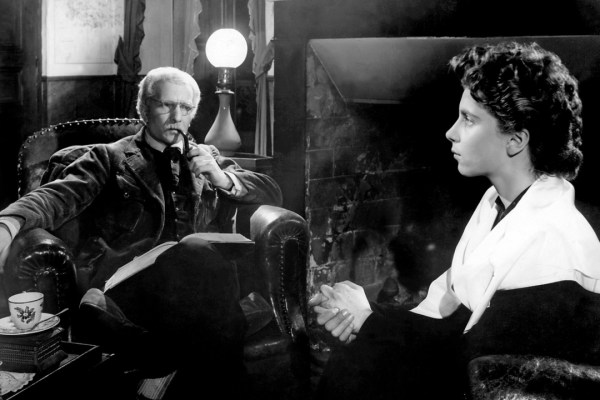
And so, he enters this ‘haunted house’ as a guest. Zanussi continues to play with dark, disorienting sounds, creating an atmosphere of unease, yet there is a strange warmth emanating from this dysfunctional family, made up of Wit’s father (who has disowned him), his disgruntled aunt and flirtatious sister.
Through the robust interactions among this quartet, Zanussi’s work can be read at a deeper, national level. Wit, young and resourceful, charts a way forward for Communist Poland, through enterprise and business opportunities; his father, old and miserable, and wholly dependent on the finite resources of the past can only wither and die.
This is a horror story about being caught like deer in headlights in two different minds and in two different worlds.
Grade: A-
 Eternality Tan
[…] my second Krzysztof Zanussi film after Family Life (1971), The Constant Factor is one of the more highly-awarded pictures of his career, winning the […]
LikeLike